
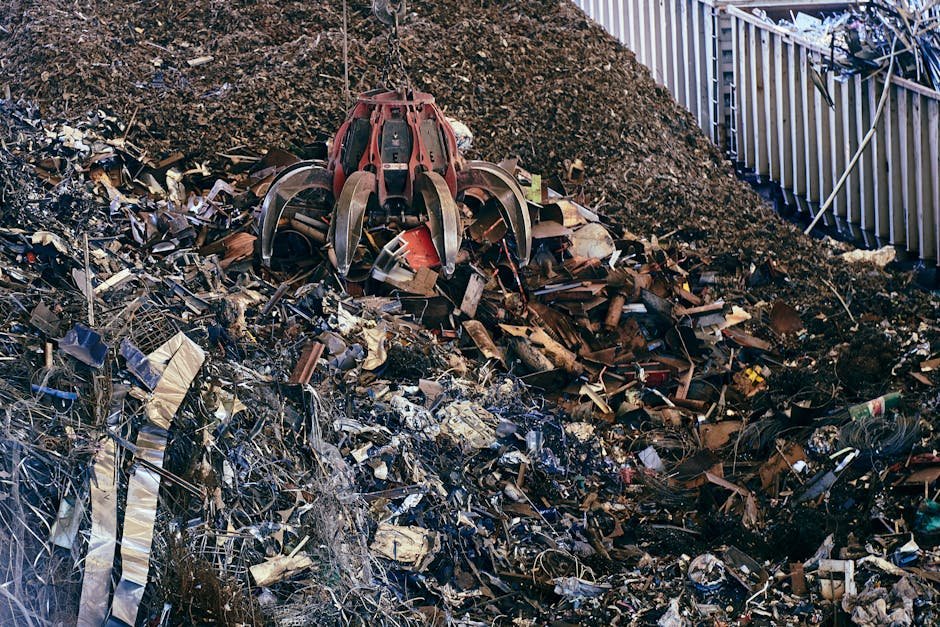

When you are ready to turn unwanted metal into cash, the first step is to locate a reputable scrap buyer who understands the nuances of the Australian market and can offer fair pricing for your material.
What Is a Scrap Buyer and Why It Matters
A scrap buyer is a specialised metal buyer that purchases ferrous and non‑ferrous metal waste from households, construction sites, manufacturers, and demolition projects. These buyers act as the critical link between raw waste and the recycling industry, ensuring that valuable resources are recovered rather than sent to landfill. In Australia, the scrap trade is regulated by state‑level environmental agencies, which require buyers to hold licences and adhere to strict reporting standards. This regulatory framework protects both the environment and the seller by promoting transparency and fair market practices.
Choosing a trusted dealer means you benefit from accurate weight measurements, transparent pricing, and compliance with environmental legislation. A reputable scrap buyer will also provide documentation such as a receipt and a Certificate of Recycling, which can be useful for tax deductions or corporate sustainability reporting.
How to Find Trusted Scrap Buyers in Australia
Finding a reliable scrap buyer starts with research. The phrase where to find a trustworthy partner often leads to online directories, industry forums, and local business listings. Look for companies that display clear contact information, a physical address, and evidence of licensing. Membership in organisations such as the Australian Scrap Metal Association (ASMA) is a strong indicator of credibility.
One practical method is to search for “metal scrap buyer near me“. This query surfaces local businesses that have been indexed by search engines and often includes user reviews. When evaluating options, consider the following criteria:
- Licensing and compliance: Verify the buyer’s licence number with the state environmental department.
- Pricing transparency: Reputable buyers publish daily market rates for common grades such as #1 steel, copper, and aluminium.
- Service range: Some buyers offer on‑site collection, while others require you to deliver to a yard.
- Customer support: Responsive communication indicates a professional operation.
For a deeper understanding of the industry, read our article What Is Scrap Trade, which outlines the ecosystem of buyers, processors, and end‑users.
Understanding Scrap Metal Grades and Pricing
Scrap metal is classified into grades based on composition, purity, and condition. The most common grades in Australia include:
- #1 Ferrous (Clean Steel): Untreated steel without paint or contaminants.
- #2 Ferrous (Dirty Steel): Steel with paint, rust, or other non‑metallic residues.
- Copper: Includes bare bright copper, copper wire, and copper alloy.
- Aluminium: From beverage cans to extrusions.
- Stainless Steel: High‑grade alloy with significant scrap value.
Pricing is driven by global commodity markets, exchange rates, and local demand. A trusted scrap buyer will reference the London Metal Exchange (LME) or the Australian Futures Exchange (AFX) to set daily rates. For example, as of March 2026, the price for clean #1 steel hovers around $120 per tonne, while copper can exceed $9,000 per tonne depending on purity.
When you purchase scrap or sell your own, ask the buyer for a written quote that details the grade, weight, and per‑tonne rate. This prevents misunderstandings and ensures you receive the market‑based price.
The Scrap Buying Process: From Quote to Payment
The typical workflow with a professional scrap buyer follows these steps:
- Initial Contact: You provide details about the type, quantity, and condition of your metal.
- Quote Generation: The buyer calculates a provisional price based on current market rates and the grade you supplied.
- Weigh‑in and Inspection: At the collection point or yard, the material is weighed on calibrated scales and inspected for contaminants.
- Final Offer: A final price is confirmed, often within minutes of weighing.
- Payment: Most Australian buyers pay via bank transfer, EFTPOS, or cash on the spot. Some also offer instant online payment platforms.
- Documentation: You receive a receipt and, if requested, a Certificate of Recycling.
Efficient buyers streamline this process with digital tools. For instance, many use mobile apps that allow you to upload photos of your load, receive instant quotes, and schedule pickups. This reduces downtime and maximises profitability.
Environmental Benefits of Recycling with a Scrap Buyer
Recycling metal conserves natural resources, reduces greenhouse‑gas emissions, and lessens the demand for virgin ore extraction. According to the Australian Department of Industry, recycling one tonne of steel saves approximately 1.5 tonnes of iron ore and cuts CO₂ emissions by 1.8 tonnes.
When you work with a licensed scrap buyer, you ensure that the material follows a certified recycling pathway. The buyer typically transports the scrap to a licensed processor, where it undergoes shredding, separation, and melting. This closed‑loop system supports the circular economy and aligns with corporate sustainability goals.
Many Australian companies report their recycled content to meet ESG (Environmental, Social, Governance) standards. By providing a Certificate of Recycling, a reputable scrap buyer helps you demonstrate compliance and enhances your brand’s green credentials.
Practical Tips for Selling Scrap Safely and Profitably
To maximise returns and minimise risk, follow these proven strategies:
- Separate Grades: Keep ferrous and non‑ferrous metals separate. Mixed loads often attract lower rates.
- Remove Contaminants: Strip paint, plastic, and insulation where possible. Clean metal commands higher prices.
- Accurate Weighing: Use a calibrated scale or ask the buyer to weigh the load on their own equipment.
- Document Everything: Keep receipts, photos, and the Certificate of Recycling for future reference.
- Negotiate Volume Discounts: Regular sellers can often secure better rates by committing to monthly deliveries.
- Stay Informed: Monitor commodity price trends via reputable sources like the LME or industry newsletters.
For a step‑by‑step guide on how to Sell Scrap, refer to our dedicated page that outlines preparation, logistics, and payment options.
Common Mistakes to Avoid When Dealing with Metal Buyers
Even experienced sellers can fall into pitfalls. Here are the most frequent errors and how to sidestep them:
- Accepting Unverified Quotes: Always confirm the buyer’s licence and compare multiple offers before committing.
- Mixing Grades: Combining clean steel with painted or rusty pieces reduces the overall price.
- Ignoring Transportation Costs: Factor in haulage fees when calculating net profit.
- Failing to Check Scale Calibration: An inaccurate scale can cost you money; request a calibration certificate.
- Overlooking Environmental Obligations: Ensure the buyer follows proper disposal of hazardous residues.
By staying vigilant, you protect your bottom line and support responsible recycling practices.
Additional Resources and Industry Links
For a broader view of the scrap ecosystem, explore our comprehensive hub Scrap. This page aggregates news, market data, and regulatory updates relevant to Australian metal traders.
To learn more about the overall trade environment, visit Scrap Trade, the premier platform connecting sellers with licensed buyers across the nation.
For an industry‑wide perspective and advocacy resources, check out the Australian Scrap Trade Association, which offers policy briefs, training, and networking events for professionals.
By leveraging these tools, you can confidently navigate the market, secure the best rates, and contribute to a greener future.
Related: scrap metal buyer
Frequently Asked Questions
What factors determine the price I receive from a scrap buyer?
Pricing depends on metal grade, purity, weight, current commodity market rates, and any contaminants. Trusted buyers also consider location, transportation costs, and volume discounts.
Do I need a licence to sell scrap metal in Australia?
Individual sellers generally do not need a licence, but the buyer must hold a valid scrap metal licence and comply with state regulations. Always verify the buyer’s credentials.
How can I ensure I’m dealing with a reputable scrap buyer?
Check for licensing, industry association membership, transparent pricing, and positive customer reviews. Request a written quote and a Certificate of Recycling after the transaction.
What environmental benefits come from recycling my scrap metal?
Recycling metal reduces the need for virgin ore extraction, saves energy, cuts greenhouse‑gas emissions, and supports the circular economy. Certified recycling also helps businesses meet ESG goals.