
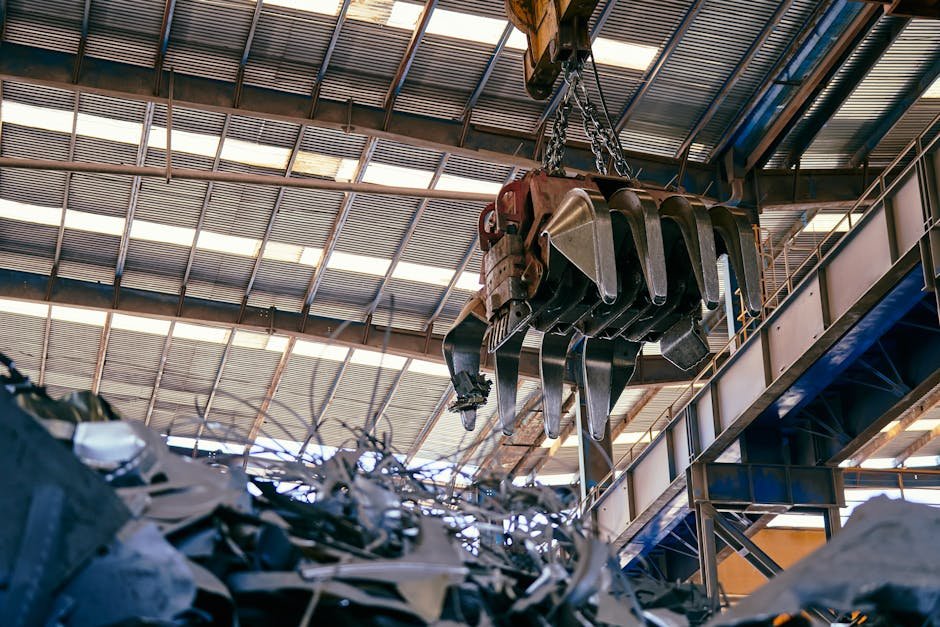

What Is a Scrap Warehouse?
A scrap warehouse serves as a central hub in the metal recycling chain. These facilities accept used metal materials from individuals, construction sites, manufacturers, and businesses. Once received, the scrap is sorted, graded, and prepared for resale. The primary goal of a scrap warehouse is to recover valuable materials that would otherwise end up in landfills, contributing to sustainable resource management.
In Australia, scrap warehouses play a vital role in the circular economy. They handle both ferrous metals (like steel and iron) and non-ferrous metals (such as copper, aluminum, and brass). Each type is assessed for purity and value, ensuring fair pricing for sellers. If you’re wondering how to sell scrap, visiting a local scrap warehouse is often the first step.
How Scrap Warehouses Operate
When scrap arrives at a warehouse, it undergoes a detailed evaluation process. Workers identify the metal type, check for contamination, and assign it a grade. This grading system directly impacts the price offered to the seller. For example, clean copper wiring fetches a higher rate than mixed electrical components.
After sorting, the materials are compacted, shredded, or baled to reduce volume and prepare for transport. The processed scrap is then sold to smelters or industrial manufacturers who use it to produce new goods. This reduces the need for virgin ore mining and lowers energy consumption. To learn more about the industry, visit Scrap Trade Australia for national insights and market trends.
Many facilities now offer digital platforms to streamline transactions. You can sell scrap online, schedule pickups, or find drop-off locations. Some even provide instant quotes based on current market rates for different grades of metal.
Benefits of Using a Scrap Warehouse
Utilizing a scrap warehouse supports environmental sustainability by reducing landfill waste and lowering greenhouse gas emissions. Recycling metal uses up to 95% less energy than producing it from raw materials. It also conserves natural resources and reduces pollution associated with mining.
Beyond environmental advantages, scrap warehouses offer economic benefits. They create jobs in collection, sorting, and logistics, and provide income opportunities for individuals and businesses. Whether you’re clearing out old appliances or managing industrial waste, a scrap warehouse can turn your unused materials into cash.
Locating the right facility is easy with tools like scrap dealers near me, which helps you find certified recyclers in your area. For a deeper understanding of the industry, explore What Is Scrap Trade to see how global and local markets influence pricing and demand.
By partnering with reputable scrap warehouses, you contribute to a greener future while benefiting financially. These facilities are more than storage units—they are key players in Australia’s recycling ecosystem. Learn more at Scrap Trade for resources, tips, and services designed to simplify metal recycling.
- Scrap warehouses accept both ferrous and non-ferrous metals
- Metals are sorted, graded, and processed for resale
- Recycling through a scrap warehouse saves energy and resources
- You can earn money by selling scrap directly or online
Frequently Asked Questions
What types of metal are accepted at a scrap warehouse?
Scrap warehouses accept both ferrous metals like steel and iron, as well as non-ferrous metals including copper, aluminum, and brass. Materials must be free of excessive contamination to receive top pricing.
How is scrap metal priced at a warehouse?
Pricing is based on the metal type, grade, and current market demand. Non-ferrous metals generally fetch higher prices due to their recyclability and industrial value.
Can individuals sell scrap to a warehouse?
Yes, individuals can sell scrap from home renovations, appliances, or vehicles. Many warehouses offer walk-in services and online tools to help you sell scrap easily.
What happens to scrap after it leaves the warehouse?
Once processed, scrap is shipped to smelters or manufacturers who melt it down and reuse it in new products, completing the recycling loop and reducing environmental impact.