
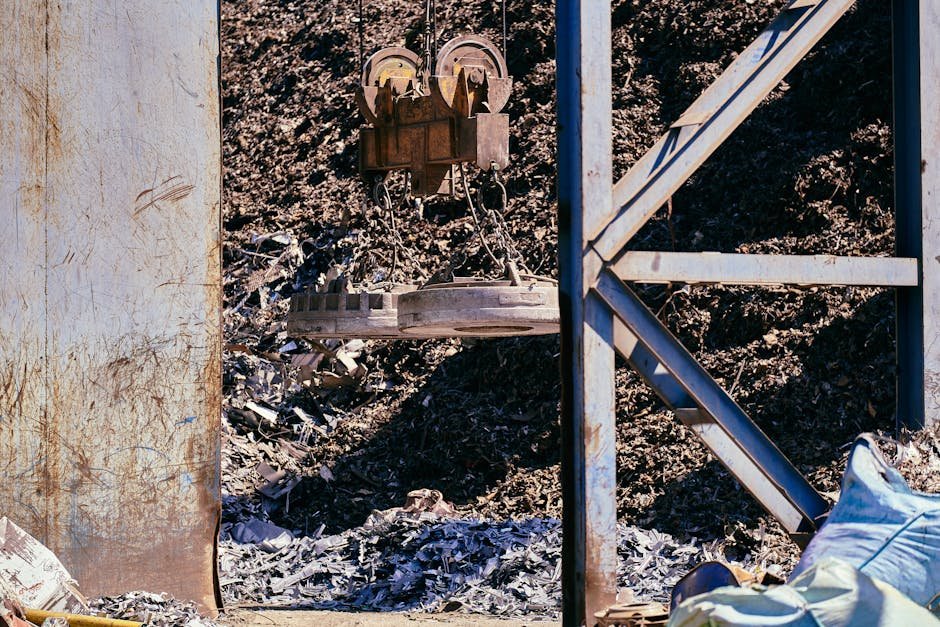

Scrap metal recycling is one of the most accessible and environmentally friendly ways Australians can contribute to a circular economy. By collecting, sorting, and repurposing metal waste, individuals and businesses alike help reduce the demand for newly mined resources, lower greenhouse gas emissions, and support local economies. Whether you’re a homeowner looking to clear out old appliances or a company seeking to streamline waste management, understanding the basics of scrap metal recycling can make a significant difference.
In Australia, the scrap metal industry has grown steadily over the past decade. Major cities such as Sydney, Melbourne, and Brisbane boast a robust network of scrap yards and recycling centers that accept everything from household appliances to industrial equipment. The process typically begins with a simple drop‑off of metal items—often at a local recycling depot—followed by careful separation of ferrous (iron and steel) and non‑ferrous (copper, aluminum, brass, and zinc) materials. Once sorted, the metals are sold to manufacturers or used in new product manufacturing, creating a closed‑loop system that benefits both the environment and the economy.
One of the most popular resources for finding reputable scrap metal dealers in Australia is https://scrap.trade. This online platform connects collectors with licensed buyers, ensuring transparent pricing and reliable transactions. By using a service like this, individuals can receive fair market value for their discarded metals while also supporting businesses that adhere to strict environmental and safety standards. The website provides detailed listings, location-based search options, and user reviews, making it easier than ever to navigate the often complex landscape of metal recycling.
Beyond the financial incentives, scrap metal recycling offers significant ecological advantages. Metals are naturally abundant and recyclable, meaning that reprocessing them consumes far less energy than producing new metal from ore. For example, recycling aluminum requires up to 95% less energy than mining raw bauxite, which translates into a dramatic reduction in carbon emissions. Additionally, diverting metal waste from landfills decreases soil contamination and reduces the environmental footprint associated with landfill management.
For businesses, implementing a scrap metal recycling program can also enhance corporate sustainability credentials. Many Australian companies are now required to meet stringent environmental reporting standards, and showcasing a robust recycling initiative can improve public perception and stakeholder confidence. Moreover, recycling metals can reduce operational costs by cutting down on waste disposal fees and, in some cases, generating revenue from the sale of recovered materials.
FAQ
- 1. What types of metal can I recycle in Australia?
- You can recycle ferrous metals like steel and iron, as well as non‑ferrous metals such as copper, aluminum, brass, and zinc.
- 2. How do I find a reputable scrap metal dealer near me?
- Use online directories like https://scrap.trade or check local business listings for licensed dealers with good reviews.
- 3. Are there any environmental regulations I should know about when recycling scrap metal?
- Yes, Australia has strict guidelines on waste management and recycling, so ensure your chosen dealer complies with all relevant environmental and safety regulations.