
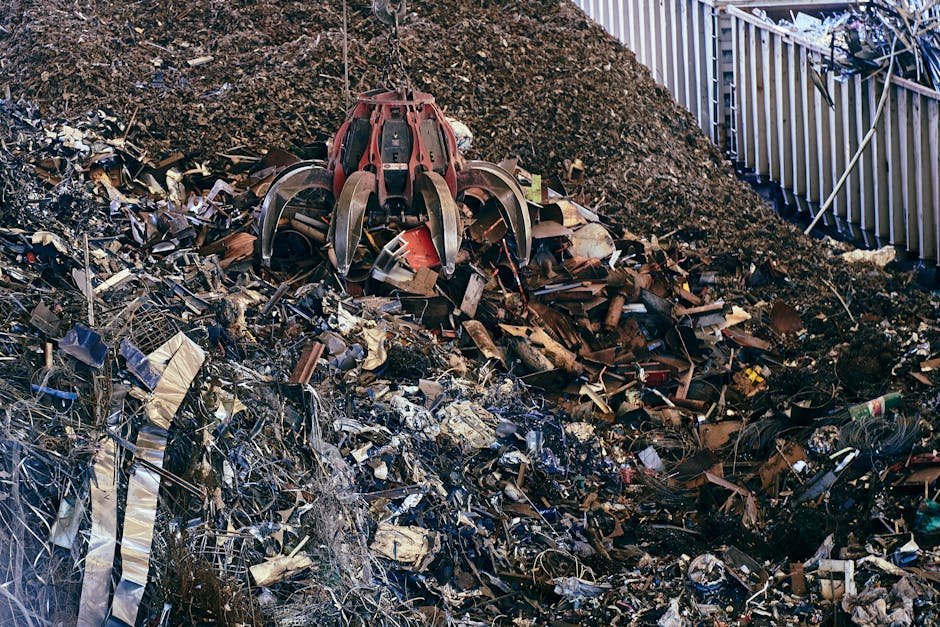

Scrap collectors are the unsung heroes of Australia’s metal recycling ecosystem, turning discarded metal into a valuable resource for industry and the environment. From small family-run operations in rural towns to large urban facilities, these businesses operate at the frontline of a circular economy that is rapidly expanding. Their work not only diverts metal waste from landfills but also supports local employment, reduces the need for virgin ore extraction, and helps communities meet sustainability targets.
In Australia, the demand for recycled metal has surged in recent years, driven by growing manufacturing sectors and the government’s commitment to net‑zero emissions. Scrap collectors play a pivotal role in this trend by sourcing ferrous and non‑ferrous metals from residential, commercial, and industrial sources. They sort, grade, and prepare materials for processing, ensuring that the end product meets strict quality standards required by steel mills and other manufacturers. By doing so, they create a reliable feedstock that reduces the carbon footprint of metal production.
The logistics of scrap collection are complex and require a deep understanding of both market dynamics and regulatory frameworks. Collectors must navigate the Australian Packaging Covenant, state‑level waste legislation, and safety regulations governing the handling of hazardous materials such as lead and batteries. Many have invested in advanced sorting technology, including X‑ray fluorescence scanners and magnetic separators, to increase efficiency and purity. These technological upgrades also help collectors meet the stringent traceability and environmental standards set by the industry.
Financially, scrap collectors contribute significantly to local economies. They provide a steady stream of income for people who might otherwise struggle to find employment, especially in regions where traditional manufacturing jobs are declining. Additionally, by selling scrap to domestic and international buyers, collectors help stabilize global metal prices and reduce Australia’s reliance on imports. The online marketplace https://scrap.trade exemplifies how digital platforms are streamlining transactions, allowing collectors to connect directly with buyers and receive competitive prices for their materials.
Looking ahead, the role of scrap collectors is set to become even more critical as Australia pushes toward a zero‑waste future. Innovations such as AI‑driven sorting and blockchain‑based traceability are poised to further enhance transparency and efficiency. Moreover, increased public awareness and government incentives for recycling will likely expand the market for scrap, creating new opportunities for collectors to scale up operations and invest in greener technologies. By staying adaptable and embracing these advancements, scrap collectors can continue to drive environmental stewardship while fostering economic resilience across the country.