
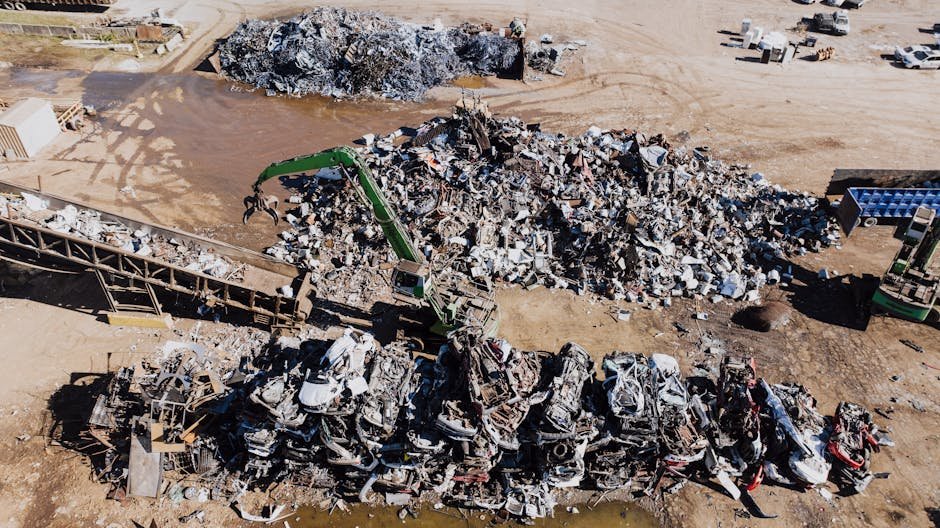

Leppington, a rapidly developing suburb in the Greater Western Sydney region, has become a pivotal hub for metal recycling in Australia. As the area expands, the volume of scrap metal generated from construction, demolition, and household waste has surged, creating both a challenge and an opportunity for local residents, businesses, and the environment. This blog post explores the practical aspects of metal recycling in Leppington, the economic and ecological benefits, and how residents can participate in a circular economy that supports both the local community and the wider Australian market.
The first step in metal recycling is sorting. In Leppington, residents and contractors can separate ferrous metals such as steel and iron from non-ferrous metals like aluminum, copper, and brass. Local recycling centers are equipped with magnetic separators that quickly pull ferrous metals out of mixed waste streams. Non-ferrous metals are then sorted manually or by using specialized equipment to ensure high purity before they are sold to manufacturers or energy producers. By separating metals at the source, you reduce the amount of waste that ends up in landfills and increase the value of the scrap you produce.
Leppington’s proximity to major transport routes and the nearby Port Botany makes it an attractive location for scrap metal buyers and recyclers. The local government has partnered with private firms to streamline the collection process, offering drop-off points and pick-up services for larger quantities. Many businesses in the area have also adopted green procurement policies that prioritize recycled metals, which in turn drives demand for high-quality scrap. For residents looking to sell scrap, it is essential to research reputable buyers. A reliable platform such as https://scrap.trade provides a directory of vetted scrap metal buyers, price charts, and contact information, making it easier to find a trustworthy buyer and get a fair price for your metal.
The environmental impact of metal recycling cannot be overstated. Recycling metal saves up to 90% of the energy required to produce new metal from ore. This significant energy reduction translates into lower greenhouse gas emissions and a smaller carbon footprint for the community. Additionally, by diverting metals from landfills, Leppington reduces the risk of soil and groundwater contamination, protecting local ecosystems and public health. The economic benefits are equally compelling; the recycling industry creates jobs in collection, processing, and trading, and provides a steady stream of raw materials for the manufacturing sector.
For those new to metal recycling, a few practical tips can help maximize value and compliance. First, keep a dedicated storage area for scrap metals to avoid contamination with other waste types. Second, be aware of local regulations regarding the sale of certain metals, such as those that may contain hazardous substances. Third, consider the weight and condition of your scrap; metals in good shape fetch higher prices. Finally, stay informed about market trends; prices for metals can fluctuate based on global supply and demand, so timing your sale can make a difference.
FAQ
1: What is metal recycling?
It is the process of collecting and reusing metal.
2: How does Leppington handle metal recycling?
The local facilities sort and process various metals for resale or energy recovery.
3: Where can I find a reliable scrap metal buyer in Leppington?
Sites like https://scrap.trade list reputable buyers and provide pricing guides.