
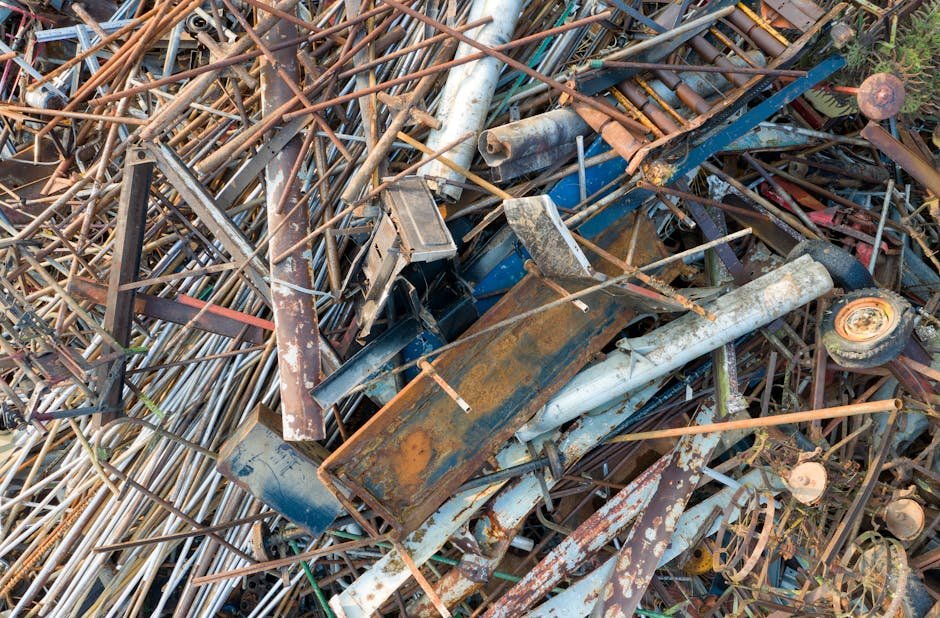

Scrap metal prices have become a critical factor for businesses and hobbyists alike in Australia. The market is influenced by a mix of domestic demand, global commodity trends, and the efficiency of the local recycling infrastructure. Whether you are a small workshop owner or a large industrial facility, staying informed about price fluctuations can help you make smarter purchasing and selling decisions.
One of the key drivers of scrap metal prices is the global supply chain. Metal prices in Australia often mirror international movements, especially those in the United States and China where large volumes of scrap are imported and exported. When global demand spikes, Australian scrap prices typically rise as importers compete for limited supplies. Conversely, if there is an oversupply abroad, prices can drop, prompting local recyclers to offer discounts to attract buyers.
Domestic factors also play a significant role. The Australian government’s policies on waste management and recycling can influence how much scrap is processed each year. For example, recent incentives for renewable energy projects have increased demand for copper and aluminum, pushing prices higher. Additionally, fluctuations in the Australian dollar against the US dollar affect import and export margins, which in turn impact the local scrap market.
Technological advances in sorting and processing equipment have made it easier to separate metals with higher purity, allowing recyclers to command better prices for cleaner streams. Many Australian scrap yards now use X-ray fluorescence (XRF) scanners to identify metal composition on the spot, reducing the risk of contamination. This precision not only improves profitability but also attracts higher quality scrap from manufacturers and builders.
If you’re looking to keep a close eye on current rates, a reliable resource is https://scrap.trade. The site provides real-time pricing data, market trends, and a directory of accredited scrap dealers across the country. By comparing listings from multiple yards, you can negotiate better deals and avoid being overcharged for low-grade scrap.
Finally, it’s important to remember that scrap metal prices are not static; they can shift daily based on market sentiment, weather-related disruptions, and even political events. Staying connected with local industry networks, attending trade shows, and subscribing to newsletters from major recyclers will help you anticipate changes before they happen.
FAQ
What factors cause scrap metal prices to fluctuate in Australia?
Scrap metal prices fluctuate due to global supply-demand dynamics, domestic policy changes, currency exchange rates, and advances in sorting technology.
How can I find the best price for selling scrap metal?
Compare real-time listings and negotiate with multiple accredited dealers, using resources such as https://scrap.trade to benchmark current rates.
Are there any regulations I need to follow when scrapping metal in Australia?
Yes, Australian recyclers must comply with environmental protection laws, hazardous waste handling standards, and local licensing requirements.