
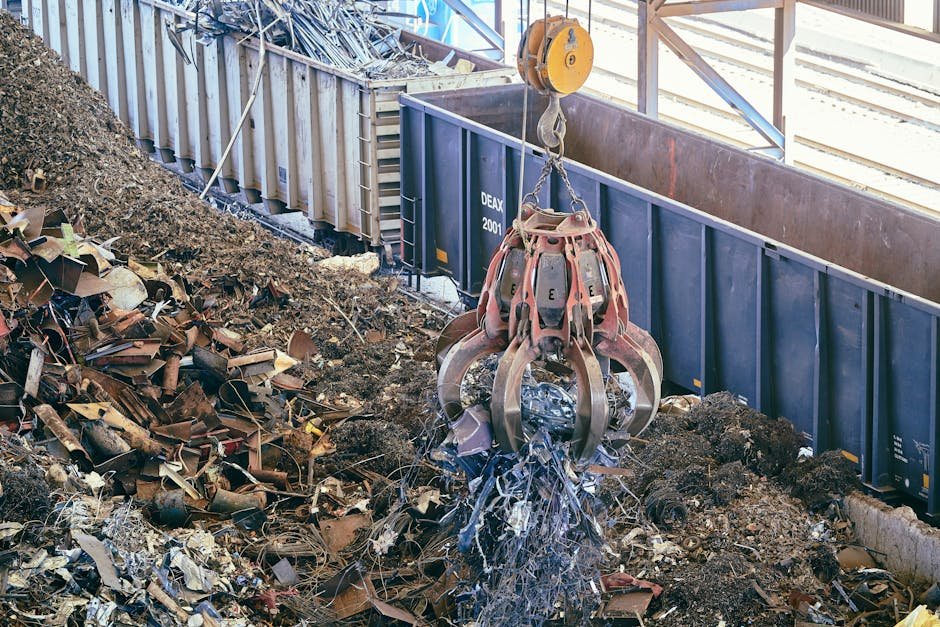

In Australia, the demand for recycled scrap metal is growing steadily as more companies and households look to dispose of unwanted metal responsibly. Whether you’re a homeowner with a pile of old appliances, a contractor with surplus material, or a small business that needs to clear out inventory, locating a local scrap collector can save time and money while supporting environmental sustainability. The first step is to identify reputable collectors in your region who offer convenient drop‑off or pick‑up services, competitive rates, and reliable payment schedules.
Local scrap collectors often operate out of small yards or dedicated facilities, but many larger companies now maintain mobile units that can travel to residential or commercial sites. When searching online, include terms such as “scrap metal recycling near me” or “scrap collector in [city]” to filter results by proximity. Many collectors provide free estimates and will travel to your location to assess the quantity and type of metal, which helps avoid overpayment or misunderstandings about what is accepted.
Australia’s recycling regulations require that scrap metal be processed in licensed facilities, so it’s essential to verify that a collector holds the necessary permits. A quick check of the Australian Government’s Department of Agriculture, Water and the Environment website can confirm compliance. Additionally, ask for references or read online reviews to ensure the collector has a track record of fair dealings and prompt payouts. A reputable scrap collector will also educate you on sorting metal types, such as ferrous versus non‑ferrous, to maximize your return.
Many collectors now offer online platforms where you can schedule pickups, track the status of your scrap, and even receive instant quotes. One such resource is https://scrap.trade, which provides a user‑friendly interface to connect with local recyclers and compare offers. By leveraging these digital tools, you can streamline the process, reduce travel costs, and make informed decisions about which collector offers the best value for your specific metal inventory.
Once you’ve selected a collector, it’s wise to prepare your scrap by separating it into clear piles: steel, aluminum, copper, and other metals. This not only speeds up the weighing process but also ensures you receive the correct price for each type. After the collector arrives, they will typically weigh the metal on a calibrated scale and provide an immediate payment based on current market rates. Keep the receipt and any documentation for tax or accounting purposes, especially if you’re a business that needs to report recycling activities.
FAQ
How do I find a scrap collector in my area?
Search online using “scrap metal recycling near me” or visit sites like https://scrap.trade to locate licensed collectors nearby.
Are there any fees for picking up scrap metal?
Most collectors charge a small fee for pickup, but many include it in the overall price; always confirm the fee structure beforehand.
Can I bring any type of metal to a scrap collector?
Most collectors accept common ferrous and non‑ferrous metals, but it’s best to check with them first for any restrictions on hazardous or mixed materials.