
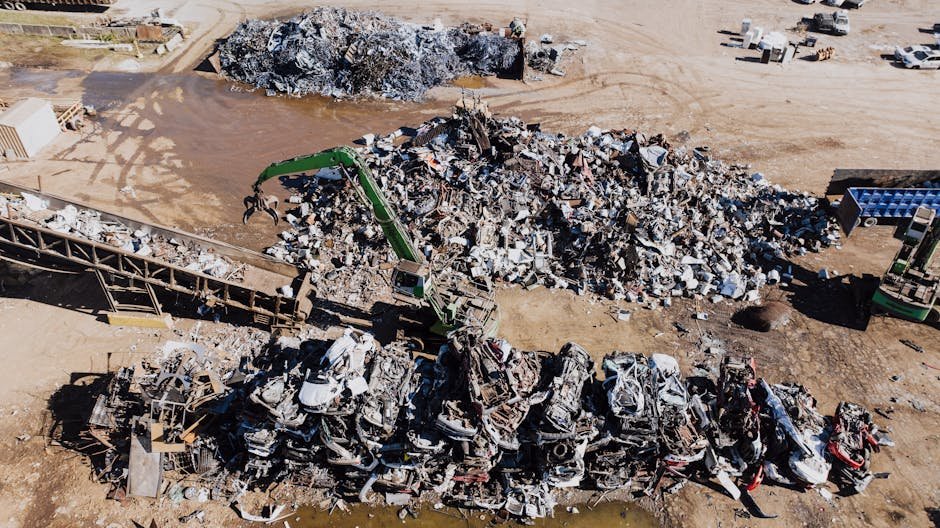

The business scrap metal pick up service is a critical component of Australia’s circular economy, enabling companies to convert waste metal into valuable resources. Whether you operate a manufacturing plant, construction site, or IT infrastructure, understanding how scrap metal grades, recycling processes, and environmental benefits work is essential for maximizing profitability and sustainability. This guide provides an in-depth breakdown of everything you need to know.
Grades of Scrap Metal: What Businesses Need to Know
Scrap metal is categorized into grades based on its composition, purity, and reusability. The two primary classifications are ferrous (iron-containing) and non-ferrous (non-iron) metals. Ferrous metals, such as steel and iron, are magnetic and commonly used in construction and automotive industries. Non-ferrous metals, including copper, aluminum, brass, and stainless steel, are non-magnetic and valued for their conductivity and corrosion resistance.
For businesses, identifying the correct grade is crucial for maximizing returns. For example:
- Copper (e.g., wiring, plumbing): High value due to its conductivity and demand in electronics.
- Aluminum (e.g., cans, machinery parts): Lightweight and widely recycled for automotive and packaging industries.
- Steel (e.g., structural beams, vehicles): Bulkier but essential for construction and manufacturing.
- Brass (e.g., valves, fittings): Often found in plumbing and HVAC systems, with high reprocessing value.
Specialized grades, such as telecom scrap metal, require careful sorting due to their unique composition and high market demand. Businesses should work with certified recyclers to ensure proper grading and pricing.
How the Recycling Process Works for Business Scrap Metal
The recycling process for business scrap metal involves several stages, from collection to reintegration into the supply chain:
1. Collection and Sorting
A commercial scrap metal pick up service (e.g., Scrap Trade’s commercial service) typically schedules pickups for bulk quantities. On-site sorting is critical to separate ferrous and non-ferrous metals, as contamination can reduce the overall value of the load. Businesses with large volumes may benefit from on-site sorting equipment or partnerships with recyclers like Scrap Trade’s Queensland-wide service.
2. Processing and Shredding
Once collected, scrap metal is transported to processing facilities. Ferrous metals are often shredded into smaller pieces for easier melting, while non-ferrous metals may undergo further purification to remove coatings or alloys. Advanced facilities use eddy current separators and magnetic systems to automate sorting.
3. Melting and Reuse
Recycled metals are melted in high-temperature furnaces and cast into ingots or billets. These materials are then sold to manufacturers for use in new products, reducing the need for raw ore extraction. For example, 1 ton of recycled steel saves 2,500 pounds of iron ore and 1,400 pounds of coal compared to virgin production.
Environmental Benefits of Business Scrap Metal Recycling
Recycling scrap metal significantly reduces environmental impact compared to mining and refining raw materials. Key benefits include:
- Energy Savings: Recycling aluminum uses 95% less energy than producing new aluminum from bauxite ore.
- Carbon Emission Reduction: The global scrap metal industry prevents over 500 million tons of CO2 emissions annually.
- Resource Conservation: Recycling 1 ton of copper saves 70% of the energy required to mine and process the same amount.
- Landfill Diversion: Proper recycling prevents hazardous metals like lead and mercury from leaching into soil and water.
Australian businesses adopting business scrap metal pick up service contribute to national sustainability goals. For instance, the Scrap Trade platform partners with certified recyclers to ensure compliance with environmental regulations and carbon-neutral practices.
Choosing the Right Scrap Metal Pick Up Service
To maximize efficiency and profitability, businesses should prioritize the following when selecting a business scrap metal pick up service:
- Reliability: Choose a provider with consistent pick-up schedules and transparent pricing (e.g., Scrap Trade’s local service).
- Certifications: Verify that the recycler holds ISO 14001 (environmental management) or RIOS (Recycling Industry Operating Standard) certifications.
- Pricing Transparency: Reputable services provide real-time price tracking for different metal grades.
- Convenience: Look for services offering scrap metal for pick up at competitive rates, including bulk discounts for large volumes.
Practical Tips for Businesses to Optimize Scrap Metal Value
Maximize returns by following these actionable strategies:
- Organize Materials: Segregate metals into ferrous and non-ferrous categories before a business scrap metal pick up service arrives.
- Track Market Trends: Metal prices fluctuate based on global demand. Use platforms like ScrapTrade.com.au to monitor real-time pricing.
- Remove Contaminants: Clean metals of dirt, oil, or non-metallic parts to avoid price deductions.
- Document Sales: Maintain records for tax purposes and to track recurring revenue streams.
Case Study: How a Manufacturing Plant Boosted Profitability
A Brisbane-based manufacturing company generating 20+ tons of scrap metal monthly partnered with a business scrap metal pick up service to streamline waste management. By improving sorting practices and negotiating long-term contracts with recyclers, the business reduced disposal costs by 30% and generated $150,000 annually in scrap revenue. This example highlights how strategic partnerships and process optimization can turn waste into a profit center.
Conclusion: The Future of Business Scrap Metal Recycling
The business scrap metal pick up service is more than a waste management solution—it’s a cornerstone of sustainable industrial operations. By understanding metal grades, recycling workflows, and environmental benefits, Australian businesses can reduce costs, enhance profitability, and contribute to a greener future. Whether you’re in construction, manufacturing, or telecommunications, leveraging the right business scrap metal pick up service ensures compliance, efficiency, and long-term value.
Frequently Asked Questions
What are the most common grades of scrap metal for businesses?
The most common grades include ferrous metals like steel and iron, and non-ferrous metals such as copper, aluminum, brass, and stainless steel. Each grade has distinct properties and market values based on demand and purity.
How does recycling scrap metal benefit the environment?
Recycling reduces energy consumption, lowers carbon emissions, conserves natural resources, and prevents hazardous materials from entering landfills. For example, recycling aluminum saves 95% of the energy needed to produce new aluminum from raw materials.
What should I look for in a business scrap metal pick up service?
Prioritize reliability, transparent pricing, certifications (e.g., ISO 14001), and convenience. Services like Scrap Trade’s Queensland-wide service offer tailored solutions for commercial clients.
How can I maximize the value of my scrap metal?
Sort metals by grade, remove contaminants, track market prices, and partner with certified recyclers. Businesses using localized pick-up services often achieve higher returns.