
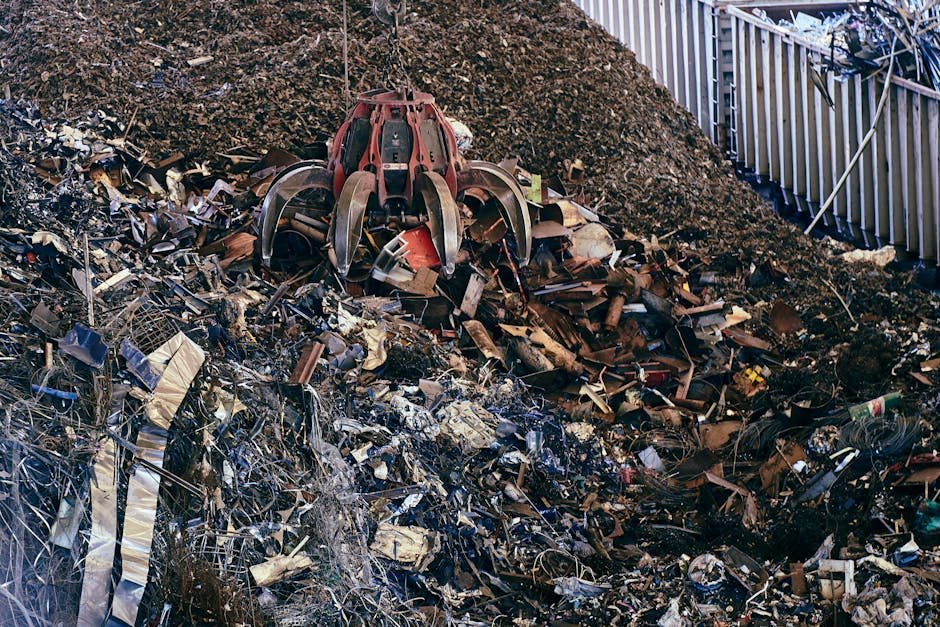

Navigating the world of machinery scrap dealers requires an understanding of how industrial assets are valued, processed, and reintroduced into the global supply chain. Whether you are managing a construction site, an agricultural enterprise, or a manufacturing plant, knowing how to handle your decommissioned equipment is essential for both financial recovery and environmental compliance. When you work with professional machinery scrap dealers, you are not just clearing space; you are participating in a circular economy that reduces the need for virgin ore extraction.
Understanding the Role of Machinery Scrap Dealers
The scrap metal industry is a cornerstone of the Australian economy, providing the raw materials necessary for infrastructure development. To truly grasp the scope of this sector, it is helpful to first understand What Is Scrap Trade. At its core, the trade involves the systematic collection and processing of metallic waste. Professional machinery scrap dealers act as the vital link between industrial end-users and the steel mills or foundries that require high-quality feedstock.
When you engage with a reputable dealer, you are tapping into a sophisticated logistics network. These professionals assess the chemical composition, weight, and structural integrity of your machinery. They provide the equipment, such as heavy-duty shears, balers, and transport vehicles, to safely dismantle and remove assets that would otherwise be considered liabilities. If you are looking for local services, searching for scrap dealers near me is the first step toward professional site clearance.
Furthermore, the industry operates under strict regulatory frameworks. Dealers must ensure that hazardous materials, such as hydraulic fluids, coolants, and batteries, are removed and disposed of according to environmental protection agency guidelines. This level of compliance is what separates professional operators from informal collectors. For those new to the logistical side of this sector, our Heavy Machinery Scrap Buyers Guide provides a deep dive into the valuation process.
Categorizing Scrap: Metal Grades and Valuation
Valuation is not a guessing game; it is a science based on the ISRI (Institute of Scrap Recycling Industries) specifications. Understanding grades is crucial for maximizing your return. Heavy machinery typically falls into specific categories such as Heavy Melting Steel (HMS) 1 and 2, which represent high-density, thick-gauge steel. To understand the broader economic context of these transactions, read more about What Scrap Trade Actually Is.
Beyond steel, machinery often contains significant amounts of non-ferrous metals. Copper wiring, aluminium heat exchangers, and brass fittings are high-value components that require manual separation. Skilled metal scrap dealers possess the expertise to identify these alloys on-site. The difference between “dirty” scrap (mixed with plastics or rubber) and “clean” scrap (pure metal) can be substantial in terms of price per tonne.
For instance, cast iron components from heavy engines are categorized differently than structural steel beams. The former is brittle and requires specific furnace conditions, while the latter is ductile and highly sought after by mills. By separating these materials before the dealer arrives, you significantly increase the efficiency of the recycling process and, consequently, your payout.
The Lifecycle: How Machinery Recycling Works
The recycling process is a marvel of industrial engineering. Once the machinery reaches the scrap yard, it undergoes a multi-stage transformation. The first step is decontamination. All fluids are drained into sealed containment systems to prevent environmental contamination. This is a non-negotiable step for certified dealers.
Next, the machinery is subjected to size reduction. Large shears, often powered by massive hydraulic systems, cut structural beams into manageable pieces. For smaller, mixed-metal components, shredders are used to break the material down into fist-sized chunks. These pieces then pass over magnetic separators, which pull the ferrous metals away from the non-ferrous materials. Eddy current separators are subsequently used to repel and eject non-ferrous metals like aluminium and copper.
The resulting “shred” is then tested for purity. If it meets the required specifications, it is loaded into railcars or shipping containers for transport to steel mills. At the mill, the scrap is melted down in electric arc furnaces to create new steel products. This process consumes significantly less energy than producing steel from virgin iron ore. To explore the digital side of this industry, visit the global scrap trading platform for real-time market insights.
Environmental Benefits and Sustainability
The environmental impact of recycling machinery cannot be overstated. Producing steel from scrap metal uses approximately 75% less energy than producing it from virgin iron ore. This reduction in energy consumption directly correlates to lower greenhouse gas emissions. Furthermore, mining operations are notoriously destructive to local ecosystems, involving land clearing, water usage, and chemical runoff.
By recycling your old machinery, you are essentially preserving natural resources. Every tonne of steel recycled saves over 1,000 kilograms of iron ore, 500 kilograms of coal, and 50 kilograms of limestone. This is the essence of the circular economy. For Australian businesses, adopting a robust recycling policy is also a way to meet ESG (Environmental, Social, and Governance) targets, which are increasingly important for stakeholders and regulatory bodies.
Additionally, keeping scrap out of landfills is a critical component of waste management. Large machinery takes up massive amounts of space and can leach heavy metals into the soil over time. Professional recycling ensures that these materials are captured and repurposed, keeping the environment clean and the economy moving. For specialized information regarding the Australian market, you can consult Australia’s leading scrap metal directory.
Logistics and Site Safety
Managing the removal of heavy machinery is a high-stakes operation. Safety is the primary concern for any reputable dealer. Before any cutting or lifting begins, a comprehensive site risk assessment must be performed. This includes checking for underground utilities, overhead power lines, and structural stability of the equipment being removed.
Dealers use specialized equipment such as mobile cranes, heavy-haulage trucks, and excavator-mounted shears to ensure that the site is cleared efficiently and without incident. As a business owner, you should ensure that the dealer you choose carries comprehensive public liability and workers’ compensation insurance. Never hesitate to ask for their safety credentials and site-specific work method statements (SWMS) before allowing them onto your premises.
Practical tip: Prepare your site for the scrap dealer by clearing access paths. If the machinery is located in a remote or difficult-to-reach area, provide clear photographs and dimensions to the dealer well in advance. This allows them to bring the right equipment, preventing delays and additional mobilization fees.
The Future of the Scrap Industry
The scrap industry is rapidly digitizing. We are moving away from manual, paper-based tracking toward blockchain-verified supply chains. This ensures that the scrap you sell can be tracked back to its source, providing transparency for manufacturers who want to prove the sustainability of their raw materials. This technological shift is changing how dealers operate and how they value incoming material.
Furthermore, the demand for recycled metals is set to skyrocket as the world transitions to renewable energy. Electric vehicles, wind turbines, and solar infrastructure all require massive amounts of copper, aluminium, and steel. The ability to reclaim these metals from decommissioned machinery will be a primary driver of the global economy over the next several decades.
As a participant in this industry, staying informed about market trends is essential. Prices fluctuate based on global demand, energy costs, and geopolitical factors. By building a long-term relationship with a trusted dealer, you can better navigate these cycles and ensure that your scrap assets are always handled with the highest level of professionalism and financial return.
Conclusion
Choosing the right partner is the most important decision in the machinery disposal process. By understanding the grades of metal, the recycling process, and the environmental impact of your choices, you can turn your decommissioned equipment into a valuable asset. Whether you are dealing with a single piece of heavy equipment or a fleet of retired machinery, the expertise of professional dealers ensures that the process is safe, compliant, and environmentally responsible.
Remember that the scrap industry is more than just a place to dump waste; it is the backbone of sustainable manufacturing. By engaging with reputable dealers, you contribute to a cleaner, more efficient, and more profitable future for all. Always prioritize safety, verify the credentials of your service provider, and keep an eye on market trends to ensure you are getting the best possible value for your materials.
Related: What Is Scrap Trade
Frequently Asked Questions
How do I determine the value of my machinery scrap?
The value is determined by the weight, type of metal, and current market prices for specific grades like HMS 1 or 2. Clean, sorted material generally fetches a higher price than mixed or contaminated scrap.
What should I do to prepare my machinery for a scrap dealer?
Clear access paths for heavy vehicles and ensure all hazardous fluids like oil and coolant are drained. Providing clear photos and dimensions to the dealer beforehand helps them plan the removal efficiently.
Are there environmental regulations for scrapping machinery?
Yes, professional dealers must follow strict environmental guidelines regarding the disposal of hazardous materials and fluids. Always ensure your chosen dealer is licensed and compliant with local environmental protection regulations.
Why is it better to recycle machinery than to leave it in storage?
Recycling recovers valuable raw materials, reduces the need for destructive mining, and consumes significantly less energy than producing new metals. It also improves your site safety and can provide a significant financial return.