
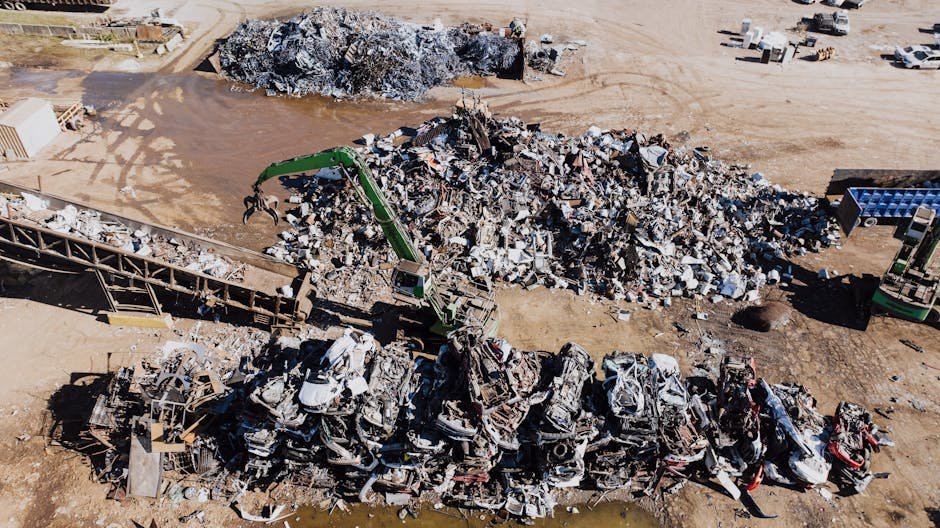

When searching for a metal recycler near me, you are taking the first step toward a more sustainable future while potentially turning your unwanted materials into cash. Across Australia, the demand for high-quality scrap metal is at an all-time high, driven by the need for circular economy practices and the manufacturing sector’s reliance on recycled inputs. Whether you are a homeowner cleaning out the garage, a trade professional managing construction waste, or a business owner looking to dispose of industrial machinery, understanding how to navigate the local scrap market is essential. By utilizing a professional Metal Recycling Near Me service, you ensure that your waste is handled in compliance with environmental regulations while maximizing the value of your materials.
The Lifecycle of Scrap: How the Recycling Process Works
The journey of scrap metal from a discarded item to a raw material for new manufacturing is a sophisticated industrial process. When you arrive at a local scrap yard, the journey begins with weighing and sorting. Facilities use advanced technology to differentiate between ferrous metals (iron and steel) and non-ferrous metals (copper, aluminum, brass, stainless steel). Ferrous metals are often identified using magnets, while non-ferrous metals require more precise testing, such as X-ray fluorescence (XRF) analysis, to determine their exact alloy composition.
Once sorted, the scrap is processed. This involves shredding or shearing the metal into smaller, uniform pieces, which makes it easier to transport and melt. The shredded metal is then cleaned of impurities—such as plastic, glass, or dirt—to ensure the final product meets industrial purity standards. The final stage is smelting, where the scrap is melted down into ingots or billets. These are then sold back to manufacturers to be forged into new products, ranging from automotive parts to structural steel beams. This closed-loop system is why scraping metal is so vital to the Australian economy and global sustainability goals.
Drop-Off vs. Pickup Service: Choosing the Right Method
Deciding between a drop-off at a recycling centre or utilizing a pickup service depends largely on the volume and type of material you have. For smaller loads—such as old household appliances, copper pipes, or aluminum cans—a self-service drop-off is usually the most efficient route. Most facilities in my area are equipped to handle walk-in traffic, providing instant weighing and payment services. Before you head out, it is wise to check current Metal Prices to ensure you understand the market value of your specific items.
Conversely, for large-scale industrial projects or construction sites, a pickup service is the standard. Professional metal scrappers often provide skip bins or flatbed truck services to haul away heavy loads. This is not only a matter of convenience but also safety; handling heavy steel beams or industrial machinery requires specialized equipment. By scheduling a pickup, you avoid the logistical headache of transport and ensure that large quantities of metal are moved directly to a processing facility, minimizing the risk of illegal dumping or improper disposal.
The Environmental Benefit of Responsible Recycling
The environmental benefit of metal recycling cannot be overstated. Mining virgin ore is an incredibly energy-intensive process that leaves deep scars on the landscape and contributes significantly to greenhouse gas emissions. By choosing a nearby recycler, you are actively participating in the reduction of your carbon footprint. For instance, recycling aluminum requires approximately 95% less energy than producing it from raw bauxite ore. Similarly, recycling steel saves about 75% of the energy needed for virgin steel production.
Furthermore, recycling metal prevents hazardous materials from leaching into the soil and groundwater. Old electronics and appliances often contain trace amounts of toxic substances; when these are processed by certified professionals, these risks are mitigated. Every tonne of recycled metal reduces the need for landfill space and conserves natural resources for future generations. If you are interested in the broader impact of the industry, you can explore resources at the Scrap Trade portal to learn more about industry standards.
Maximizing Returns: Tips for Preparing Your Scrap
If your goal is to Sell Scrap Metal Near Me In 2026, preparation is key. The cleaner your scrap, the higher the price you will receive. Facilities pay for the weight of the metal, not the weight of the contaminants. Spend time removing non-metallic attachments, such as plastic handles on a copper kettle, or wood attached to steel beams. This simple act of cleaning your scrap can significantly increase your payout.
Another tip is to keep your metals separated. If you mix your copper with your steel, the recycler may grade the entire load as the lower-value metal (steel). By sorting your bins into categories—copper, brass, aluminum, and steel—you allow the facility to accurately weigh and pay you for each grade. Always keep an eye on the market, as prices fluctuate daily based on global supply and demand. Using a reliable Australian scrap metal directory can help you find facilities that offer transparent pricing and fair grading practices.
Safety Protocols and Regulations in the Scrap Industry
Safety is the cornerstone of any reputable scrap yard. Whether you are visiting a facility or managing a site pickup, you must adhere to strict safety protocols. This includes wearing high-visibility vests, steel-toed boots, and hard hats when required. Metals can have sharp edges, and heavy machinery is constantly in motion. Never attempt to dismantle items that contain pressurized gases, such as fire extinguishers or certain HVAC components, as these pose a significant explosion risk.
Furthermore, the scrap industry is heavily regulated to prevent the trade of stolen goods. Expect to be asked for identification when you sell scrap metal. This is a standard procedure designed to deter theft and ensure transparency. By working with licensed and reputable recyclers, you help maintain the integrity of the industry. These professionals are trained to identify prohibited items and handle hazardous materials according to state and federal environmental laws, ensuring that the recycling process remains safe for the community and the environment.
The Future of Metal Recycling in Australia
As we look toward the future, the integration of technology in the recycling sector is accelerating. We are seeing the rise of smart-sorting facilities that use artificial intelligence and robotics to achieve near-perfect purity in metal recovery. These advancements mean that even complex alloys, which were once difficult to recycle, can now be recovered efficiently. This technological shift is essential for Australia to meet its net-zero emissions targets.
For the average person or business owner, this means that the options for recycling are becoming more accessible and more rewarding. We are moving away from a linear “take-make-waste” model toward a circular economy where every piece of metal is treated as a valuable asset. Whether you are a hobbyist metal scrapper or a corporate sustainability officer, your contribution to this cycle is significant. By staying informed and choosing to work with professional recyclers, you are supporting a cleaner, more efficient, and more sustainable Australian economy.
Conclusion: Taking Action Today
Finding a metal recycler near me is more than just a task of convenience; it is a commitment to environmental stewardship. By choosing to recycle, you are conserving energy, reducing landfill waste, and supporting a vital industrial sector. Whether you choose to drop off your scrap or arrange a professional pickup, the impact of your decision resonates through the entire supply chain.
We encourage you to use our platform to find the best facilities in your area. Remember to sort your materials, check the current market prices, and always prioritize safety. The scrap metal industry is evolving, and with the right information, you can ensure that your contribution is both financially and environmentally beneficial. Start your recycling journey today and help build a more sustainable future for Australia.
Related: metal scrappers
Related: scraping metal
Frequently Asked Questions
How do I know if my scrap metal is worth money?
Most metals have value, but non-ferrous metals like copper, brass, and aluminum are generally worth significantly more than ferrous metals like steel or iron. You can check current market rates on our platform to estimate the value of your specific materials.
Do I need to clean the metal before taking it to a recycler?
Yes, cleaning your scrap by removing non-metallic materials like plastic, rubber, or wood will significantly increase the value of your load. Recyclers pay for the weight of the metal itself, so removing contaminants ensures you get the best price for your items.
What documentation do I need when selling scrap metal?
Most professional scrap yards in Australia require a valid photo ID, such as a driver’s license or passport, to comply with anti-theft regulations. This helps ensure that all transactions are transparent and traceable.
Can I get a pickup service for my scrap metal?
Yes, many professional scrap yards offer pickup services, especially for large volumes or industrial quantities. It is best to contact a local facility to discuss the volume of your scrap and determine if they can provide a skip bin or truck service for your site.