

Understanding the scrap metal price Canning Vale landscape is essential for both commercial contractors and residential recyclers looking to maximize their returns. Because the industry operates on a global scale, the market rate for commodities like copper, aluminium, and steel is rarely static. As one of the primary industrial hubs in Western Australia, Canning Vale serves as a critical node for metal recovery, where local logistics and international demand intersect to determine the payment you receive at the scale.
How Scrap Metal Prices Are Determined in the Market
The pricing of scrap metal is not an arbitrary figure set by local yards; it is a complex derivative of global financial markets. When you search for the current scrap prices, you are essentially looking at the downstream result of the London Metal Exchange (LME). The LME sets the benchmark for base metals, and from there, regional factors in Australia—such as currency exchange rates (AUD vs. USD), shipping costs, and local demand—filter down to the price per kg or price per tonne offered at your local facility.
For those looking to trade, it is important to understand that the “market rate” is usually a wholesale figure. By the time that metal reaches a recycling yard, costs for processing, transport, labour, and environmental compliance have been deducted. This is why you will see fluctuations in the scrap metal price Canning Vale offers from week to week. Factors like the price of oil (which affects transport costs) and the strength of the manufacturing sector in Asia significantly influence these figures.
Furthermore, the physical quality of your scrap plays a massive role. Clean, sorted copper pipe will always fetch a higher price than copper wire mixed with PVC insulation. The effort you put into cleaning your scrap is essentially an investment in your own payout. If you are dealing with large volumes of industrial waste, you may find that professional scrap metal recyclers canning vale offer better rates for consistent, high-quality supply chains.
Categorising Scrap: Understanding Metal Grades
To navigate the market effectively, you must understand how metals are classified. Grades are the industry standard for determining value. The most common distinction is between Ferrous and Non-Ferrous metals. Ferrous metals contain iron and are magnetic, while non-ferrous metals do not contain iron and are generally more valuable due to their scarcity and infinite recyclability.
For instance, when managing steel, you should refer to our Light Steel Scrap Price Sheet Metal Appliances guide to differentiate between heavy structural steel and light gauge appliances. Appliances often contain mixed materials, which can lower their value unless they are properly dismantled. Similarly, if you are working with specialized materials, our Lead Metal Price Per Kg Insights For Scrap Sellers And Buyers provides the necessary context on why lead, despite being heavy, is priced differently than copper or brass.
In the context of the canning vale scrap metal market, non-ferrous metals like copper, brass, and aluminium are the “gold standard.” Copper, in particular, is highly sensitive to construction cycles. If there is a building boom in Perth, the demand for copper wiring and plumbing scrap skyrockets. Conversely, telecom infrastructure requires specialized handling, which you can learn more about in our Telecom Scrap Metal Selling Guide.
The Logistics of Recycling: How It Works
Recycling is a multi-stage process that transforms discarded items back into raw commodities. Once you drop off your scrap at a facility, the process begins with weighing. Most yards use certified weighbridges to ensure accuracy. From there, the material is sorted. Advanced facilities use X-ray fluorescence (XRF) analyzers to determine the exact alloy composition of metals, ensuring that high-value metals aren’t downgraded due to contamination.
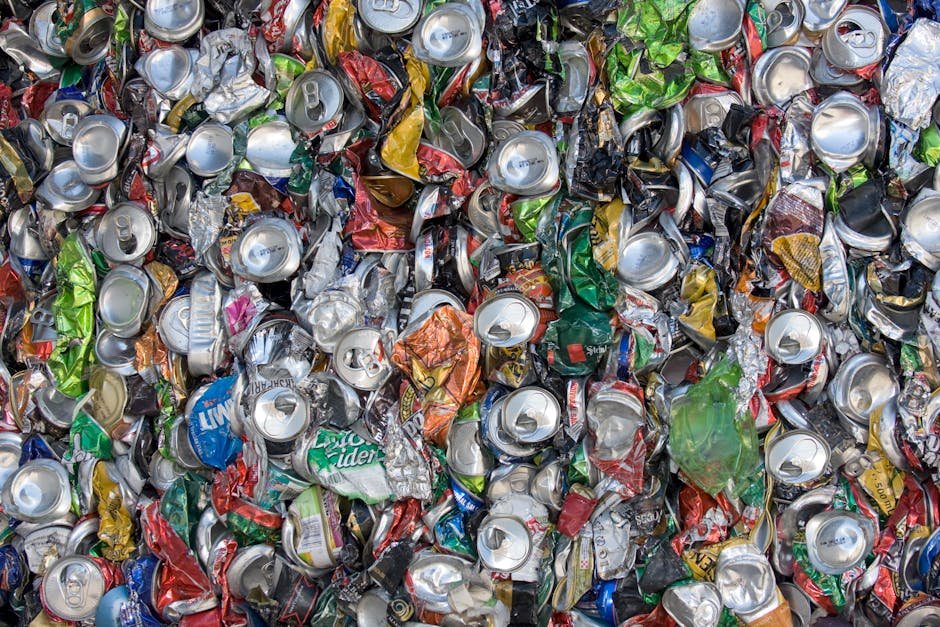
After sorting, the material is processed. This may involve shearing, baling, or shredding. Baling is particularly common for light steel, as it compacts the volume for efficient transport. Shredding is used for more complex items like vehicles or white goods, where magnets are used to separate ferrous from non-ferrous materials. This refined product is then sold to smelters, where it is melted down to create new ingots or billets for manufacturing.
The efficiency of this loop is what keeps the industry alive. By recycling, we reduce the need for virgin ore mining, which is an energy-intensive and environmentally destructive process. For those interested in the broader industry, you can explore the [official industry portal](https://scrap.trade) to understand how these processes scale globally. Additionally, for Australian-specific market data, [Scrap Trade Australia](https://scraptrade.com.au) provides excellent resources for tracking the movement of these commodities.
Environmental Benefits of Metal Recycling
The environmental impact of recycling cannot be overstated. Metal is unique because it can be recycled indefinitely without losing its physical properties. When you recycle one tonne of aluminium, you save roughly 95% of the energy required to produce the same amount of aluminium from bauxite ore. This reduction in energy consumption leads to a massive decrease in greenhouse gas emissions.
Beyond energy savings, recycling metal preserves natural resources. Mining requires clearing land, destroying habitats, and massive water usage. By keeping metal in the circular economy, we extend the life of existing materials. In Canning Vale, the presence of local recycling facilities means that transport emissions are also reduced, as scrap doesn’t need to be hauled across the country to be processed.
Furthermore, recycling prevents hazardous materials from entering landfills. Old appliances, electronics, and batteries often contain heavy metals that can leach into the groundwater if not disposed of correctly. Professional recycling ensures that these toxins are captured and treated in a controlled environment. By choosing to recycle, you are not just making a profit; you are contributing to a sustainable future for Western Australia.
Factors Affecting Your Payout
Why does one seller get a better price than another? It often comes down to three factors: volume, purity, and market timing. Volume is a major driver. If you have a truckload of copper, you have more leverage to negotiate a “bulk rate” compared to someone bringing in a small bucket of loose wire. Yards prefer consistent, large-scale suppliers because it reduces their own operational costs.
Purity is the second factor. Contamination is the enemy of profit. If you bring in copper pipes that still have plastic fittings, brass valves, or steel clamps attached, the yard must spend time and labour cleaning them. This cost is passed on to you through a lower price per kg. Always aim to strip your scrap down to the base metal if you have the tools and time to do so.
Finally, there is market timing. While you cannot control the global economy, you can keep an eye on trends. Metal prices today are often published in industry newsletters or on trading platforms. If you see a downward trend in global copper demand, it might be better to hold onto your scrap for a few weeks if you have the storage space. Conversely, if you see a spike in demand, it is the perfect time to clear out your shed.
Best Practices for Scrap Sellers
To ensure you get the most out of your scrap, follow these professional tips. First, separate your metals before you arrive at the yard. Mixing aluminium with stainless steel or copper with brass will result in the yard paying you the “mixed scrap” rate, which is always the lowest price. By presenting your scrap in segregated piles or bins, you demonstrate that you have done the work, and the yard will often reward that with a higher price.
Second, keep your scrap clean. Remove grease, oil, paint, and non-metal attachments. For example, if you are recycling electric motors, removing the steel casings can often reveal high-copper-content windings that are far more valuable. Third, call ahead. If you have a large load, a quick phone call to the facility can confirm their current buying capacity and whether they are currently paying a premium for specific materials.
Lastly, maintain a relationship with your local yard. If you are a regular, they will get to know you and your material quality. A reputation for bringing in “clean” scrap goes a long way. When the yard knows they can trust your loads, they are more likely to offer you the best possible rate, even during market lulls.
The Future of Metal Recycling in Australia
The scrap metal industry is currently undergoing a digital transformation. We are seeing more transparency in pricing and better tracking of materials through the supply chain. As Australia moves toward a more circular economy, the role of local hubs like those in Canning Vale will become even more critical. Governments are increasingly prioritizing domestic processing capabilities, which means more of our scrap will be turned into finished goods right here in Australia.
Technology, such as automated sorting and AI-driven quality control, is making the recycling process faster and more accurate. This allows recyclers to recover materials that were previously considered “waste.” For the average person, this means that even items that seemed impossible to recycle a decade ago might now have a market value. Always check with your local facility before throwing anything away; you might be surprised by what can be turned into cash.
In conclusion, the scrap metal industry is a vital component of the modern economy. Whether you are a tradesperson clearing a job site or a homeowner cleaning out a garage, understanding the market dynamics allows you to participate in a sustainable and profitable system. By staying informed, sorting your materials, and choosing reputable recyclers, you ensure that you get the best value for your scrap while supporting a greener planet.
Frequently Asked Questions
How do I know if my scrap metal is worth money?
Most metals have value, but non-ferrous metals like copper, brass, aluminium, and lead are the most profitable. If a magnet does not stick to the metal, it is likely non-ferrous and worth more.
Does the price of scrap metal change daily?
Yes, scrap metal prices are based on global commodity markets which fluctuate daily. It is best to check the current market rates on the day you plan to sell.
Why should I sort my scrap before bringing it to the yard?
Sorting your metal by type prevents it from being classified as ‘mixed scrap,’ which typically pays the lowest rate. Clean, separated metals are easier for the yard to process and command higher prices.
What is the difference between ferrous and non-ferrous scrap?
Ferrous metals contain iron (like steel and iron) and are magnetic, while non-ferrous metals (like copper, aluminium, and stainless steel) do not contain iron and are generally more valuable.