
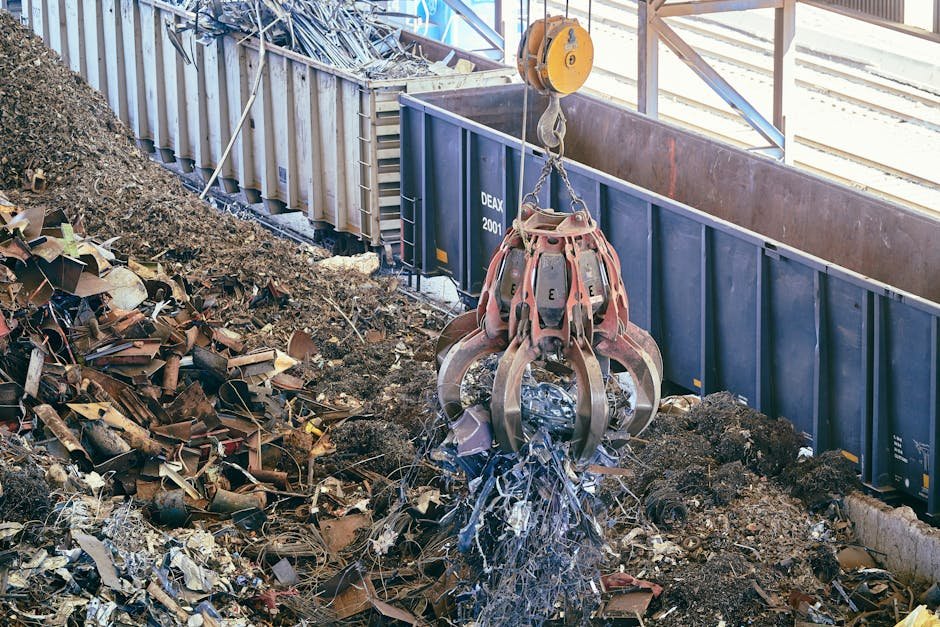

Understanding the nuances of sale metal scrap is essential for anyone looking to enter the Australian recycling market, whether you are a demolition contractor, a small business owner, or an individual clearing out a workshop. The metal recycling industry serves as the backbone of the circular economy, transforming discarded materials into high-value commodities. By engaging in the professional sale metal scrap process, you are not only generating revenue but also participating in a vital environmental initiative that reduces the need for destructive raw ore mining.
Understanding Metal Grades and Classification
The first step in any successful transaction is identifying what you have. Metals are broadly categorized into two main groups: ferrous and non-ferrous. Ferrous metals, such as iron and steel, contain carbon and are magnetic. Non-ferrous metals, including copper, aluminium, brass, and lead, are non-magnetic and generally command higher market values due to their scarcity and infinite recyclability.
Within these categories, grades are determined by purity, size, and the absence of contaminants like plastic, rubber, or glass. For instance, ‘Bright and Shiny’ copper is the highest grade of copper scrap, free from oxidation and insulation. Conversely, ‘Number 2’ copper may contain minor impurities. Knowing how to sort your materials before you look to Sell Scrap Metal Near Me In 2026 will significantly improve your bottom line. When you visit a facility, such as a specialized werribee scrap metal yard, having your materials pre-sorted can save time and ensure you receive the most accurate valuation.
It is also important to monitor current Scrap Metal Prices, as these fluctuate based on global demand, supply chain logistics, and currency exchange rates. A professional Australian metal recycling platform provides the transparency needed to understand these shifts. Whether you are dealing with industrial offcuts or household appliances, correctly grading your metal is the difference between a standard payout and a premium return.
The Lifecycle of Metal Recycling
The journey of scrap metal from a discarded state to a new product is a sophisticated industrial process. It begins with collection, where scrap is gathered from various sources, including demolition sites, automotive wrecking yards, and manufacturing plants. Once collected, the metal is transported to a processing facility. If you are searching for Scrap Metal Recycling Near Me, you will find that modern facilities utilize advanced technology like optical sorters and X-ray fluorescence (XRF) analyzers to identify metal compositions with pinpoint accuracy.
After sorting, the metal is shredded or sheared. Shredding breaks the metal into small pieces, which increases the surface-to-volume ratio, making it easier to remove contaminants using magnetic separators and air classifiers. The cleaned metal is then melted in furnaces. Because metals like aluminium and copper can be recycled indefinitely without losing their properties, this molten metal is cast into ingots or billets, which are then sold to manufacturers to create everything from new car parts to structural beams for skyscrapers.
For those looking to engage in the scrap metal for sale online market, understanding this lifecycle is crucial. Buyers are looking for consistency and purity. When you provide high-quality, processed scrap, you are feeding a global supply chain that relies on secondary materials to meet production demands without the carbon footprint associated with primary extraction.
Environmental Benefits of Metal Recycling
The environmental impact of recycling metal cannot be overstated. Primary metal production—the process of mining, refining, and smelting raw ore—is one of the most energy-intensive industries on the planet. By contrast, recycling metal requires a fraction of the energy. For example, producing new aluminium from recycled scrap uses approximately 95% less energy than producing it from bauxite ore.
Beyond energy savings, recycling reduces the need for land-intensive mining operations. Mining destroys habitats, causes soil erosion, and often leads to the contamination of local water tables. By choosing to trade your metal through a legitimate scrap metal trading platform, you are actively reducing the demand for new mining operations. Furthermore, the recycling process significantly lowers greenhouse gas emissions, as the melting of scrap metal releases far fewer CO2 emissions than the chemical reduction processes required to turn ore into metal.
In Australia, the transition toward a circular economy is accelerating. Businesses and individuals who prioritize the responsible disposal of metal are helping the country meet its sustainability targets. Every kilogram of metal diverted from a landfill is a win for the environment, preserving natural resources for future generations while reducing the waste management burden on local municipalities.
Maximizing Your Returns: Practical Tips
To maximize the value of your scrap, preparation is key. Here are several expert strategies to ensure you get the best price for your materials:
- Sort by Metal Type: Never mix ferrous and non-ferrous metals. Even a small amount of iron mixed with copper can downgrade the entire batch.
- Clean Your Scrap: Remove non-metal attachments. If you have an electric motor, removing the plastic casing and copper wiring separately will yield a higher price than selling the motor whole.
- Monitor the Market: Metal prices change daily. Keep an eye on the Scrap Metal Prices index before heading to the yard.
- Volume Matters: While small loads are accepted, larger, consistent loads often qualify for better rates or pick-up services.
- Build Relationships: If you are a recurring seller, build a relationship with a trusted yard. Consistency and reliability often lead to preferred pricing.
When you are ready to sale metal scrap, ensure you have the appropriate documentation. Commercial sellers may need to provide tax invoices or proof of business ownership, depending on local regulations. Being prepared makes the transaction smooth and professional.
The Future of Metal Trading in 2026 and Beyond
Looking ahead to 2026, the metal trading landscape is becoming increasingly digitized. We are seeing a shift toward online marketplaces where sellers can list their inventory and buyers can bid in real-time. This digital transformation provides greater price discovery and efficiency, reducing the information asymmetry that historically plagued the industry.
Furthermore, the rise of ‘green steel’—steel produced using renewable energy and high-grade scrap—is driving up the demand for high-quality recycled materials. As global manufacturers commit to net-zero targets, the value of recycled metal as a ‘low-carbon’ input will only increase. This makes now the perfect time to get involved in the scrap market, whether as an occasional recycler or a professional trader.
As you navigate this evolving landscape, remember that the goal is to create a seamless flow of materials. Whether you are looking for Sell Scrap Metal Near Me In 2026 or trying to find a reliable Scrap Metal Recycling Near Me, the key is to prioritize partners who emphasize technology, transparency, and environmental responsibility. The industry is moving away from the ‘junkyard’ stigma and toward a high-tech, data-driven sector that plays a critical role in the global supply chain.
Safety and Legal Considerations
Safety should always be the priority when handling scrap metal. Metal edges can be razor-sharp, and heavy machinery used in yards requires caution. Always wear appropriate personal protective equipment (PPE), including gloves, steel-toed boots, and eye protection. Additionally, be aware of prohibited items. Many yards will not accept sealed containers, radioactive materials, or items containing hazardous chemicals like asbestos or mercury.
Legally, the industry is heavily regulated to prevent the trade of stolen goods. In Australia, expect to provide valid identification when selling significant quantities of scrap. This is a standard industry practice designed to protect both the buyer and the seller. By operating within the law and maintaining accurate records, you contribute to the overall legitimacy and health of the recycling industry.
Finally, consider the logistics of your trade. If you have large quantities of material, look for yards that offer skip bin services or mobile collection. This can save you significant transport costs and time. Always research the reputation of the recycling facility; a reputable yard will have clear signage, certified scales, and a transparent pricing structure.
Conclusion: Your Role in the Circular Economy
The sale metal scrap sector is more than just a way to make extra money; it is a critical component of a sustainable future. By understanding the grades of metal, the recycling process, and the environmental benefits, you are empowered to make better decisions. Whether you are a homeowner with a few kilograms of copper piping or a contractor with tonnes of structural steel, your contribution helps reduce the strain on our planet’s limited resources.
Remember to stay informed about market trends, utilize reputable digital platforms, and always prioritize safety and compliance. As we move further into the decade, the integration of technology into the scrap metal trade will continue to make the process more efficient and profitable for everyone involved. Start by identifying your materials, sorting them correctly, and connecting with the right local recycling partners. Together, we can ensure that metal remains a valuable, infinitely reusable asset.
Frequently Asked Questions
What is the most valuable type of scrap metal?
Non-ferrous metals like copper, brass, and stainless steel are generally the most valuable. Among these, clean, bare bright copper typically commands the highest market price due to its purity and high demand in electrical applications.
How do I know if my metal is ferrous or non-ferrous?
The easiest way to test is by using a magnet. If the magnet sticks to the metal, it is a ferrous metal, such as iron or steel. If the magnet does not stick, it is likely a non-ferrous metal like aluminium, copper, or lead.
Do I need to clean my scrap metal before selling it?
Yes, cleaning your scrap metal significantly increases its value. Removing non-metal contaminants like plastic, wood, or glass ensures the material is classified at a higher grade, which directly translates to a better payout.
Why do scrap metal prices change so often?
Scrap metal prices are driven by global market demand, the cost of raw ore extraction, and fluctuations in international trade. Because metal is a global commodity, supply chain disruptions and changes in manufacturing output cause prices to fluctuate daily.