
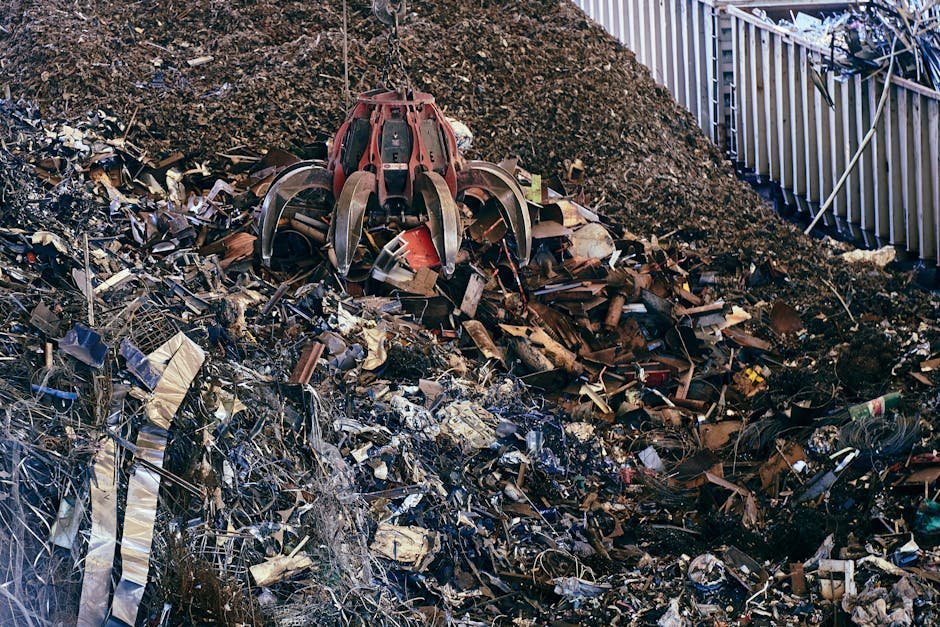

Navigating the logistics of scrap metal pickup Canberra requires an understanding of both the local market dynamics and the technical specifications of metal recovery. Whether you are a construction firm clearing a site in Fyshwick or a resident looking to dispose of old appliances, efficient recycling is the cornerstone of a sustainable circular economy. By choosing a professional collection service, you ensure that your materials are processed according to Australian environmental standards, turning potential waste into high-value raw materials.
Understanding Metal Grades: Ferrous vs. Non-Ferrous
To maximize your return when you Sell Scrap Metal Near Me In 2026, you must first distinguish between the two primary categories of scrap: ferrous and non-ferrous metals. Ferrous metals contain iron, are magnetic, and are generally more abundant. This category includes mild steel, carbon steel, stainless steel, and cast iron. While these are essential for construction, they typically command lower prices per kilogram due to their high volume and relative ease of extraction.
Non-ferrous metals, conversely, do not contain iron and are prized for their resistance to corrosion and their high electrical conductivity. This category includes copper, aluminium, brass, lead, and zinc. Because these metals retain their properties indefinitely through the recycling process, they are infinitely recyclable. Understanding the current Scrap Metal Prices is vital for anyone looking to monetize their scrap collection. High-grade copper, for instance, is often sorted into categories such as ‘Bright and Shiny’ (bare, clean copper wire) or ‘Copper Pipe’ (plumbing grade), with each grade carrying a distinct market value.
For those managing large-scale industrial sites, sorting your scrap at the source is the most effective way to increase your profit margin. Mixing metals often results in a ‘mixed scrap’ price, which is significantly lower than the price offered for clean, segregated loads. Utilizing a professional Scrap Metal Recycling Near Me service ensures that your materials are weighed on certified scales, providing transparency and accuracy in every transaction.
The Logistics of Scrap Metal Pickup Canberra
The operational efficiency of scrap metal pickup Canberra depends heavily on the scale of the job. For commercial clients, scrap metal collection often involves the deployment of skip bins or specialized flatbed trucks equipped with hydraulic cranes. These services are designed to minimize downtime on construction sites and ensure that hazardous or heavy materials are removed safely and in compliance with ACT waste management regulations.
While we focus on the capital, our network extends across the country. For those operating in other regions, we also facilitate scrap metal pickup brisbane to ensure nationwide consistency in service quality. If you are specifically looking for a facility to drop off your materials, finding a reputable scrap metal yard brisbane or local Canberra depot is essential for high-volume transactions. The process typically begins with an assessment of the volume and type of material, followed by the scheduling of a collection time that minimizes disruption to your daily operations.
When preparing for a pickup, ensure that your site is accessible for heavy vehicles. Safety is paramount; ensure that scrap piles are not obstructing emergency exits or public thoroughfares. If you have large, singular items like heavy machinery or structural steel, provide the dimensions to the collection team beforehand so they can bring the appropriate lifting equipment. This proactive approach saves time and ensures a seamless pickup experience.
How the Metal Recycling Process Works
Once your metal is collected, it undergoes a sophisticated multi-stage recycling process. The first step is identification and sorting. Modern facilities use advanced technology, including X-ray fluorescence (XRF) analyzers, to determine the exact elemental composition of a piece of metal. This ensures that alloys are separated correctly, which is critical for maintaining the integrity of the recycled product.
After sorting, the metal is processed through shredders or shears. Shredding breaks down bulky items like vehicles or whitegoods into smaller, manageable pieces. Magnetic separators are then used to pull ferrous metals out of the mix, while eddy current separators are employed to isolate non-ferrous metals like aluminium. The resulting ‘shred’ is then cleaned to remove impurities like plastic, glass, or dirt.
The final stage is melting and purification. The processed metal is heated in high-temperature furnaces, poured into ingots, or cast into billets. These raw materials are then sold to manufacturers to create new products. By using recycled metals, manufacturers save up to 95% of the energy required to produce the same amount of metal from virgin ore. This is why choosing a reliable scrap metal trading platform is so important—it connects you directly to the supply chain that fuels this sustainable manufacturing loop.
Environmental Benefits of Metal Recycling
The environmental impact of recycling cannot be overstated. Mining for virgin metal is an energy-intensive and ecologically destructive process. It involves massive land clearing, habitat destruction, and the release of greenhouse gases. By contrast, recycling metal consumes a fraction of that energy and preserves our natural resources.
For example, recycling aluminium saves 95% of the energy needed to make it from bauxite ore. Similarly, recycling steel reduces water pollution by 76% and air pollution by 86%. In Canberra, where environmental sustainability is a core community value, choosing to recycle your scrap is a direct contribution to the city’s carbon reduction targets. It prevents thousands of tonnes of metal from ending up in landfills, where they would otherwise take up space and potentially leach heavy metals into the soil and groundwater.
Furthermore, the circular economy model supported by Australia’s leading scrap metal network promotes the longevity of materials. By keeping metals in the production loop, we reduce the demand for new mining operations, effectively lowering the global carbon footprint of the construction and manufacturing industries. Every kilogram of metal you recycle is a step toward a more sustainable future.
Safety and Compliance in Scrap Handling
Handling scrap metal is inherently risky. Sharp edges, heavy loads, and potentially hazardous residues (such as oil in old machinery or coolant in air conditioning units) require expert handling. When you schedule a scrap metal pickup Canberra, you are engaging professionals who are trained in safe lifting techniques and the proper disposal of hazardous components.
Compliance with the ACT Environment Protection Authority (EPA) guidelines is non-negotiable. Many scrap items, such as lead-acid batteries or gas cylinders, require specialized handling to prevent environmental contamination. Always inform your recycler if your scrap contains any potential hazards. A professional service will have the necessary permits and containment protocols to handle these items safely, ensuring that you are not liable for any environmental damage caused by improper disposal.
Furthermore, documentation is a key part of the process. For commercial businesses, having a clear audit trail for waste disposal is often a regulatory requirement. Professional recyclers provide weighbridge dockets and certificates of destruction, which can be invaluable for your business’s environmental reporting and ESG (Environmental, Social, and Governance) compliance audits.
Maximizing Your Returns: Tips for Sellers
If you want to get the best value for your scrap, preparation is key. First, keep your metals clean. Remove non-metallic attachments like rubber hoses, plastic handles, or wood frames from your metal items. While some recyclers will accept ‘dirty’ scrap, you will receive a significantly higher price for ‘clean’ material.
Second, segregate your metals. Do not mix copper with steel, or aluminium with brass. Even small amounts of contamination can downgrade an entire load. If you have a large volume, consider using separate bins or designated areas on your site for different metal types. This makes the weighing process faster and more accurate.
Third, monitor the market. Metal prices fluctuate based on global supply and demand, currency exchange rates, and commodity market trends. Keep an eye on the latest Scrap Metal Prices to understand when it might be the right time to sell. If you have a large, consistent volume of scrap, establish a long-term relationship with a recycler. They may be able to offer you better rates or more flexible pickup schedules as a loyal client.
The Future of Scrap Metal in Australia
The scrap metal industry is undergoing a digital transformation. With the rise of platforms like our own, the process of finding a buyer, scheduling a pickup, and tracking your environmental impact has become more transparent and efficient. In 2026 and beyond, we expect to see even greater integration of AI and machine learning in the sorting process, further increasing the purity and value of recovered metals.
As Australia moves toward a net-zero future, the role of the scrap metal recycler is becoming increasingly vital. We are no longer just ‘junkyards’; we are essential nodes in the global supply chain for sustainable materials. By choosing to engage with professional services, you are not just clearing your site; you are participating in a global movement to preserve the planet for future generations. Whether you are in Canberra or across the country, the principles remain the same: sort, recycle, and reuse.
We encourage all our partners to view their scrap not as waste, but as a secondary raw material. By shifting this perspective, businesses can turn a cost center—waste management—into a potential revenue stream. The technology is here, the market is ready, and the environmental imperative has never been clearer. Start your journey today by ensuring your next collection is handled by experts who understand the true value of your materials.
Frequently Asked Questions
What items are commonly accepted for scrap metal pickup in Canberra?
Most recyclers accept copper, aluminium, brass, steel, stainless steel, and lead. This includes household appliances, plumbing fixtures, construction steel, and wiring, provided they are free from significant hazardous contaminants.
How do I determine the value of my scrap metal?
The value is determined by the type of metal, its purity, and current global commodity market rates. You can check the latest Scrap Metal Prices on our website to get an estimate based on your specific material grades.
Is there a minimum quantity required for a scheduled pickup?
Most professional services require a minimum weight or volume to justify the logistics of sending a truck. It is best to contact your local provider to discuss your specific load size and requirements.
Why is it important to separate my scrap metal before collection?
Separating your metals prevents contamination, which allows the recycler to offer you a higher ‘clean’ grade price. Mixing metals often leads to a lower ‘mixed scrap’ rate, reducing your overall return.