

Navigating the landscape of scrap aluminium recycling Hobart requires a deep understanding of the local market, material classification, and the broader economic impact of circular resource management. Whether you are a construction contractor, a manufacturing plant manager, or a private collector, understanding how to effectively manage and trade your aluminium waste is essential for maximizing profitability and environmental compliance. As Hobart continues to grow, the demand for efficient metal recovery systems has never been higher. This guide serves as your authoritative resource for everything related to the industry, from technical grading standards to the logistics of local collection.
The Economics of Scrap Aluminium Recycling Hobart
The market for aluminium is driven by its infinite recyclability. Unlike many plastics, aluminium retains its structural integrity through repeated melting and reforming cycles. In the context of scrap aluminium recycling Hobart, the value of your material is heavily influenced by global commodity markets and local processing capacity. Understanding the scrap trading platform ecosystem is vital for those looking to move beyond simple drop-offs and into professional metal trading.
When you consider the aluminium price, it is important to recognize that it fluctuates based on purity, quantity, and current industrial demand. High-grade aluminium, such as clean 6063 extrusion, commands a premium because it requires less refining energy than lower-grade mixed scrap. For businesses looking to optimize their operations, distinguishing between simple disposal and strategic trading is key. You can learn more about the nuances of the industry by reading our guide on Scrap Trading Vs Recycling Business, which outlines how to transition from a passive recycler to an active market participant.
For those located in other regions, such as Queensland, it is worth noting that logistical standards remain similar, though local regulations may vary. For instance, our insights into caboolture scrap metal recycling provide a comparative look at how regional hubs operate within the Australian market. Regardless of your location, the goal remains the same: efficient material recovery that minimizes environmental degradation and maximizes economic return.
Understanding Aluminium Grades and Classification
Not all scrap is created equal. To get the best return, you must understand how recyclers grade your material. In the scrap industry, aluminium is typically categorized into specific classes based on its chemical composition and cleanliness.
- Aluminium Extrusion (6063): This is the gold standard of scrap. It is often found in window frames, door frames, and architectural components. It must be free of thermal breaks, rubber seals, and screws to be classified as ‘clean’ extrusion.
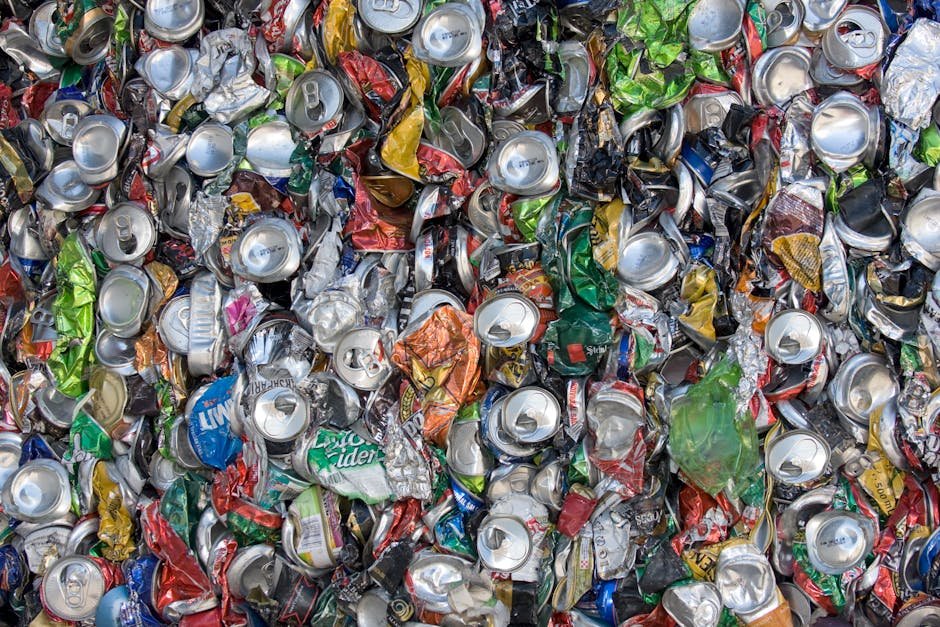
- Aluminium Cans (UBCs): Used beverage cans are a high-volume commodity. While individual quantities might seem small, industrial-scale collection of aluminium cans is a cornerstone of the recycling economy.
- Cast Aluminium: Found in engine blocks, transmission housings, and lawnmower decks. This grade usually contains higher levels of silicon, making it distinct from wrought alloys.
- Mixed Aluminium (Old Sheet): This includes a variety of items like siding, gutters, and general household scrap. It is usually priced lower because it requires more intensive sorting to remove contaminants like steel or plastic.
Proper sorting at the source is the single most effective way to increase your payout. Contamination is the enemy of value. A load of clean extrusion mixed with a few pieces of steel can be downgraded to ‘mixed’ status, significantly reducing the price per kilogram. If you are struggling to identify your materials, connecting with experts via an Aluminium Scrap Whatsapp Group can provide real-time advice from peers and industry professionals.
The Process: How Aluminium Recycling Works
The journey from a discarded window frame to a new product is a marvel of industrial efficiency. The process begins with the physical collection of the material. For those searching for a facility, finding scrap metal recycling near me is the first step in the logistics chain. Once collected, the scrap undergoes several stages of refinement:
- Sorting and Identification: Modern facilities use X-ray fluorescence (XRF) and heavy-media separation to identify the exact alloy composition of the scrap.
- Shredding: The scrap is fed into massive industrial shredders that break the material into smaller, uniform pieces, which makes it easier to remove non-metallic contaminants.
- De-coating: If the aluminium has paint, lacquer, or plastic coatings, it passes through a decoating kiln where these impurities are burned off or removed.
- Melting: The clean, shredded aluminium is melted in high-temperature furnaces. During this stage, alloying elements may be added to reach specific metallurgical specifications.
- Casting: The molten metal is poured into molds to create ingots, billets, or slabs, which are then sold back to manufacturers to create new products.
This closed-loop system is why aluminium scrap recycling is so vital to Australia’s manufacturing sector. By utilizing secondary aluminium, manufacturers save approximately 95% of the energy required to produce primary aluminium from bauxite ore. This energy saving is the primary driver behind the economic viability of the entire recycling industry.
Environmental Benefits and Sustainability
The environmental impact of recycling aluminium cannot be overstated. Beyond the massive energy savings, recycling reduces the need for bauxite mining, which is an ecologically disruptive process that involves stripping large areas of land. By participating in scrap aluminium recycling Hobart, you are directly contributing to a reduction in greenhouse gas emissions and the preservation of natural habitats.
Furthermore, aluminium is a permanent material. It does not lose its quality over time. A soda can recycled today can be back on the shelf as a new can in as little as 60 days. This speed of turnover makes aluminium a perfect candidate for a circular economy. When businesses choose to prioritize recycling, they reduce their carbon footprint and align themselves with global sustainability goals. For further reading on the technical aspects, check out our detailed resource on aluminium scrap recycling to understand the chemical processes involved in high-purity recovery.
Practical Tips for Maximizing Your Returns
If you are looking to treat your scrap metal collection as a business, you need to be strategic. Here are several expert tips to ensure you are getting the most out of your efforts:
- Keep it Clean: Always remove non-aluminium attachments. Screws, bolts, rubber, and glass are considered contaminants. The cleaner your load, the higher your price.
- Consolidate Your Loads: Many scrap yards offer better pricing for larger volumes. Instead of making multiple small trips, store your scrap until you have a significant quantity.
- Understand the Market: The aluminium price is global. Keep an eye on the London Metal Exchange (LME) to understand general trends, though remember that local Hobart prices will reflect local demand and transportation costs.
- Build Relationships: Don’t just look for the highest price on a single day. Establish a relationship with a reputable yard. Consistent suppliers are often treated better and may be given priority during market fluctuations.
- Safety First: Aluminium scrap can be sharp. Always wear appropriate PPE, including gloves and safety glasses, when handling and transporting your material.
For those who are new to the trade, we recommend visiting our main portal to stay updated on industry news and best practices for managing your inventory effectively.
The Future of Metal Recovery in Hobart
As technology advances, so too does the efficiency of metal recovery. We are seeing a shift toward automated sorting technologies that use artificial intelligence to identify alloys in milliseconds. This reduces human error and increases the purity of the final product. Hobart is well-positioned to integrate these technologies, as the local industrial sector continues to focus on sustainable development.
Looking ahead, the integration of digital platforms into the scrap trade will become the norm. Real-time pricing, digital inventory management, and blockchain-based tracking of recycled materials will provide more transparency to the market. For the average recycler, this means more information, better pricing, and a more streamlined experience when dropping off or selling their scrap.
Conclusion: Taking Action
The importance of scrap aluminium recycling Hobart extends far beyond individual financial gain. It is a critical component of a sustainable future. By understanding the grades, the recycling process, and the value of your material, you are playing an active role in the conservation of resources and the reduction of industrial energy consumption.
Whether you are a seasoned professional or someone who has just begun collecting, the key to success lies in education and consistency. Start by sorting your materials, building relationships with local yards, and utilizing the resources available on our platform to stay ahead of the curve. The scrap metal industry is evolving, and those who take the time to learn the nuances of the trade will be the ones who reap the greatest rewards.
Frequently Asked Questions
Related: Scrap Metal Recycling Near Me
Frequently Asked Questions
What is the most valuable type of aluminium scrap?
Clean, wrought aluminium extrusions (often 6063 alloy) are typically the most valuable. They are highly sought after because they are free from contaminants and can be easily re-melted into new high-quality profiles.
How can I tell if my metal is aluminium or steel?
The easiest way to tell is by using a magnet. Aluminium is non-magnetic and will not stick to a magnet, whereas steel or iron will. Additionally, aluminium is generally lighter and softer than steel.
Do I need to remove paint from aluminium before recycling?
No, you do not need to remove paint yourself. Industrial recycling facilities use de-coating kilns to burn off paint, lacquer, and plastic coatings during the melting process.
Why does the aluminium price change so often?
Aluminium is a globally traded commodity. Its price is influenced by supply and demand, energy costs for production, currency exchange rates, and geopolitical stability, all of which fluctuate daily.