

Professional steel recyclers play a vital role in Australia’s circular economy by transforming end-of-life metal products into valuable raw materials. Whether you are a construction firm managing site waste or a homeowner clearing out a garage, understanding the nuances of the scrap industry is essential for maximizing value and ensuring environmental compliance. In this comprehensive guide, we explore the lifecycle of steel, the logistics of transport, and how the current b2b steel market functions for both small-scale sellers and large industrial operations.
The Lifecycle of Steel: From Scrap to Sustainable Resource
Steel is unique among construction materials because it is infinitely recyclable without losing its structural integrity. When steel recyclers receive material, they categorize it based on chemical composition and physical form. The most common category is ferrous metal, which includes iron and steel, characterized by its magnetic properties. Within this category, we differentiate between mild steel, which is low-carbon and highly ductile, and various alloys.
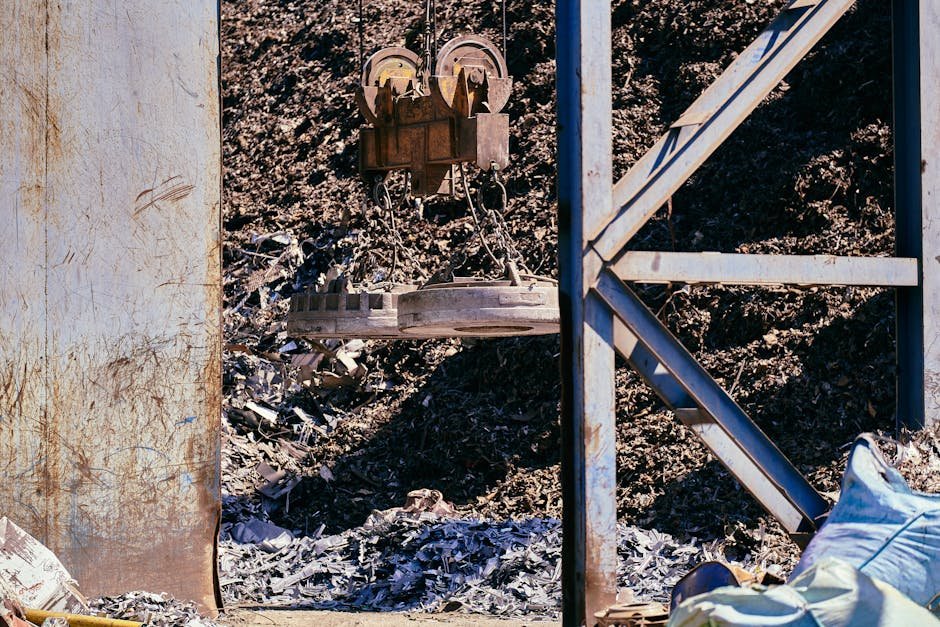
The recycling process begins with collection and sorting. Advanced facilities use electromagnetic separators to pull ferrous materials from mixed waste streams. Once sorted, the steel is cleaned of contaminants like plastic, rubber, or non-ferrous metals. This is a critical step because impurities can compromise the quality of the new steel produced in electric arc furnaces. For those interested in the technical specifications of material quality, understanding Steel Scrap Grading 1 Prepared 2 Prepared Shredded is essential, as these grades dictate the market demand and the processing requirements at the mill.
Beyond basic structural steel, many recyclers also handle high-value alloys. For instance, if you are dealing with specialized components, checking the current Stainless Steel Scrap Price is a smart move before heading to the facility. The transformation of scrap into new steel products consumes approximately 75% less energy than producing steel from virgin iron ore, making it an environmental cornerstone of modern industrial manufacturing.
Drop-Off vs. Pickup: Choosing the Right Logistics
Managing the logistics of scrap metal is often the biggest hurdle for sellers. Whether you choose a drop off at a local recycling centre or opt for a professional pickup service depends largely on the volume, weight, and nature of your scrap.
Drop-off advantages: For smaller quantities, such as household sheet metal offcuts or old appliances, dropping your material off at a facility is usually the most cost-effective method. It allows you to weigh your material immediately and often results in faster payment. It is also the best way to build a relationship with your local yard, where you can learn about specific requirements for sorting your loads to get the best steel price per tonne.
Pickup service advantages: If you are a commercial entity or a demolition contractor, a pickup service is indispensable. Professional recyclers can provide skip bins or flatbed truck services to remove large volumes of heavy scrap. This not only saves on labor costs but also ensures that heavy materials are handled safely and in accordance with site health and safety regulations. In the context of industrial operations, knowing How Recyclers Find Industrial Scrap Sellers can help your business establish long-term contracts that guarantee consistent removal of scrap as it is generated, keeping your workspace clear and efficient.
Environmental Impact and the Circular Economy
The environmental case for working with reputable steel recyclers is undeniable. Every tonne of steel recycled prevents the mining of 1,250 kilograms of iron ore, 740 kilograms of coal, and 120 kilograms of limestone. In Australia, where the mining industry is a significant economic driver, the transition toward a circular economy represents a massive opportunity to reduce the carbon footprint of our construction and manufacturing sectors.
By diverting scrap from landfills, we prevent the leaching of heavy metals into the soil and groundwater. Furthermore, the energy savings associated with recycling contribute directly to Australia’s commitment to lowering industrial greenhouse gas emissions. When you choose to recycle, you are not just clearing space; you are participating in a global supply chain that values resource efficiency. Companies like malagametal recyclers are examples of how regional facilities contribute to this broader goal by providing localized processing power that reduces the carbon cost of transporting scrap over long distances.
Maximizing Your Returns: Tips for Sellers
To get the best value for your scrap, preparation is key. Many sellers make the mistake of mixing materials, which forces the recycler to downgrade the entire load to the lowest common denominator price. Here are some expert tips to maximize your return:
- Segregate your metals: Keep ferrous metal separate from non-ferrous metals like copper, brass, and aluminium.
- Clean your scrap: Remove non-metallic attachments such as wood, insulation, or concrete. Clean steel is processed faster and commands a higher price.
- Understand the market: The steel price per tonne is volatile and fluctuates based on global demand. Monitor market trends and avoid selling during periods of extreme market saturation.
- Volume matters: Larger, consistent loads are more attractive to recyclers. If you have recurring scrap, talk to the facility about a long-term agreement.
- Use reputable platforms: Utilize resources like Scrap Trade Australia to find verified buyers and stay updated on industry standards.
By following these practices, you transform from a casual seller into a strategic partner in the scrap supply chain. This professional approach is what top-tier recyclers look for, and it often leads to better service, faster payment terms, and more reliable pickup schedules.
The Role of Technology in Modern Recycling
The scrap industry is no longer just about manual sorting and heavy machinery. Today, technology is at the heart of the recycling process. Modern recycling centre facilities now employ X-ray fluorescence (XRF) analyzers to determine the exact alloy composition of scrap in seconds. This ensures that high-grade steel is not accidentally mixed with lower-grade material, which in turn ensures that the resulting recycled steel meets the strict quality standards required for automotive, aerospace, and construction applications.
Digital platforms have also revolutionized the industry. Sellers can now track their scrap shipments, view real-time market data, and manage their environmental reporting through integrated software solutions. This level of transparency is essential for businesses that need to prove their sustainability credentials to stakeholders. If you want to learn more about how technology is shaping the industry, you can visit our main portal to see how we connect sellers with the most efficient recycling solutions in the country.
Safety and Compliance in Scrap Handling
Safety is the primary concern for any professional recycler. Handling heavy sheet metal, jagged edges, and massive steel beams requires specialized equipment and rigorous training. When you are looking for a recycler, ensure they have the necessary environmental licenses and safety certifications. A legitimate recycler will always provide documentation for the disposal of hazardous materials if they are found within a scrap load.
Furthermore, compliance with local council regulations regarding the storage and transport of scrap is mandatory. Unregulated dumping or improper handling can lead to significant fines. By choosing a professional, you shift the burden of compliance to experts who understand the legal landscape of waste management in Australia. This is particularly important for industrial sellers who may be liable for the environmental impact of their waste stream until it is officially processed.
Future Trends: Where is the Industry Heading?
The future of the steel recycling industry is bright, driven by the global push for net-zero emissions. We are seeing an increase in the demand for “green steel,” which is produced using renewable energy. Recycled steel is the primary feedstock for this green production model. As the b2b steel market continues to evolve, we expect to see more automated sorting technologies, such as AI-driven robotics, which will further improve the purity of recycled steel.
Additionally, there is a growing trend toward “urban mining,” where cities are viewed as reservoirs of raw materials. Instead of looking for new iron ore deposits, the industry is focusing on recovering the millions of tonnes of steel currently locked in our infrastructure and buildings. This shift in perspective will likely lead to more sophisticated collection networks and a more stable, albeit complex, pricing structure for scrap steel in the coming decade.
Conclusion
Navigating the world of steel recyclers does not have to be a daunting task. By understanding the basics of scrap grading, the importance of logistics, and the environmental benefits of your actions, you can turn your waste into a valuable resource. Whether you are a small business owner or a large industrial operator, the key to success lies in preparation, building strong relationships with your local recyclers, and staying informed about market conditions. By choosing to recycle, you are contributing to a more sustainable Australia and ensuring that our valuable metal resources are preserved for future generations.
Related: b2b steel market
Frequently Asked Questions
What is the difference between ferrous and non-ferrous scrap?
Ferrous metals contain iron and are magnetic, such as mild steel and sheet metal. Non-ferrous metals do not contain iron and include materials like copper, aluminium, and brass, which generally hold a higher market value.
How can I get the best price for my scrap steel?
To get the best price, ensure your scrap is clean, free of non-metallic contaminants, and sorted by grade. Contacting your local recycler beforehand to understand their current requirements and volume incentives can also help maximize your return.
Is it better to drop off or use a pickup service?
Drop-off is usually better for small, manageable loads where you want immediate payment. A pickup service is recommended for large, heavy, or industrial volumes where safety and logistics efficiency are the primary concerns.
Why does the steel price per tonne change so often?
The price of scrap steel is driven by global supply and demand, the cost of raw materials like iron ore and coal, and manufacturing activity. Because these factors fluctuate daily, scrap prices are subject to frequent market adjustments.