
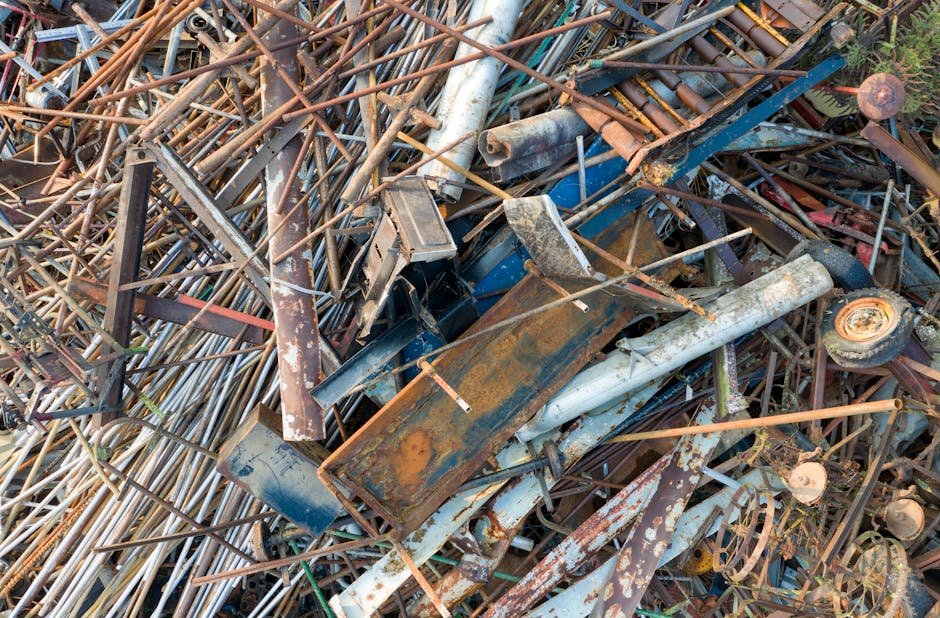

Navigating the world of scrap metal Brisbane requires a deep understanding of market dynamics, material classification, and the local regulatory landscape. Whether you are a trade contractor, a demolition expert, or a residential recycler, knowing how to maximize the value of your materials is essential for both your bottom line and the environment. As the capital of QLD, Brisbane serves as a central hub for metal recovery, connecting the industrial sectors of the Gold Coast and the Sunshine Coast into a cohesive circular economy.
The Fundamentals of Scrap Metal Grades
Understanding the difference between ferrous and non-ferrous metals is the first step for anyone looking to engage with a scrap metal yard brisbane. Ferrous metals, which contain iron, are magnetic and generally include steel, iron, and cast iron. These are the backbone of the construction industry in Queensland. Non-ferrous metals, on the other hand, do not contain iron and are highly prized for their resistance to corrosion and their infinite recyclability. This category includes copper, aluminium, brass, lead, and stainless steel.
Copper is arguably the most valuable scrap metal. You will find it in various grades, such as ‘Bright and Shiny’ (stripped copper wire), ‘Copper Pipe’ (plumbing scrap), and ‘Number 2 Copper’ (copper with solder or paint). Aluminium is equally important, especially in the automotive and aerospace industries. When you look to Sell Scrap Metal Near Me In 2026, ensuring your materials are clean and free of contaminants like plastic, rubber, or excessive dirt will significantly improve your payout.
Stainless steel is another major player in the Brisbane scrap market. It is graded based on its nickel content. High-nickel stainless steel, often found in industrial kitchen equipment or chemical processing tanks, commands a higher price than lower-grade variants. By separating these metals before arriving at the yard, you demonstrate professional standards that often lead to better pricing tiers.
How the Recycling Process Works in Queensland
The journey of a piece of scrap metal from a demolition site to a new product is a sophisticated logistical operation. Once you deliver your materials to a facility for Scrap Metal Recycling Near Me, the process follows a strict sequence: collection, sorting, processing, and melting. In Brisbane, advanced facilities use X-ray fluorescence (XRF) technology to identify metal alloys instantly, ensuring that high-grade materials are not mixed with lower-grade scrap.
Sorting is the most critical stage. Magnets are used to separate ferrous metals from the stream, while eddy current separators are employed to isolate non-ferrous metals like aluminium. Once sorted, the metal is shredded or sheared into smaller pieces to increase its surface area, which makes the subsequent melting process more energy-efficient. These processed materials, known as ‘melt-ready’ scrap, are then shipped to foundries across Australia or exported to international markets to be forged into new steel beams, copper wiring, or aluminium cans.
The role of the professional metal trading platform is to provide transparency in this supply chain. By utilizing digital tools to track market fluctuations, businesses can time their sales to coincide with peak demand, ensuring that the circular economy remains profitable for all stakeholders involved in the QLD metal trade.
Environmental Benefits and Sustainability
Recycling scrap metal is one of the most effective ways to reduce the environmental footprint of heavy industry. Mining virgin ore is an energy-intensive and ecologically destructive process that involves massive land clearing, water usage, and carbon emissions. In contrast, recycling aluminium saves approximately 95% of the energy required to produce the same amount of metal from raw bauxite ore. For steel, the energy savings are roughly 75%.
In the context of Southeast Queensland, where urban development is rapidly expanding, the demand for building materials is higher than ever. By reintroducing recycled steel into the supply chain, we drastically reduce the need for new mining operations. Furthermore, scrap metal recycling prevents hazardous materials from ending up in landfills. Lead-acid batteries, for instance, contain toxic chemicals that can leach into the soil and groundwater if not handled correctly by certified recycling centers.
Choosing to recycle your scrap is a direct contribution to the sustainability goals of the Brisbane City Council and the broader Queensland government. It supports a local industry that creates jobs while simultaneously protecting our unique natural environment from the long-term impacts of resource extraction.
Maximizing Your Returns: Tips for Sellers
If you are looking for cash for scrap metal brisbane, preparation is key. The scrap market is global, and local prices are influenced by factors like the London Metal Exchange (LME) and currency exchange rates. You can stay ahead of the curve by checking Scrap Metal Prices regularly. Here are some expert tips to ensure you get the best value for your materials:
- Segregate your metals: Never mix your metals. A bin full of copper that contains steel contaminants will be downgraded to the price of the lowest-value metal in the container.
- Clean your materials: Remove non-metallic attachments. If you are recycling copper wire, stripping the insulation off will yield a higher price per kilogram.
- Volume matters: Larger quantities often allow for better negotiation. If you have a significant amount of scrap, contact the yard in advance to discuss logistics and pricing.
- Know your grades: Familiarize yourself with the visual characteristics of different metals. If you are unsure what you have, ask the yard staff for a breakdown.
By treating your scrap as a valuable commodity rather than ‘trash,’ you shift your perspective from a disposal mindset to a trading mindset. This is the hallmark of successful contractors and businesses operating in the Brisbane metro area.
The Future of Metal Trading in Brisbane
The future of the scrap metal industry is digital. As we look towards 2026 and beyond, the integration of blockchain and real-time data analytics will provide greater traceability for recycled materials. This is particularly important for ‘green steel’ initiatives, where manufacturers need to prove the recycled content of their products to meet international environmental standards. Brisbane is perfectly positioned to lead this transition, thanks to its robust infrastructure and proximity to major shipping ports.
Platforms like the leading scrap metal marketplace are already bridging the gap between small-scale collectors and large-scale industrial consumers. By standardizing the way we categorize and trade scrap, we increase efficiency and reduce the ‘leakage’ of valuable resources into landfills. Whether you are operating on the Gold Coast or the Sunshine Coast, the ability to access accurate, real-time market data is no longer a luxury—it is a necessity for anyone serious about the metal trade.
Safety and Regulatory Compliance
Safety is non-negotiable in the scrap metal industry. Handling heavy, sharp, or potentially hazardous materials requires proper personal protective equipment (PPE), including gloves, steel-capped boots, and high-visibility clothing. When transporting scrap, ensure that your load is properly secured to prevent accidents on the road. Queensland transport regulations are strict regarding the transportation of industrial waste and scrap metal; failing to secure your load can lead to significant fines.
Furthermore, environmental compliance is essential. Many scrap yards in Brisbane are subject to strict EPA (Environmental Protection Agency) regulations regarding the handling of hazardous waste, such as refrigerants found in old air conditioning units or oil in discarded machinery. Always ensure that the facility you choose is licensed and follows ethical recycling practices. A reputable yard will be transparent about their processes and will always provide you with a fair assessment of your materials.
By adhering to these standards, you not only protect yourself and your workers but also contribute to the professional reputation of the entire recycling sector in QLD. As the industry evolves, the focus on safety and environmental stewardship will only continue to intensify, making it vital for all participants to stay informed and compliant.
Conclusion: Taking Action in Brisbane
The scrap metal industry in Brisbane is a vital component of the local economy and a cornerstone of our environmental sustainability efforts. Whether you are a small business owner looking to clear out a worksite or a large industrial firm managing ongoing waste streams, understanding the nuances of metal grades, market pricing, and proper recycling procedures is essential. By choosing to work with reputable yards and utilizing digital resources, you can turn your scrap into a reliable revenue stream while supporting the circular economy.
Remember that every kilogram of metal you recycle helps to conserve natural resources and reduce the energy consumption associated with manufacturing. As we move forward, the commitment of Queenslanders to responsible recycling will continue to shape the industry. Take the time to sort your materials, stay updated on market trends, and partner with the right professionals to ensure that your scrap metal Brisbane activities are as profitable and sustainable as possible.
Frequently Asked Questions
What is the most valuable scrap metal to recycle in Brisbane?
Copper is generally the most valuable scrap metal due to its high demand in electrical and plumbing industries. Other high-value metals include brass and clean, high-grade aluminium.
Do I need to clean my scrap metal before taking it to a yard?
Yes, cleaning your scrap by removing plastic, rubber, and other non-metallic attachments will significantly increase the price you receive. Clean, segregated loads are always valued higher than mixed or contaminated scrap.
How do scrap metal prices fluctuate in Queensland?
Prices are driven by global supply and demand, the London Metal Exchange (LME) commodity rates, and the strength of the Australian dollar. Local demand in Southeast Queensland can also influence short-term pricing.
Is it safe to recycle old appliances?
Yes, but you must ensure that any hazardous components, such as refrigerants in air conditioners or oil in compressors, are handled by licensed professionals. Most reputable Brisbane scrap yards will guide you on how to safely prepare these items.