

Navigating the world of scrap steel buyers requires a solid understanding of how the circular economy functions within Australia. Whether you are a construction firm clearing a site, a manufacturer with industrial offcuts, or a small business owner, finding the right partner to process your ferrous metal is essential for both profitability and environmental compliance. Because the market fluctuates based on global demand, knowing exactly who to trust and how to value your material is the first step in successful metal trading.
Understanding the Role of Scrap Steel Buyers in Australia
The Australian scrap metal industry serves as the backbone of domestic manufacturing and international trade. When you search for scrap steel buyers, you are looking for entities that possess the infrastructure to collect, sort, process, and transport vast quantities of metal. These buyers of metal scrap act as the vital link between waste generation and the production of new steel. By diverting thousands of tonnes from landfills, they ensure that the energy embedded in the original production of the steel is not lost.
A professional scrap buyer does more than just weigh your load; they provide a service that includes logistics, site clearance, and environmental reporting. In cities like Western Australia, specialized services such as scrap steel buyers in perth have become essential for the mining and construction sectors. These businesses are equipped to handle heavy-duty ferrous materials, including structural beams, plate, and pipe, ensuring that they are properly graded and prepared for the furnace. For those looking to expand their reach, understanding How To Find Overseas Scrap Buyers can be a game-changer when dealing with high-volume exports.
How Steel Pricing and Grading Works
The steel price per tonne is never static. It is influenced by the London Metal Exchange (LME), global iron ore prices, shipping costs, and domestic demand. When you approach a scrap steel buyer, the price you receive will depend heavily on the grade of the material provided. Steel is primarily categorized as ferrous metal, meaning it contains iron and is magnetic. However, not all steel is created equal.
- Heavy Melting Steel (HMS): This is the industry standard for scrap. HMS 1 and 2 are common grades used in construction and heavy demolition.
- Mild Steel: Often found in structural applications, this is highly sought after due to its versatility and ease of recycling.
- Sheet Metal: This includes thinner steel components, such as roofing, cladding, and automotive panels. It is often classified as light iron and may command a lower price per tonne due to its higher oxidation rate and processing requirements.
- Stainless Steel: While technically a separate category, it is vital to track the Stainless Steel Scrap Price as it contains chromium and nickel, making it significantly more valuable than standard mild steel.
For a detailed breakdown of how these classifications impact your bottom line, refer to our Scrap Steel Comprehensive Guide For Sellers And Buyers. Understanding these grades allows you to segregate your materials on-site, which can significantly increase your payout.
The Recycling Process: From Scrap to New Steel
The journey of a piece of scrap steel is a marvel of industrial efficiency. Once it leaves your site, it undergoes a rigorous transformation. First, the metal is collected and transported to a processing facility. Here, the trusted dealers use advanced machinery, including shears, shredders, and balers, to reduce the volume of the scrap. Large structural beams are cut to size, while smaller sheet metal is shredded into fist-sized pieces.
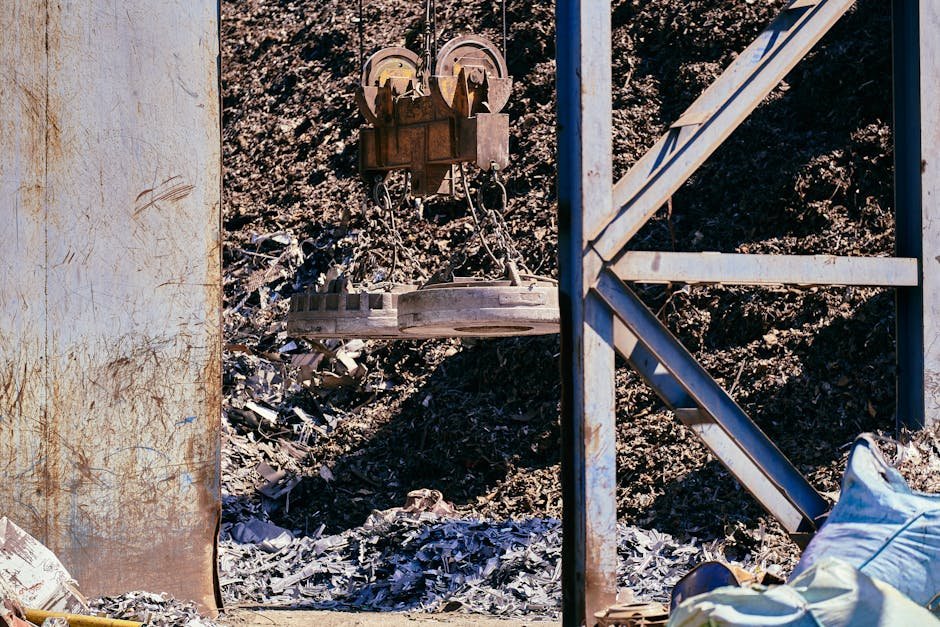
Magnetic separation is the next critical phase. Because steel is ferrous, powerful magnets are used to lift the steel away from non-ferrous contaminants like copper, aluminum, or plastic. Once the steel is clean and graded, it is melted down in an Electric Arc Furnace (EAF). This process is far more energy-efficient than producing steel from raw iron ore. The molten steel is then cast into billets or slabs, ready to be rolled into new products. This closed-loop system is why the Australian steel industry is increasingly focused on sustainability. For more information on local industry standards, visit professional metal recycling services.
Environmental Benefits of Recycling Steel
The environmental case for using professional scrap steel buyers is undeniable. Steel is infinitely recyclable—it can be melted down and reformed indefinitely without losing its physical properties. When we recycle steel, we drastically reduce the need for mining virgin iron ore and coal, which are the primary raw materials for new steel production. Mining is an energy-intensive process that leaves significant ecological footprints, including land degradation and water pollution.
By choosing to recycle, you are directly contributing to a reduction in greenhouse gas emissions. Producing steel from scrap consumes approximately 75% less energy than producing it from virgin materials. Furthermore, recycling reduces the volume of waste sent to landfills, which helps local councils manage waste more sustainably. For businesses, engaging with certified recyclers also helps in achieving ESG (Environmental, Social, and Governance) targets, which are increasingly important for project tenders and government contracts.
How to Find and Evaluate Trusted Dealers
Finding the right partner is not just about the highest price; it is about reliability, safety, and transparency. A trusted dealer will offer clear documentation for every load, including weight dockets and environmental certifications. When searching for a partner, consider the following:
- Transparency: Do they provide a clear breakdown of how they calculated your payout based on current market rates?
- Logistics: Do they offer bin services, skip hire, or on-site collection? For large-scale industrial operations, the ability to remove scrap quickly is as important as the price.
- Compliance: Are they compliant with local EPA (Environmental Protection Authority) regulations?
- Technology: Do they use calibrated weighbridges? Accurate weighing is the cornerstone of trust in the scrap industry.
Always verify that your chosen metal buyer has a solid reputation in the industry. You can check trade associations or use online platforms to read reviews and verify their operational history. Avoid buyers who are unwilling to provide a breakdown of their pricing or who operate without clear signage and safety protocols.
Logistics and Site Safety for Scrap Removal
Managing scrap on-site requires a focus on safety and efficiency. If you are dealing with heavy structural steel, you must ensure that your team is trained in safe handling and loading procedures. Many scrap steel buyers will provide on-site bins or skips to help you segregate your metals. Proper segregation is the most effective way to maximize your revenue, as mixed loads are often downgraded to the lowest common denominator price.
When planning for the removal of large quantities of scrap, communicate clearly with your buyer about the volume and the nature of the material. For instance, if you have hazardous materials or contaminated steel (such as steel coated in lead-based paint or asbestos-containing materials), you must disclose this upfront. Professionals will have the protocols to handle these materials safely or will advise you on the necessary remediation steps. Never attempt to hide contaminants in a load; this will lead to rejection of the material and potential legal repercussions.
The Future of the Australian Scrap Market
The Australian scrap metal market is evolving, driven by technological advancements and a global shift toward a circular economy. We are seeing increased investment in automated sorting technologies, such as X-ray fluorescence (XRF) analyzers, which allow for the precise identification of steel alloys. This means that in the future, the valuation of scrap will become even more granular and accurate.
Furthermore, as global demand for green steel grows, the value of high-quality scrap is expected to rise. Steelmakers are increasingly looking for clean, high-grade scrap to blend with their production processes to meet carbon neutrality goals. For sellers, this means that investing time in proper sorting and cleaning of your scrap today will likely pay dividends in the future. Stay informed by following market trends and utilizing digital platforms that connect sellers directly with end-users and international markets.
Conclusion: Maximizing Value Through Professional Partnerships
Engaging with professional scrap steel buyers is a strategic decision that impacts your operational efficiency, your environmental footprint, and your bottom line. By understanding the nuances of grading, staying updated on market fluctuations, and choosing partners who prioritize transparency and safety, you can turn a waste management challenge into a profitable resource stream. Whether you are dealing with mild steel, sheet metal, or complex alloys, the key is to treat your scrap as a valuable commodity. Use the resources available on our platform to stay informed, track prices, and connect with the right buyers to ensure you are getting the best possible value for your material.
Related: buyers of metal scrap
Frequently Asked Questions
How can I get the best price for my scrap steel?
To get the best price, you should segregate your metals by grade, keep them clean from debris and non-metallic contaminants, and sell in larger volumes. Monitoring current market trends and comparing quotes from multiple trusted dealers is also essential.
What is the difference between ferrous and non-ferrous scrap?
Ferrous metals contain iron and are magnetic, such as mild steel and sheet metal. Non-ferrous metals do not contain iron and are generally more valuable, including copper, aluminium, and stainless steel.
Do scrap buyers offer collection services for large sites?
Yes, most professional scrap steel buyers offer industrial bin services, skip hire, and on-site collection for large-scale demolition or construction projects. It is best to contact them in advance to arrange logistics.
Is it safe to scrap steel that has been painted or coated?
While most painted steel is recyclable, you must disclose any hazardous coatings, such as lead-based paint or asbestos, to your buyer. Professional recyclers have specific protocols for handling contaminated materials safely.