
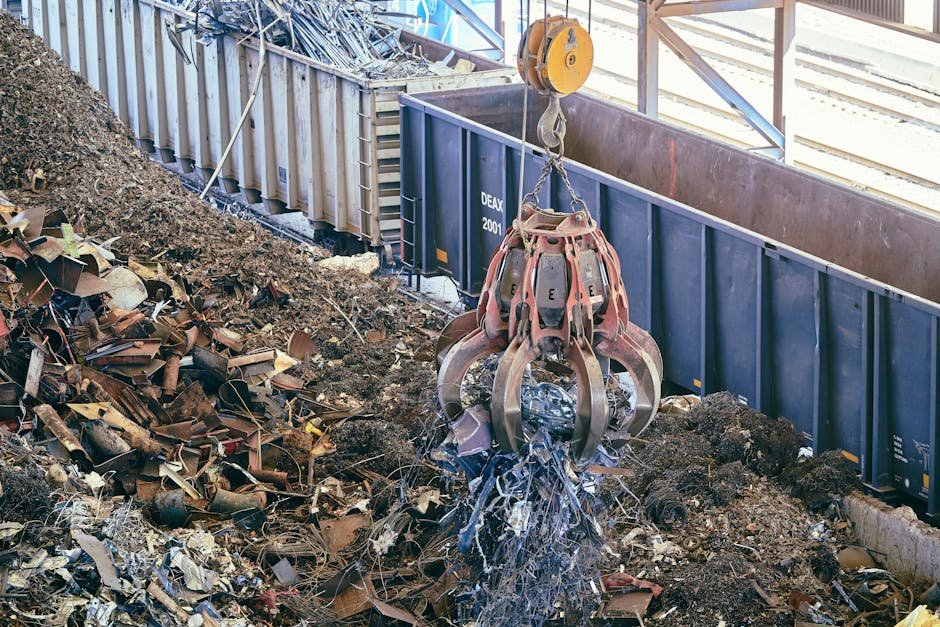

Navigating the complex landscape of brisbane scrap metal recycling requires a deep understanding of market dynamics, material classification, and local industry standards. As the industrial heart of Southeast Queensland, the region serves as a critical hub for the circular economy, where scrap metal is transformed from industrial waste into valuable commodities. Whether you are a construction firm clearing a site or a homeowner looking to dispose of old appliances, understanding how to effectively manage your metal waste is essential for both economic gain and environmental stewardship.
The Evolution of Brisbane Scrap Metal Recycling
The industry has undergone a massive transformation in recent years. Historically, recycling was viewed merely as a waste management necessity, but today, it is a sophisticated sector of the global supply chain. In Brisbane, the integration of advanced sorting technologies and global trading platforms has made the process more transparent and profitable for suppliers. When you engage in scrap metal brisbane services, you are participating in a sophisticated logistics network that spans from the Sunshine Coast down to the Gold Coast.
Understanding the difference between raw scrap and processed material is vital. Modern facilities in QLD now utilize X-ray fluorescence (XRF) analyzers to determine the exact chemical composition of alloys, ensuring that high-grade materials are not downgraded during the recycling process. This level of precision is what separates professional recyclers from general waste collectors. If you are curious about how the industry functions at a professional level, you might want to explore the nuances of Scrap Trading Vs Recycling Business models to better understand where your materials end up.
Understanding Metal Grades and Classifications
To maximize the value of your scrap, you must understand how materials are graded. Ferrous metals, which contain iron, are generally magnetic and include steel and iron. Non-ferrous metals, such as copper, aluminum, brass, and lead, are highly prized for their durability and lack of magnetism. In Queensland, copper remains one of the most sought-after commodities due to its widespread use in electrical infrastructure and construction.
When preparing your materials, keep these grades in mind:
- Copper: Categorized as Bright Shiny (No. 1), Burnt, or Insulated. Removing insulation significantly increases the value per kilogram.
- Aluminum: Includes extrusions, cast aluminum, and UBC (Used Beverage Cans). Clean extrusions usually fetch the highest prices.
- Brass: Often found in plumbing fixtures, taps, and valves. Ensure it is free of iron attachments to avoid being downgraded.
- Stainless Steel: Look for the 304 or 316 grade markings. These are non-magnetic and highly resistant to corrosion.
For those looking to optimize their logistics, knowing how to Sell Scrap Metal Near Me In 2026 will be a key skill as market volatility continues to influence pricing. Always ensure that your scrap is sorted by type, as mixed loads are often purchased at the lowest common denominator price.
The Environmental Impact of Recycling in QLD
The environmental case for recycling is irrefutable. Mining virgin ore is an energy-intensive process that results in significant carbon emissions, habitat destruction, and water pollution. By recycling metal, we save up to 95% of the energy required to produce aluminum from bauxite, and roughly 75% for steel. In the context of Southeast Queensland, where urban development is rapidly expanding, the pressure on natural resources is immense.
Brisbane scrap metal recycling plays a pivotal role in reducing the carbon footprint of the construction and manufacturing sectors. By keeping metals in the loop, we reduce the need for landfills and decrease the demand for new mining operations. This circular approach is supported by local government initiatives aimed at reducing industrial waste across the state. For businesses, adopting sustainable metal management practices is not just an ethical choice; it is becoming a regulatory and competitive necessity.
Logistics and Finding Reliable Facilities
Finding a reputable facility is the most important step in the recycling process. Whether you are located in the northern suburbs or near caboolture scrap metal recycling centers, you should look for companies that offer transparent weighing, fair pricing, and environmental compliance. A professional facility will provide you with a clear breakdown of your load, including deductions for non-metal contaminants.
If you are searching for a partner, start by looking for a Scrap Metal Recycling Near Me search result that shows verified customer reviews and clear contact information. A good recycler will also offer logistical support, such as bin drop-off services for large industrial sites, which can save you significant time and transport costs. You can learn more about finding reputable partners via the leading scrap metal trading platform or by visiting the official industry portal for Australian scrap metal traders.
Maximizing Profitability: Tips for Sellers
To ensure you get the best return on your scrap, preparation is key. Here are several expert tips:
- Clean Your Scrap: Remove plastic, wood, and rubber attachments. A clean load is always worth more than a dirty one.
- Sort by Metal Type: Never mix copper with steel or aluminum. Segregation prevents cross-contamination and ensures you are paid the top-tier price for each metal type.
- Monitor Market Trends: Metal prices fluctuate based on global supply and demand. Keep an eye on market reports to time your sales during peak price periods.
- Build Relationships: If you are a commercial operator, establish a long-term relationship with a specific yard. Consistent volume often leads to better pricing tiers.
By treating your scrap as a valuable asset rather than waste, you shift your business model toward efficiency. In a bustling market like Brisbane, those who take the time to prepare their materials correctly always outperform those who treat recycling as an afterthought.
The Future of Brisbane Scrap Metal Recycling
The future of the industry in Queensland is bright, driven by technological advancements and a growing societal commitment to sustainability. We are seeing the rise of “smart recycling” where IoT sensors in collection bins track fill levels and material types in real-time. This data-driven approach allows for more efficient collection routes, reducing the fuel consumption of transport vehicles across the Gold Coast and Sunshine Coast.
Furthermore, as we look toward 2026 and beyond, the integration of blockchain technology in the scrap trade is expected to increase transparency. This will allow sellers to track their material from the moment it leaves their site to the final smelting process, ensuring that ethical and environmental standards are met throughout the entire supply chain. Brisbane is well-positioned to lead this transition due to its robust infrastructure and proximity to major shipping ports.
Safety and Compliance Standards
Safety is the cornerstone of any professional scrap operation. Handling heavy metals, sharp edges, and industrial machinery presents significant risks. Compliance with Work Health and Safety (WHS) regulations in Queensland is mandatory for all businesses involved in the scrap trade. This includes the proper use of Personal Protective Equipment (PPE), such as gloves, steel-toed boots, and high-visibility vests when visiting a yard.
Additionally, environmental compliance is non-negotiable. Facilities must be equipped with spill containment systems and proper waste management protocols to prevent hazardous materials, such as lead-acid batteries or oils, from entering the local ecosystem. When choosing a recycler, always confirm they hold the necessary licenses to operate within the Brisbane council area. A compliant facility is not just safer for the community; it is also more reliable for your business needs.
Conclusion: Taking Action Today
Brisbane scrap metal recycling is more than just a way to clear out a shed or a warehouse; it is a critical component of a sustainable future. By understanding the grades, preparing your materials, and choosing the right partners, you can turn your waste into a significant revenue stream while contributing to the health of the Queensland environment. Whether you are a small-scale recycler or a large industrial firm, the principles of sorting, cleaning, and strategic selling remain the same. Start by auditing your current waste streams and identifying the high-value materials that are currently being overlooked. With the right approach, you can maximize your returns and support the circular economy that is driving growth across the Sunshine Coast, the Gold Coast, and the wider Brisbane region.
Frequently Asked Questions
What is the most valuable metal to recycle in Brisbane?
Copper is consistently the most valuable common scrap metal due to its high demand in electrical and plumbing industries. Other high-value metals include brass and certain grades of stainless steel.
Do I need to clean my scrap metal before taking it to a yard?
Yes, cleaning your scrap by removing non-metal attachments like plastic, wood, or rubber is essential. Clean, sorted scrap receives a significantly higher price than mixed or dirty loads.
How do I find the current price for scrap metal in Queensland?
Scrap metal prices fluctuate daily based on global market conditions. You can monitor industry websites or contact your local Brisbane yard directly for the most current daily rates.
Is it legal to collect and sell scrap metal in Brisbane?
Yes, it is legal, but you must comply with local waste management regulations and ensure you are not collecting stolen goods. Professional yards are required to keep records of transactions to prevent the trade of illicit materials.