
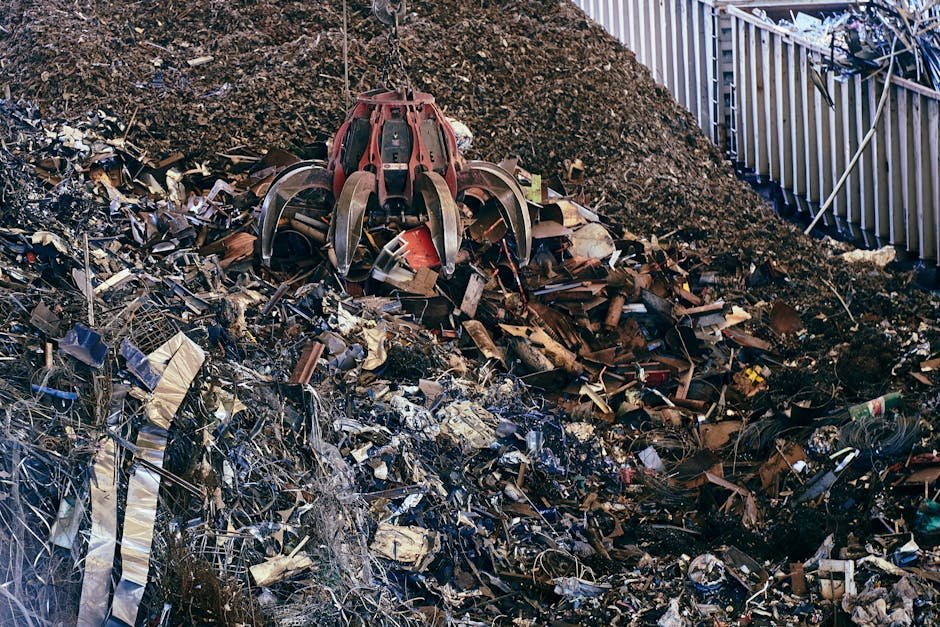

When you search for a scrap dealer near me, you are taking the first step toward participating in a circular economy that preserves natural resources and reduces industrial waste. Whether you are a homeowner clearing out a garage or a trade contractor managing site waste, understanding the nuances of the scrap metal industry is essential for maximizing value and ensuring responsible disposal. Navigating the landscape of local metal recycling can be complex, but with the right knowledge, you can transform waste into a revenue stream while supporting sustainable practices across Australia.
Understanding the Scrap Metal Industry and Market Dynamics
The global scrap trade is a sophisticated network that bridges the gap between waste generation and manufacturing. To truly understand the industry, one must first explore What Is Scrap Trade and how it functions as the backbone of the modern metals industry. Scrap metal is not merely trash; it is a high-value commodity that can be melted down and repurposed infinitely without losing its inherent properties. In Australia, the industry is governed by strict environmental regulations, ensuring that hazardous materials are handled with care.
When you engage with a scrap metal dealer, you are interacting with a vital link in the supply chain. These professionals sort, grade, and process materials to meet the stringent requirements of smelters and refineries. Whether you are dealing with copper cabling, steel beams, or aluminum offcuts, the value is determined by the purity and the current LME (London Metal Exchange) pricing. For those operating internationally, it is useful to compare local practices with international standards, such as the operational models seen with a Scrap Dealer India, which highlights the global nature of metal demand.
Identifying Metal Grades: Ferrous vs. Non-Ferrous
The primary factor in determining your payout is the distinction between ferrous and non-ferrous metals. Ferrous metals contain iron, are magnetic, and are generally found in construction materials, appliances, and automotive parts. Because they are abundant, they often command lower prices per kilogram compared to non-ferrous metals. However, the sheer volume of ferrous scrap makes it a cornerstone of the recycling industry.
Non-ferrous metals, which include copper, aluminum, brass, lead, and stainless steel, are non-magnetic and highly valuable. For instance, an aluminium scrap dealer will look for clean, high-grade aluminum, such as window frames or engine blocks, which are free of contaminants like plastic or steel attachments. Identifying these grades accurately is the best way to ensure you get the best price when you Sell Scrap at your local facility.
- Copper: The gold standard of scrap. Look for bright, shiny wire (bare bright) for the highest returns.
- Aluminum: Lightweight and corrosion-resistant. Common in extrusions and castings.
- Brass: An alloy of copper and zinc, often found in plumbing fixtures and fittings.
- Stainless Steel: Valued for its nickel and chromium content.
- Steel/Iron: Found in structural steel, car bodies, and heavy machinery.
How the Recycling Process Works at a Local Scrap Yard
Once you arrive at a scrap dealer near me, the process is highly systematic. First, your material is weighed on a certified weighbridge or digital scale. The metal is then inspected for contaminants. Contamination—such as plastic insulation on wires, oil in machinery, or dirt—significantly lowers the scrap value because it complicates the melting process. Advanced facilities use XRF (X-ray fluorescence) analyzers to determine the exact chemical composition of metal alloys, ensuring that high-grade materials are not mixed with lower-grade scrap.
After grading, the metal undergoes mechanical processing. This includes shredding, shearing, or baling. Shredders break down large items into smaller pieces, allowing magnetic separators to pull out ferrous metals while eddy current separators push out non-ferrous metals. This high-tech approach ensures that almost every piece of metal is recovered. By utilizing a professional scrap metal dealer, you ensure that your materials are processed according to Australian environmental standards, preventing heavy metals from leaching into landfills and groundwater.
Environmental Benefits of Metal Recycling
The environmental case for recycling is undeniable. Mining for virgin ore is an energy-intensive process that results in significant carbon emissions, habitat destruction, and water pollution. Recycling aluminum, for example, requires 95% less energy than producing it from bauxite ore. Similarly, recycling steel saves approximately 75% of the energy needed for primary production.
By choosing a nearby recycler, you are actively reducing the carbon footprint of your waste. When metal is recycled, it stays in the economy, reducing the need for new mining operations. This circularity is essential for Australia’s commitment to reaching net-zero emissions. Furthermore, responsible recycling prevents toxic substances like lead and mercury from entering the environment, which is a common risk when scrap is illegally dumped or sent to landfills. Choosing a reputable dealer is a small action with a massive global impact.
Practical Tips for Maximizing Your Scrap Value
To get the most out of your trip to the scrap yard, preparation is key. Here are expert tips to ensure you are paid fairly:
- Sort your materials: Never mix different types of metal. A load of clean copper is worth significantly more than a load of mixed, dirty scrap.
- Clean your scrap: Remove non-metal attachments. Stripping insulation off copper wire can double or triple your payout.
- Know the market: Prices fluctuate daily. Check online resources or call your local yard before heading out to ensure you are aware of current trends.
- Use local services: Many yards offer local pickup for large quantities of industrial or commercial scrap. If you have a significant amount of material, it is often more cost-effective to have the dealer come to you.
- Check for certification: Ensure your chosen yard is licensed to handle hazardous materials, especially if you are recycling automotive parts or electronics.
For those looking for comprehensive resources on the Australian market, the Australian scrap metal trade portal provides excellent insights into regional pricing and industry standards. Additionally, you can find a wealth of educational content on the global scrap trade hub, which offers tools for both beginners and industry professionals.
The Future of Metal Recycling in Australia
The future of the scrap industry is increasingly digital and automated. We are seeing a shift toward ‘smart’ recycling, where AI-driven sorting robots identify and separate metals with greater precision than ever before. This technology allows for the recovery of rare earth metals found in modern electronics, which are becoming increasingly critical for the transition to renewable energy technologies like electric vehicles and wind turbines.
As Australia continues to tighten its waste export bans, the domestic capacity for processing scrap metal is expanding. This means that your local dealer is becoming more important than ever. By keeping scrap within the country, we are not only protecting the environment but also building a more resilient and self-sufficient manufacturing sector. Whether you are a small-scale recycler or a large industrial partner, your contribution to the Sell Scrap ecosystem is a vital part of Australia’s green future.
Common Pitfalls and How to Avoid Them
When searching for a scrap dealer near me, it is easy to fall for scams or unprofessional operators. Avoid any dealer that does not provide a clear, transparent weighing process. Always ask to see the scale as they weigh your material. Be wary of dealers who offer prices significantly higher than the market average, as this often indicates they will find ‘hidden’ deductions later in the process.
Another common mistake is failing to document your scrap. If you are a business, keeping records of your scrap disposal is often a legal requirement for environmental auditing. Ensure your dealer provides a proper receipt or weight ticket. Finally, always prioritize safety. Scrap metal can be sharp, heavy, and potentially contaminated. Wear appropriate personal protective equipment (PPE) such as gloves and steel-toed boots when handling and transporting your materials to the closest dealer.
Conclusion: Your Role in the Circular Economy
Finding a reliable scrap dealer near me is more than just a way to make extra cash—it is a commitment to sustainability. By understanding the grades of metal, the logistics of recycling, and the environmental impact of your choices, you become an informed participant in a global industry that is essential for the future of our planet. Whether you are recycling a few aluminum cans or a truckload of construction steel, every bit counts. Start by identifying the metals you have, sorting them with care, and choosing a reputable partner in your my area to ensure your materials are processed correctly. Together, we can continue to refine the scrap trade, turning yesterday’s waste into tomorrow’s resources.
Related: aluminium scrap dealer
Frequently Asked Questions
How do I find the best scrap dealer near me?
Look for a dealer with transparent weighing practices, positive online reviews, and clear certification. It is also helpful to call ahead to ask about their current rates for the specific metal you are recycling.
Why does sorting my scrap metal matter?
Sorting prevents cross-contamination, which allows the recycler to process the metal more efficiently and pay you a higher price. Mixed scrap is often downgraded to the value of the cheapest metal in the pile.
Is it worth stripping insulation off copper wire?
Yes, absolutely. ‘Bare bright’ copper is significantly more valuable than insulated wire because the recycler does not have to spend time and energy removing the plastic coating.
What items are generally not accepted at a scrap yard?
Most yards do not accept hazardous waste, radioactive materials, sealed containers like gas cylinders (unless certified empty), or items containing asbestos. Always check with your local yard if you are unsure.