
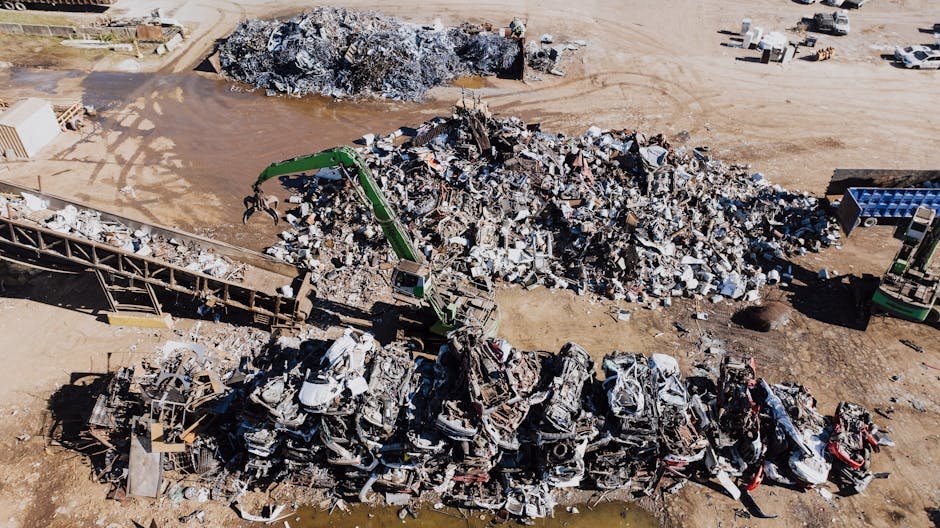

Navigating the complex ecosystem of scrap yards is essential for anyone looking to participate in the circular economy, whether you are a tradesperson, a demolition contractor, or a private individual. As a professional metal recycler, understanding how these facilities operate is the first step toward maximizing the value of your materials. When you visit scrap yards, you are not just disposing of waste; you are engaging in a sophisticated industrial process that preserves natural resources and reduces energy consumption. For those seeking convenience, finding scrap yards near me has become significantly easier through digital platforms that connect sellers directly to processing centers.
The Evolution of the Scrap Industry
The history of metal reclamation is as old as the discovery of fire, but modern scrap yards have evolved into high-tech facilities. In the past, these sites were often disorganized junkyards. Today, they are highly regulated, environmentally conscious hubs of industry. If you are researching Local Scrap Yards In 2026, you will notice a shift toward automation, precision weighing, and advanced material identification tools. Understanding What Is Scrap Trade is fundamental to grasping how global markets dictate local prices. Prices are rarely static; they fluctuate based on the London Metal Exchange (LME), currency exchange rates, and the global demand for raw commodities.
When you enter a modern Australian metal trading platform, you are stepping into a global supply chain. The industry relies on the constant flow of materials from the point of origin—be it a construction site or a household garage—to the final processing plant. Professionals who local scrap yards trust are those who maintain transparency regarding their grading processes and pricing structures. Whether you are a business owner or a hobbyist, knowing the difference between ferrous and non-ferrous metals is the primary differentiator between a profitable haul and a wasted trip.
Categorizing Scrap: Ferrous vs. Non-Ferrous
The foundation of metal recycling lies in the classification of materials. Scrap is broadly divided into two categories: ferrous and non-ferrous. Ferrous metals contain iron and are generally magnetic. Common examples include mild steel, carbon steel, stainless steel, and cast iron. Because of their abundance, ferrous metals are usually traded in higher volumes but at lower price points per kilogram compared to non-ferrous alternatives.
Non-ferrous metals, which include copper, aluminum, brass, lead, and zinc, are non-magnetic and highly resistant to corrosion. These materials are the ‘gold’ of the recycling industry. Because they retain their chemical properties indefinitely through the recycling process, they are incredibly valuable. For example, recycled copper requires significantly less energy to process than mining virgin ore. At a standard walk-in facility, you will often find separate bins or areas designated for these high-value metals. Sorting your scrap before arriving at the Local Scrap Yards In 2026 can drastically increase your payout, as mixed loads are often graded at the lowest common denominator price.
The Lifecycle of Recycled Metal
The journey from a discarded item to a new product is a multi-stage process. Once material enters a scrap yards facility, it undergoes several rigorous steps:
- Collection and Weighing: The material is weighed on certified scales to ensure accuracy.
- Sorting and Grading: Using magnets, X-ray fluorescence (XRF) analyzers, and visual inspection, the metal is categorized.
- Processing: This involves shredding, shearing, or baling to reduce volume and facilitate transport.
- Melting and Purification: The scrap is sent to a furnace where it is melted down, impurities are removed, and the metal is cast into ingots or billets.
- Manufacturing: The refined metal is sold to manufacturers to create everything from automotive parts to structural beams.
This process is the backbone of the What Is Scrap Trade sector. By keeping these materials in the cycle, we prevent the need for destructive mining practices. Every tonne of recycled steel saves over a tonne of iron ore, 630 kg of coal, and 55 kg of limestone.
Environmental Benefits and Sustainability
The environmental argument for metal recycling is undeniable. Mining is an energy-intensive process that leaves behind significant ecological footprints, including soil erosion, water contamination, and habitat destruction. By choosing to local scrap yards, you are contributing directly to a reduction in greenhouse gas emissions. Recycling aluminum, for instance, uses 95% less energy than producing it from bauxite ore. This massive energy saving is why the industry is considered a cornerstone of the global transition to a green economy.
Furthermore, the scrap industry helps manage the waste stream. Without these facilities, metal would end up in landfills, where it would take centuries to break down while potentially leaching heavy metals into the groundwater. Modern scrap yards are equipped with advanced liquid containment systems to ensure that any residual oils or fluids from scrapped vehicles or machinery are captured and disposed of safely, preventing environmental harm.
Practical Tips for Sellers
If you are planning to visit a scrap yards near me, preparation is key. First, ensure your metal is clean. ‘Clean’ scrap refers to metal that is free of non-metallic attachments like plastic, rubber, glass, or wood. If you bring a copper pipe with plastic insulation still attached, the yard will likely grade it as ‘dirty’ or ‘insulated’ copper, which fetches a lower price. If you have the tools, stripping the insulation yourself can yield a higher return.
Second, safety is paramount. Always wear appropriate personal protective equipment (PPE), including gloves and sturdy boots. Metal can be sharp and heavy; treating the handling process with respect protects both you and the yard staff. Third, check the current market rates before you head out. While small quantities might not fluctuate wildly, knowing the baseline price for copper or brass helps you identify a fair buyer. Finally, keep a record of your transactions. Many professional yards now require identification for payments, especially for larger quantities, as part of anti-theft regulations in Australia.
The Future of Scrap: Technology and Innovation
Looking toward 2026 and beyond, the industry is undergoing a digital transformation. We are seeing the rise of smart platforms that allow users to buy and sell scrap with the same ease as trading stocks. These platforms provide real-time pricing, digital receipts, and logistics support. The integration of AI in sorting facilities is also increasing efficiency, allowing for the separation of complex alloys that were previously too difficult to recycle. This technological leap means that even ‘low-grade’ scrap is becoming more valuable as we get better at extracting rare earth elements from electronics and circuit boards.
The emphasis on the circular economy is also driving policy changes. Governments are increasingly incentivizing the use of recycled content in manufacturing. This creates a feedback loop where demand for high-quality scrap increases, further driving up the value of materials processed at your local scrap yards. As we move forward, the role of the individual recycler becomes even more critical. Every bit of metal diverted from the trash bin is a contribution to a more sustainable future.
Safety and Regulation in the Industry
Safety is the silent pillar of the scrap industry. Dealing with heavy machinery, high-voltage electrical components, and potentially hazardous materials requires strict adherence to safety protocols. Reputable scrap yards invest heavily in staff training and site security. They are also subject to stringent environmental regulations, ensuring that the recycling process does not result in toxic runoff or air pollution.
For the average person, this means that you should only deal with licensed and reputable facilities. Avoid ‘backyard’ operators who do not have the proper equipment or environmental permits. A legitimate What Is Scrap Trade participant will always provide a clear breakdown of the weight and grade of your material. If you are unsure about the legitimacy of a facility, check for their environmental compliance certifications or look for reviews from other local tradespeople. Dealing with professionals ensures that your scrap is handled in a way that is both profitable for you and beneficial for the planet.
Maximizing Your Returns
To get the most out of your scrap, consider the volume and timing. For large-scale demolition or industrial projects, establishing a relationship with a dedicated Local Scrap Yards In 2026 partner can lead to better pricing and more efficient logistics, such as bin drop-offs and site collections. For the occasional scrap yards near me visitor, focus on volume. Accumulating a significant amount of non-ferrous metal before making a trip saves on fuel and time. Remember that consistency is valued; yards appreciate customers who bring in sorted, clean, and accurately identified materials. By following these best practices, you transform from a casual seller into a savvy participant in the circular economy, ensuring that the value of the metal is fully realized, and its lifespan is extended indefinitely.
Frequently Asked Questions
What is the difference between ferrous and non-ferrous scrap?
Ferrous metals contain iron and are magnetic, such as steel and iron. Non-ferrous metals do not contain iron, are non-magnetic, and include valuable materials like copper, aluminum, and brass.
How can I get the best price for my scrap metal?
Sort your metals by type and remove any non-metallic attachments like plastic, rubber, or wood. Clean, sorted scrap is always graded higher and fetches a better price than mixed, dirty loads.
Why is it important to use a licensed scrap yard?
Licensed yards adhere to strict environmental and safety regulations, ensuring hazardous materials are handled correctly. They also provide transparent grading and fair market pricing, protecting you from unethical practices.
Does the price of scrap metal change daily?
Yes, scrap prices are tied to global commodity markets and the London Metal Exchange. Factors like supply, demand, and currency fluctuations cause these prices to shift, sometimes on a daily basis.