
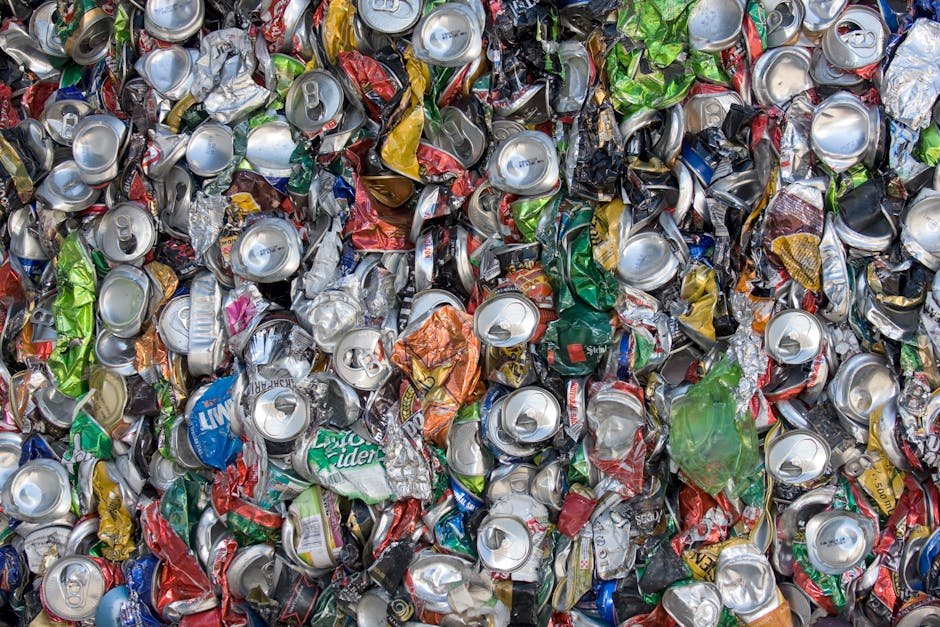

When searching for aluminium scrap near me, it is essential to understand that not all scrap is valued equally. Whether you are a tradesperson clearing a worksite or a homeowner with a collection of beverage containers, knowing how to identify, sort, and prepare your material is the key to maximizing your financial return. In the world of industrial recycling, the quality of your scrap aluminium dictates the price you receive at the scales. By understanding the grading systems used by industry professionals, you can transform what looks like waste into a valuable commodity.
Understanding Aluminium Grades and Classification
Aluminium is one of the most recycled materials on the planet, but its value is highly dependent on its alloy composition and purity. When you visit a What Is Scrap Trade resource, you will quickly learn that contamination is the biggest enemy of value. Most scrap yards categorize aluminium into distinct grades to streamline the smelting process.
- Aluminium Extrusion (6063): This is the gold standard for scrap. Found in window frames, door frames, and architectural structures, this grade is prized for its consistent chemical composition. It is usually free of iron, plastic, or rubber attachments.
- Aluminium Cans (UBC): Used Beverage Containers (UBC) are a high-volume commodity. While they are lightweight, they are incredibly easy to recycle. Ensure they are clean and free of liquid residue to get the best price.
- Cast Aluminium: Often found in engine blocks, transmission housings, and lawnmower decks. This grade contains higher levels of silicon, making it harder and more brittle than extrusions.
- Aluminium Sheet: This includes siding, roofing, and automotive body panels. It is often thinner and may contain coatings or paint that must be removed during the recycling process.
- Aluminium Wire and Cable: Often found in high-voltage power lines or domestic electrical wiring. This is highly sought after because of its conductivity and relatively high purity levels.
If you have any of these materials, you can Sell Scrap through our platform to connect with reputable buyers. Always aim to separate your grades before arriving at the yard; mixing high-value extrusion with low-value cast aluminium will often result in the entire load being paid out at the lowest common denominator price.
The Aluminium Recycling Process: From Yard to Ingot
The journey of a piece of metal from your local scrap yard to a new product is a marvel of efficiency. When you locate a nearby recycler, the material undergoes a rigorous process that ensures infinite recyclability without losing its structural properties. The first step in the cycle is collection and sorting. Advanced facilities use eddy current separators—machines that use magnetic fields to repel non-ferrous metals—to separate aluminium from other materials automatically.
Once sorted, the scrap is shredded into small, uniform pieces. This increases the surface-area-to-volume ratio, making it easier to remove coatings, paints, and other impurities. The shredded metal is then passed through a de-coating kiln, which burns off contaminants like plastic, oils, and lacquer. The clean metal is then melted in a furnace at approximately 700 degrees Celsius. During this stage, alloying elements may be added to adjust the metal to specific requirements. Finally, the molten aluminium is cast into ingots, which are shipped to manufacturers to be rolled into sheets or extruded into new shapes. This entire process consumes only a fraction of the energy required for primary aluminium production, which involves the energy-intensive Hall-Héroult process of refining bauxite ore.
Environmental Benefits and Economic Impact
Recycling is not just about clearing clutter; it is a vital pillar of a circular economy. When you search for aluminium scrap near me, you are participating in a global effort to reduce the carbon footprint of the manufacturing industry. The energy savings are staggering—recycling one tonne of aluminium saves approximately 14,000 kilowatt-hours of electricity, which is enough to power an average Australian home for several years. Furthermore, it prevents the need for bauxite mining, which often leads to deforestation and soil degradation in sensitive ecosystems.
From an economic perspective, the scrap industry supports thousands of jobs across Australia. By choosing to trade your metal with a professional metal recycling network, you are contributing to a transparent market that rewards sustainability. The Scrap industry relies on the constant flow of materials to keep manufacturing costs stable. When scrap supply is high, the cost of manufacturing new goods decreases, benefiting the entire supply chain. It is a win-win scenario where the environment is protected, and the individual is compensated for their contribution to the supply chain.
How to Get the Best Aluminium Price
The scrap of aluminium is subject to daily market fluctuations, often influenced by the London Metal Exchange (LME). To ensure you receive the best aluminium price, timing and preparation are everything. Always check current market trends before heading to the leading scrap trading platform. If you have a large volume of metal, it is worth calling your closest dealer ahead of time to discuss current rates and potential logistics support.
Preparation tips for maximizing profit:
- Clean your material: Remove any non-aluminium attachments such as steel screws, iron brackets, rubber seals, or glass. Contamination is the primary reason for price downgrades.
- Separate by grade: Do not mix your clean aluminium extrusions with dirty, painted, or cast aluminium. Keep them in separate bins.
- Volume matters: If you have a large, consistent supply, you can negotiate better rates with your local yard.
- Safety first: Always wear gloves and eye protection when handling scrap. Aluminium edges can be razor-sharp, especially when dealing with sheet or extrusion offcuts.
By following these simple steps, you position yourself as a professional supplier rather than an amateur, which often leads to better service and more competitive pricing at the weighbridge.
Navigating the Local Scrap Market in Your Area
Finding a reliable partner in my area requires a bit of due diligence. Not every yard is equipped to handle every type of metal, and some specialize in specific industrial volumes. When looking for a facility, consider their proximity, their equipment, and their reputation for fair weighing practices. A reputable yard will have a certified scale that is clearly visible to the customer, ensuring transparency in every transaction.
Furthermore, consider the logistical challenges. If you are dealing with heavy machinery or large quantities of industrial scrap, ensure the yard has the capacity to assist with unloading. Some yards offer bin services for commercial clients, which can significantly streamline the collection process. By establishing a long-term relationship with a local recycler, you gain access to insights about market trends, allowing you to hold onto your stock when prices are low and sell when they peak.
The Future of Aluminium Recycling
The demand for recycled aluminium is projected to skyrocket as global industries transition toward net-zero emissions. Automotive manufacturers are increasingly turning to recycled aluminium to reduce the embedded carbon in their vehicles, and the construction industry is prioritizing green-certified materials for new projects. As a result, the value of scrap is likely to remain high in the coming years.
Innovation in sorting technology, such as AI-driven optical sorters, is making it easier for yards to process mixed scrap streams with high precision. This means that even smaller, more complex pieces of scrap that were previously sent to landfills are now being recovered. By participating in this ecosystem, you are not just making a bit of extra cash—you are helping to build a more sustainable future for Australia. Whether you are a small-scale recycler or an industrial operation, your contribution to the circular economy is essential.
Safety and Compliance in Metal Recycling
Working with scrap metal involves inherent risks that must be managed. Heavy loads, sharp edges, and the potential for hazardous materials require a safety-first approach. Always ensure that any scrap you bring to a yard is free of hazardous substances such as pressurized canisters, oil, or chemicals. Most yards have strict environmental compliance policies and will reject loads that contain hazardous waste.
Additionally, stay informed about local regulations regarding scrap metal trading. In many Australian states, there are laws in place to prevent the trade of stolen metal, requiring sellers to provide identification and documentation for large transactions. By maintaining clean records and operating legally, you ensure that the industry remains reputable and that you can continue to trade without interruption. Always prioritize working with licensed facilities that adhere to environmental and safety standards, as this protects both you and the community.
Conclusion: Taking the Next Step
Recycling aluminium is one of the most effective ways to reduce your environmental impact while generating extra income. By understanding the different grades of metal, preparing your scrap correctly, and choosing the right local partner, you can ensure that you get the best value for your efforts. Whether you are clearing out a garage or managing industrial waste, the resources available at our platform are designed to help you navigate the complexities of the scrap trade with confidence.
Remember, the market for scrap metal is dynamic. Stay informed, keep your materials clean, and don’t hesitate to reach out to professional dealers who can help you optimize your recycling strategy. With the right approach, you can turn your aluminium waste into a consistent stream of value while supporting a cleaner, greener Australia. Start by identifying your local options today and join the thousands of Australians who are making a difference one load at a time.
Frequently Asked Questions
How can I tell the difference between aluminium and other metals?
The easiest way is to use a magnet; aluminium is non-ferrous and will not attract a magnet. Additionally, aluminium is lightweight and usually has a dull, silver-grey appearance compared to the reddish hue of copper or the heavy, magnetic nature of steel.
Do I need to remove paint or coatings from my aluminium scrap?
While most yards will accept painted aluminium, it is often classified as a lower grade than clean, bare aluminium. If you have the time, removing heavy coatings can improve the grade and potentially increase your payout.
Why is my local scrap yard paying less than the LME price?
The LME price is a global benchmark for pure metal. Scrap yards must account for processing costs, transportation, energy for smelting, and profit margins, which is why the price paid at the yard is always lower than the global commodity market price.
Is it worth recycling small amounts of aluminium?
Yes, every bit counts toward energy savings and environmental protection. While small amounts may not yield a significant financial return, consistently recycling your scrap prevents it from entering landfills and keeps the circular economy moving.