
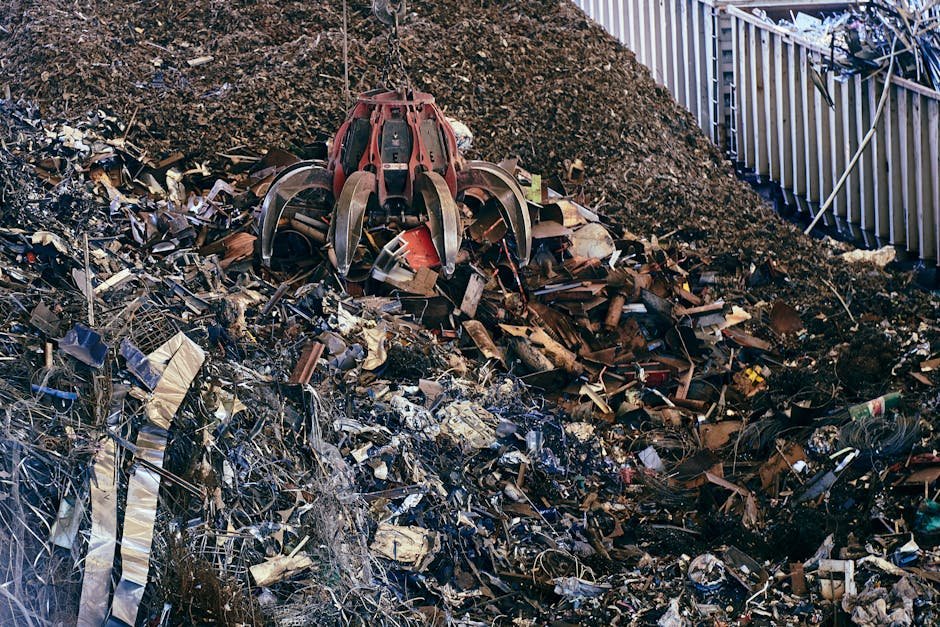

Navigating the world of scrap buyers requires a solid understanding of how the industry functions, from the initial collection to the final smelting process. Whether you are a tradesperson, a demolition contractor, or a household recycler, knowing how to identify reputable partners is essential for maximizing your returns and ensuring environmental compliance. The Australian scrap metal industry plays a pivotal role in the circular economy, transforming discarded materials into valuable industrial commodities.
Understanding the Scrap Metal Market and How to Find Trusted Dealers
The first step in any successful transaction is knowing where to find reliable partners. When you search for scrap buyers near me, you are looking for more than just a place to drop off metal; you are looking for a business that adheres to strict environmental standards and offers fair, transparent pricing. Trusted dealers are typically members of industry associations and possess the necessary state-based environmental licenses to handle hazardous or bulky materials.
To identify a high-quality metal buyer, look for facilities that provide digital, calibrated scales that are visible to the customer. Transparency is the hallmark of a professional operator. Avoid dealers who are unwilling to explain their grading process or provide a detailed breakdown of the weight per metal type. A reputable dealer will have a clear understanding of What Is Scrap Trade and will be able to educate you on the current market fluctuations that influence daily price lists.
Furthermore, the best dealers often operate as part of a larger, integrated network like Scrap Trade Australia, which provides comprehensive data and logistics support. When you Sell Scrap, you should expect a professional environment, clear safety protocols, and prompt payment structures. Whether you are dealing with copper, aluminium, or ferrous materials, the right buyer will have specialized equipment to process these items efficiently.
The Categorization of Scrap: Ferrous vs. Non-Ferrous Metals
To maximize your profit, you must understand how to sort your Scrap before arriving at the yard. The industry is broadly divided into two categories: ferrous and non-ferrous. Ferrous metals contain iron and are magnetic. Common examples include steel, iron, and cast iron. Because these materials are abundant, they are usually sold in higher volumes at a lower price point per kilogram. If you are specifically looking for scrap steel buyers, ensure they have the heavy-duty shearing and baling equipment necessary to handle industrial-grade steel.
Non-ferrous metals, on the other hand, do not contain iron and are generally more valuable. These include copper, brass, aluminium, lead, and stainless steel. Copper is often the most sought-after metal due to its high conductivity and infinite recyclability. Sorting your non-ferrous metals from your ferrous metals is the single most effective way to increase your payout. A professional metal buyer will penalize mixed loads because the effort required to separate them costs time and money. By presenting clean, sorted loads, you demonstrate professionalism and ensure you receive the highest grade for your materials.
The Process: From Collection to Purchase
The process of selling your items to scrap buyers is straightforward but requires attention to detail. Once you have identified a facility, the process typically follows these steps: weighing, inspection, grading, and payment. Upon arrival, your vehicle is weighed on a weighbridge. You then unload your material in the designated area. The buyer inspects the load for contaminants—such as plastic, insulation, or wood—which can significantly lower the value of your scrap.
Once the material is inspected, it is weighed again (or the container is weighed) to determine the net weight. The buyer then applies the current market price for that specific grade. It is important to note that commodity prices for metals change daily, often influenced by international trade, manufacturing demand, and mining output. Trusted dealers will usually have a board or an online portal where they update their pricing. Always check these rates before you head to the yard to ensure you are getting a fair deal based on the current market conditions.
Environmental Benefits and the Circular Economy
The environmental impact of recycling metal is profound. Every tonne of recycled steel saves over a tonne of iron ore, 630 kg of coal, and 55 kg of limestone. By choosing to sell to professional scrap buyers, you are directly contributing to a reduction in greenhouse gas emissions and the preservation of natural landscapes that would otherwise be mined. Recycling aluminium, for instance, uses 95% less energy than producing it from virgin bauxite ore.
The circular economy relies on the efficient recovery of these materials. When metal is recycled, it retains its properties indefinitely. This means the copper in a piece of wiring today could be the same copper used in a high-tech circuit board tomorrow. As a participant in this trade, you are a vital link in a chain that reduces the reliance on landfills and lowers the energy footprint of the global manufacturing sector. Supporting local, ethical recycling facilities ensures that these materials are processed according to Australian environmental regulations, preventing toxic runoff and soil contamination.
Advanced Tips for Maximizing Your Scrap Value
If you are a regular supplier, there are several advanced techniques to increase your returns. First, consider the volume. Many buyers offer better rates for larger quantities. If you have a steady stream of material, discuss a commercial contract or a pick-up service with the dealer. Second, keep your materials clean. Remove any non-metallic attachments, such as rubber seals on copper pipes or plastic casings on electrical wires. While some yards will accept “dirty” scrap, they will pay a significantly lower price because they have to factor in the labor costs of cleaning the material themselves.
Third, understand the grading. For example, not all copper is the same. “Bright and shiny” copper (clean, unoxidized wire) fetches a higher price than “burnt” or “insulated” copper. By stripping the insulation off your wires, you can often double your profit. However, always weigh the cost of your time and the tools required against the potential increase in profit. Finally, maintain a relationship with your dealer. Being a reliable, honest supplier who brings in well-sorted loads makes you a preferred client, which can sometimes lead to better pricing tiers.
Compliance and Safety in the Scrap Trade
Safety is the primary concern in any scrap yard. These are heavy industrial environments with moving machinery, large trucks, and sharp materials. When visiting a yard, always wear appropriate personal protective equipment (PPE), including steel-capped boots, high-visibility vests, and gloves. Follow the site instructions explicitly. Many yards have strict traffic management plans that must be adhered to for the safety of all visitors.
From a regulatory standpoint, the industry is subject to strict oversight to prevent the trade of stolen goods. Expect to provide identification and potentially register your details when you sell high-value items like copper or lead. This is a standard industry practice designed to protect the community and ensure that the trade remains transparent and legal. Compliance with these regulations is a sign of a trustworthy business that is looking out for the long-term health of the industry.
The Future of Metal Recycling in Australia
The future of the scrap industry in Australia is bright, driven by technological advancements in sorting and processing. Automated optical sorting and X-ray fluorescence (XRF) technology are allowing dealers to identify and separate metal alloys with unprecedented precision. This means that even complex scrap, which was previously difficult to recycle, can now be recovered and turned into high-grade raw materials.
As the global demand for sustainable materials grows, the role of the scrap metal buyer will become even more critical. We are moving toward a future where “waste” is an outdated concept, replaced by a model where every material is treated as a resource. By engaging with professional dealers and understanding the nuances of the trade, you are not just making a profit; you are helping to build a more sustainable and efficient Australian economy. Whether you are a small-scale recycler or an industrial contractor, your contribution matters.
In conclusion, the scrap metal industry is a sophisticated and vital sector that offers significant opportunities for those who understand how it works. By identifying trusted partners, properly preparing your materials, and staying informed about market trends, you can ensure that you are getting the best possible value for your scrap. Remember to prioritize safety, comply with local regulations, and always look for transparency in the weighing and pricing process. As you continue to participate in this industry, you are helping to drive the circular economy forward, ensuring that precious resources are preserved for future generations.
Frequently Asked Questions
How do I know if I am getting a fair price for my scrap?
Check daily market commodity indices and compare local pricing lists from multiple reputable yards. A fair dealer will be transparent about their grading process and provide a clear breakdown of the weight and price per metal type.
Does it matter if my scrap is dirty or mixed?
Yes, it significantly impacts the price. Mixed loads are harder to process, so dealers will pay a lower rate compared to clean, sorted materials. Always separate your ferrous and non-ferrous metals before arrival.
Why do I need to provide ID when selling scrap?
Providing identification is a legal requirement in many Australian jurisdictions to prevent the trade of stolen property and ensure the traceability of materials. It is a standard practice for all professional and licensed scrap buyers.
What is the most valuable type of scrap to collect?
Non-ferrous metals like copper, brass, and aluminium generally command the highest prices. Specifically, clean, bare copper wire is typically the most valuable item you can bring to a scrap yard.