
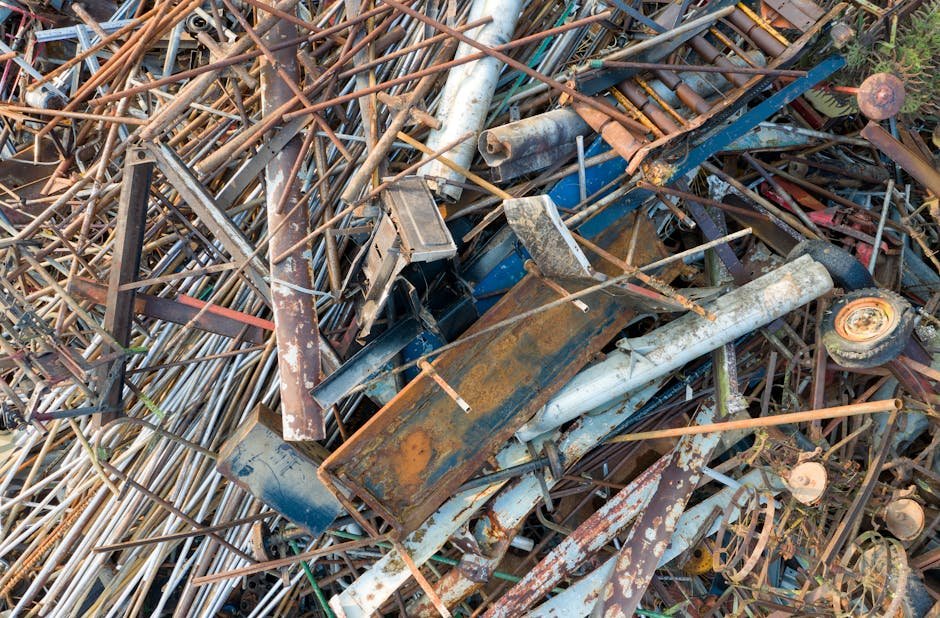

Understanding the vietnam metal recycling market is essential for any global trader looking to navigate the complexities of Southeast Asian supply chains. As Vietnam pivots from a manufacturing hub to a sophisticated industrial economy, the demand for high-quality scrap metal has surged, positioning the nation as a critical player in the global circular economy.
The Evolution of the Vietnam Metal Recycling Market
The vietnam metal recycling market has transformed significantly over the last decade. Historically, the sector was fragmented, relying on informal collection networks and small-scale processing facilities. However, as the country’s manufacturing sector—specifically automotive, electronics, and construction—has expanded, the need for a more structured, efficient, and compliant recycling industry has become paramount. This transition is not merely about volume; it is about quality control and adherence to international environmental standards.
For traders in Australia, the opportunity lies in the gap between supply and demand. While domestic collection is increasing, Vietnam remains a net importer of high-grade copper, aluminium, and ferrous scrap. If you are looking for local opportunities before engaging in international trade, you might start by exploring Scrap Metal Recycling Near Me to understand the domestic supply chain dynamics that feed into larger export markets. The integration of technology and better sorting processes is helping the Vietnam metal recycling market move away from its reliance on manual labor, ushering in an era of automated shredding and advanced spectroscopic sorting.
Regulatory Frameworks and Environmental Compliance
Navigating the legal landscape is the most significant hurdle for international participants. The Vietnamese government has implemented strict regulations under the Law on Environmental Protection to prevent the country from becoming a global dumping ground for hazardous electronic waste. Consequently, scrap imports are subject to rigorous inspection processes. Traders must ensure that all shipments of scrap metal are free from contaminants and meet the specific purity standards mandated by the Ministry of Natural Resources and Environment (MONRE).
Understanding these regulations is as important as understanding your local market. Whether you are dealing with Core Metal Recycling or bulk industrial scrap, the documentation requirements for export to Vietnam are stringent. Failure to comply can result in port congestion, significant fines, or the forced re-export of goods. This is why many professionals utilize platforms like Scrap Trade to stay updated on global compliance standards. The shift towards a green economy in Vietnam is not just rhetoric; it is a fundamental shift in how the vietnam metal recycling market operates, prioritizing high-purity, clean scrap that can be immediately utilized in domestic smelting operations.
Key Commodities Driving the Market
The demand within Vietnam is heavily concentrated on specific metal streams. Aluminium scrap is arguably the most sought-after commodity, driven by the massive expansion of the Vietnamese construction and consumer goods sectors. Copper scrap follows closely, as the country’s electrical infrastructure projects require vast quantities of conductive materials. Ferrous scrap, particularly heavy melting scrap (HMS), remains the backbone of the domestic steel industry, which is currently undergoing a massive capacity expansion.
For those interested in how these global commodity flows work, it is useful to compare domestic versus international trade. If you are based in Australia, you can research Metal Recycling Near Me to see how local pricing benchmarks against the export parity price for Vietnam. The global scrap metal recycling market is highly volatile, and Vietnam’s influence as a price-setter in the region is growing. Similarly, the broader metal recycling market is seeing a trend toward vertical integration, where smelters are increasingly looking to secure long-term supply contracts directly with international scrap exporters to bypass intermediaries.
Logistics and Infrastructure Challenges
Logistics remain a bottleneck in the Vietnamese recycling supply chain. While major ports like Hai Phong and Cat Lai are world-class, the inland transportation network often struggles to keep pace with the volume of scrap being processed. Moving scrap from port facilities to inland industrial zones requires specialized logistics providers who understand the specific handling requirements of metallic waste. For Australian exporters, partnering with reliable local agents in Vietnam is not optional; it is a prerequisite for success.
Furthermore, the physical infrastructure of recycling yards is improving. We are seeing a move toward containerized shipping for high-value non-ferrous metals, while bulk carriers are still the norm for ferrous scrap. The digital transformation of the industry is also picking up speed. Companies that leverage real-time tracking and digital documentation are finding it much easier to clear customs than those relying on traditional, paper-based methods. For those looking to streamline their own operations, resources at Scrap Trade Australia offer valuable insights into modernizing scrap handling and logistics.
The Role of Technology in Modern Recycling
The future of the recycling industry in Vietnam lies in advanced sorting technologies. X-ray fluorescence (XRF) analyzers and sensor-based sorting systems are becoming standard in modern facilities. These technologies allow recyclers to separate alloys with precision, increasing the value of the final product and ensuring that the material meets the stringent requirements of domestic manufacturers. This technological leap is essential for Vietnam to compete with regional neighbors like Thailand and Malaysia.
Investment in these technologies is also a response to the global demand for a lower carbon footprint. Recycled metal requires significantly less energy to process than virgin ore, and the Vietnamese government is incentivizing manufacturers to incorporate higher percentages of secondary materials into their production cycles. This creates a virtuous cycle: as manufacturers demand more recycled content, the recycling industry is forced to innovate, leading to higher-quality scrap and more efficient processes.
Sustainability and the Circular Economy
Vietnam’s commitment to the circular economy is a major driver for the long-term sustainability of its recycling market. By 2030, the government aims to have a fully integrated waste management system that maximizes recovery rates. This policy shift is creating opportunities for international companies to provide expertise, technology, and capital to local partners. The goal is to move away from the linear “take-make-dispose” model toward a system where scrap metal is viewed as a strategic resource rather than waste.
This transition also means that exporters need to be more transparent about their supply chain. Buyers in Vietnam are increasingly asking for certification of origin and environmental compliance documentation. Being able to prove that your scrap was sourced ethically and processed in accordance with international environmental standards is becoming a competitive advantage. The market is maturing, and the days of “no-questions-asked” scrap trading are rapidly coming to an end.
Future Trends and Market Predictions
What can we expect in the next five years? We anticipate a consolidation of the market as smaller, inefficient players are pushed out by larger, more technologically advanced firms. We also expect to see a greater emphasis on the processing of complex scrap, such as e-waste and automotive shredder residue (ASR), which contains valuable precious metals. The ability to recover these materials will be the next frontier for the Vietnamese recycling sector.
Additionally, the geopolitical landscape will continue to play a role. As global supply chains diversify away from a singular reliance on China, Vietnam is emerging as a preferred destination for manufacturing. This industrial migration will naturally increase the demand for scrap metal within Vietnam, potentially tightening supply and pushing prices upward. For traders, this means that now is the time to build relationships and establish a foothold in this dynamic market.
Strategic Advice for International Traders
For those looking to enter or expand their presence in the Vietnam market, the following strategies are recommended:
- Due Diligence is Critical: Always verify the licenses and environmental permits of your Vietnamese buyers.
- Focus on Quality: Contamination is the number one cause of shipment rejections. Invest in better sorting and quality control at the point of origin.
- Build Local Partnerships: A local agent or partner who understands the nuances of local customs and business culture is worth their weight in gold.
- Leverage Digital Platforms: Use global trading platforms to monitor price fluctuations and connect with vetted buyers.
- Stay Informed: Regulations in Vietnam change frequently. Subscribe to industry updates and monitor MONRE announcements.
By following these guidelines, traders can mitigate risk and capitalize on the significant growth potential of the Vietnamese recycling sector. Whether you are dealing in copper, aluminium, or steel, the market is ripe for those who are prepared to invest the time in building a robust and compliant supply chain.
Conclusion
The Vietnam metal recycling market represents one of the most exciting growth areas in the global secondary materials trade. Driven by aggressive industrialization and a national commitment to the circular economy, the demand for high-quality scrap is set to grow for the foreseeable future. While the regulatory environment is challenging, it is also a sign of a maturing market that rewards those who prioritize quality, transparency, and long-term partnerships. By staying informed, leveraging technology, and adhering to international best practices, traders can secure a profitable and sustainable future in this vibrant market.
Frequently Asked Questions
Frequently Asked Questions
Is it legal to export scrap metal to Vietnam?
Yes, it is legal, provided the scrap meets Vietnam’s strict import regulations and environmental standards. Exporters must ensure their shipments are free from hazardous waste and possess the necessary import permits.
What are the most in-demand metals in the Vietnamese market?
Aluminium, copper, and ferrous scrap are currently the most sought-after commodities. This demand is fueled by the country’s expanding construction, electronics, and automotive manufacturing sectors.
How do I ensure my scrap shipment passes Vietnamese customs?
Success depends on rigorous quality control, accurate documentation, and verifying that your buyer has the appropriate environmental licenses. Partnering with a local agent who understands customs procedures is highly recommended.
What is the impact of the circular economy on the Vietnam metal market?
The shift toward a circular economy is driving demand for higher-quality recycled materials and incentivizing manufacturers to use more secondary raw materials. This creates a more stable, long-term market for high-grade scrap metal.