
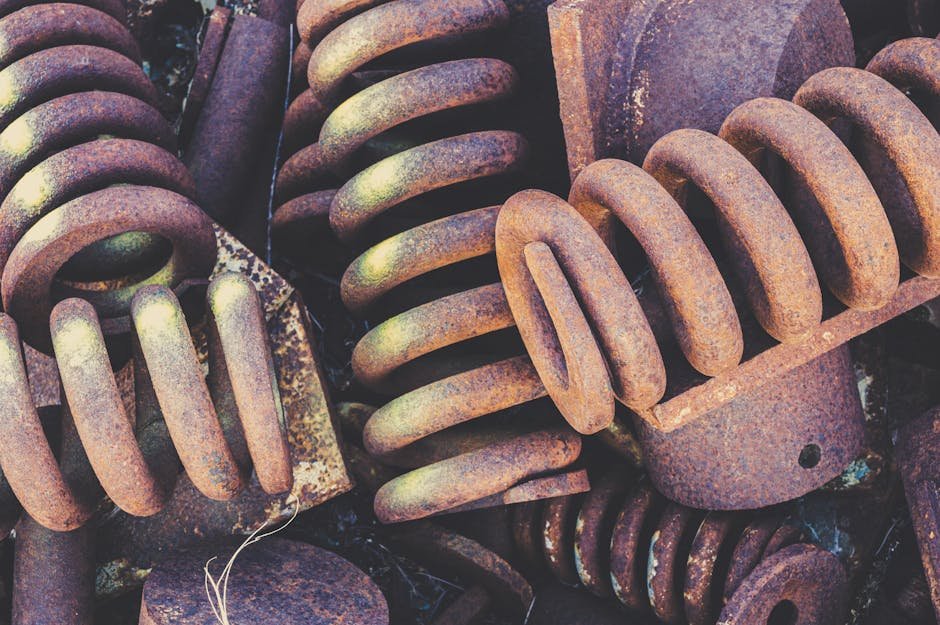

If you are looking to turn your unwanted metal waste into profit, understanding how to secure cash for scrap iron is the first step toward a more sustainable and lucrative waste management strategy. Iron is the backbone of the global economy, and because it is infinitely recyclable, there is always a robust market for it. Whether you are a construction contractor, a demolition expert, or a homeowner clearing out a shed, knowing the value of your ferrous scrap can significantly improve your bottom line.
To truly understand the industry, you must first grasp What Scrap Trade Actually Is. It is not merely about dumping metal; it is about participating in a circular economy that reduces the need for virgin ore extraction. When you engage in the process of buying scrap iron, you are helping to bridge the gap between waste and manufacturing, ensuring that valuable resources are kept in circulation rather than languishing in landfills.
Understanding Ferrous Scrap and Iron Grades
Not all iron is created equal. In the recycling world, iron is classified as a ferrous metal, meaning it contains iron and is typically magnetic. To get the best cash for scrap iron, you must learn to distinguish between different grades. The price you receive is heavily dependent on the purity and the specific type of iron you provide to the recycler.
Cast Iron: This is a common form of iron found in heavy machinery, old engine blocks, and vintage cookware. It is brittle and contains a higher carbon content compared to steel. Because of its weight and density, it is highly sought after by foundries. When you bring cast iron to a yard, ensure it is free from non-metallic attachments like rubber or plastic to get the best price.
Wrought Iron: Though less common in modern construction, wrought iron is still found in historical fencing, gates, and architectural elements. It is tougher and more malleable than cast iron. Because it is relatively pure iron, it often commands a different price point in the market.
Steel (Light and Heavy): While technically an alloy, steel is the most common form of iron-based scrap. It is graded based on thickness and size. Heavy Melting Steel (HMS) is the industry gold standard for scrap dealers. It is thick, clean, and easy to melt down into new structural beams. If you have a large volume of heavy steel, you are likely to see a better return compared to light, thin sheet metal.
For those looking to organize their collection, the Iron Scrap Group provides a community and resource hub to track market fluctuations. Staying informed about the current iron price per kg is essential, as the market is global and shifts based on industrial demand in major manufacturing hubs like China and India.
How the Iron Recycling Process Works
The journey from a rusty beam in your backyard to a brand-new car part is a fascinating industrial process. When you bring your material to a professional facility, the recycling cycle begins. First, the scrap is weighed on certified scales to determine the payout. Following the weighing, the material is sorted. Advanced facilities use magnets and sensors to separate ferrous metals from non-ferrous contaminants like copper or aluminum.
Once sorted, the iron is processed. This often involves shearing, shredding, or torching. Shredding is particularly common for light iron, as it breaks the material into palm-sized pieces, making it easier to transport and melt. The shredded iron is then transported to an electric arc furnace. Here, the metal is melted at extremely high temperatures. The molten iron is refined to remove impurities and then cast into billets, ingots, or slabs. These are then sold to manufacturers who turn them into everything from rebar for skyscrapers to new appliances.
This entire process is incredibly energy-efficient. Recycling iron requires significantly less energy than extracting, refining, and processing iron ore from the earth. By choosing to recycle, you are directly contributing to a reduction in carbon emissions. For those with significant quantities, arranging a scrap iron pickup is the most efficient way to clear your site while ensuring the material enters the correct recycling stream.
Environmental Benefits of Iron Recycling
The environmental impact of recycling iron is profound. Every tonne of recycled steel saves over 1,100 kilograms of iron ore, 600 kilograms of coal, and 50 kilograms of limestone. These are finite resources that, once extracted, cannot be replaced. By opting to recycle rather than discard, you are preserving landscapes and reducing the ecological footprint of the mining industry.
Furthermore, iron recycling reduces water consumption by up to 40% compared to primary production. Mining operations are notoriously water-intensive and often lead to local water table contamination. By keeping iron in the loop, we reduce the demand for these destructive practices. If you are a business owner, documenting your recycling efforts can also be a key component of your ESG (Environmental, Social, and Governance) reporting. It demonstrates a commitment to sustainability that is increasingly valued by consumers and regulators alike.
To find reliable partners who prioritize ethical recycling, you can explore the network at Scrap Trade Australia. They provide the infrastructure necessary to handle high-volume recycling needs, ensuring that your scrap is processed in accordance with the highest environmental standards.
Tips for Maximizing Your Scrap Returns
To ensure you get the best possible payout, preparation is key. First, keep your metals separated. If you mix your ferrous scrap with non-ferrous metals like copper or brass, the recycler may grade the entire load at the lower iron price. By keeping them in separate bins, you ensure you are paid the premium rate for each specific metal type.
Second, clean your scrap. Remove as much “contamination” as possible. This includes wood, plastic, glass, and rubber. A rusty engine block is fine, but an engine block with the oil, plastic hoses, and rubber belts still attached will be downgraded because the recycler has to spend time and money removing those items. If you have a large amount of material, you might consider using a service to Pick Up Scrap Metal For Cash Near Me to avoid the logistics of hauling heavy loads yourself.
Third, monitor the market. The iron price per kg is not static. It fluctuates based on global supply chains, energy costs, and construction activity. By checking the Scrap Trade platform regularly, you can time your sales to coincide with market peaks. While you won’t always catch the absolute high, avoiding the lows can make a significant difference in your annual revenue.
The Future of the Scrap Metal Industry
The scrap metal industry is currently undergoing a digital transformation. Gone are the days of guessing prices or dealing with opaque pricing structures. Today, digital platforms are bringing transparency to the trade. This shift is empowering individuals and small businesses to participate in the global economy with confidence. As we move toward a more circular economy, the role of the scrap metal recycler is becoming more critical than ever.
Innovations in sorting technology, such as X-ray fluorescence (XRF) analyzers, allow recyclers to identify metal alloys in seconds. This precision ensures that high-quality scrap is directed to the most appropriate end-use, further increasing the value of the material. For the seller, this means more accurate grading and fairer pricing. Whether you are dealing with industrial quantities of steel or small amounts of household iron, the industry is becoming more accessible and efficient.
Safety and Logistics in Scrap Handling
Handling scrap iron is inherently dangerous. It is heavy, often jagged, and can be unstable when stacked. Always prioritize safety. Wear heavy-duty gloves, steel-toed boots, and eye protection when moving or sorting your scrap. If you are dealing with large, heavy pieces, use mechanical assistance like a forklift or a crane. Never attempt to lift heavy machinery by hand.
When transporting your scrap, ensure your load is properly secured. In Australia, road safety regulations are strict regarding loose loads. Use tie-downs and, if necessary, a tarp to prevent debris from falling onto the road. If you are unsure about the logistics, it is always safer and often more cost-effective to hire a professional service to handle the collection. They have the equipment to safely load and transport your scrap, saving you the risk of injury and the cost of vehicle wear and tear.
Remember that the value of your scrap is not just in the metal itself, but in the time and effort you save by managing it professionally. By building a long-term relationship with a reputable yard, you can streamline your waste management and ensure that you are always getting the best service and the most competitive rates for your ferrous materials.
Conclusion: Why Recycling Matters
Recycling iron is more than just a way to make extra money; it is a vital service to the environment and the economy. From the homeowner cleaning out a garage to the demolition contractor clearing a building site, every participant in the scrap chain plays a role. By understanding the different grades of iron, keeping your materials clean and sorted, and staying informed about market conditions, you can maximize your returns and contribute to a more sustainable future.
As you continue your journey in the scrap trade, remember to leverage the resources available to you. Use digital platforms to track prices, connect with local recyclers, and stay updated on industry best practices. Whether you are looking for a buying scrap iron guide or need assistance with logistics, the path to successful recycling is well-trodden and highly rewarding. Start today by organizing your scrap, and turn that pile of metal into a valuable asset.
Frequently Asked Questions
What is the best way to determine the current iron price per kg?
The best way is to check online scrap metal trading platforms or call your local recycling yard directly. Prices change daily based on global market demand, so calling ahead ensures you have the most accurate quote for your specific material.
Do I need to clean my scrap iron before taking it to a recycler?
Yes, cleaning your scrap is highly recommended. Removing non-metallic attachments like plastic, rubber, and wood will ensure your material is graded at a higher purity level, resulting in a better payout.
Is there a difference between cast iron and steel when recycling?
Yes, they are different grades of ferrous metal. Cast iron is brittle and dense, while steel is an alloy that is generally more ductile; recyclers often pay different rates for them based on their composition and the cost to process them.
Why is it important to separate ferrous from non-ferrous metals?
Ferrous metals are magnetic and have different recycling processes than non-ferrous metals like copper or aluminum. Mixing them can lead to your entire load being downgraded to the lowest common denominator price.