
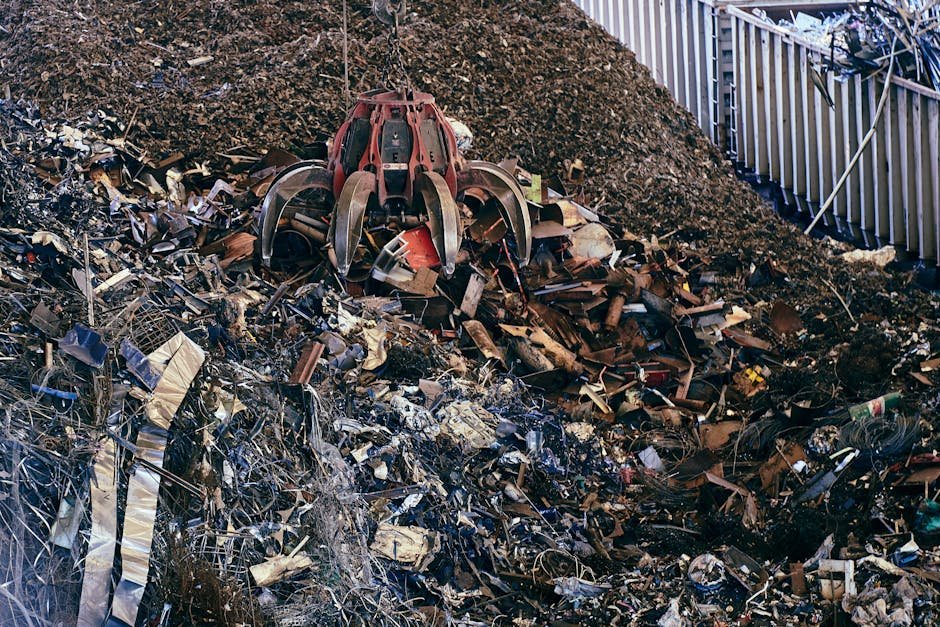

Navigating the landscape of hobart scrap metal requires an understanding of both global commodity markets and local Tasmanian industrial logistics. Whether you are a construction contractor, a demolition expert, or a household resident looking to clear out the garage, knowing how to categorize your materials is the first step toward environmental stewardship and financial gain. As the capital city of Tasmania, Hobart serves as a vital hub for resource recovery, bridging the gap between discarded industrial waste and the circular economy. By choosing to engage with professional recycling services, you are participating in a sophisticated supply chain that keeps valuable raw materials out of landfills and back into the manufacturing cycle.
Understanding Metal Grades: Ferrous vs. Non-Ferrous
To effectively trade in the hobart scrap metal market, one must first distinguish between the two primary categories of metals: ferrous and non-ferrous. Ferrous metals contain iron, making them magnetic and generally more prone to rust. Common examples include mild steel, carbon steel, stainless steel, and cast iron. Because of their abundance, these materials are often traded in bulk, and their pricing is heavily influenced by global construction demand. If you have large quantities of structural beams, rebar, or old machinery, you are likely dealing with ferrous scrap.
Conversely, non-ferrous metals do not contain iron, making them non-magnetic and significantly more valuable per kilogram. This category includes copper, aluminum, brass, lead, and zinc. These metals are highly prized because they can be recycled indefinitely without losing their chemical properties. For instance, copper wiring stripped from electrical installations or aluminum siding from a renovation project commands a premium price. Understanding these distinctions allows you to better organize your loads before heading to a facility to Sell Scrap Metal Near Me In 2026. By separating your metals at the source, you reduce the labor burden on the recycler, which often leads to more efficient processing and potentially better returns for the seller.
How the Recycling Process Works in Tasmania
The journey of a piece of scrap metal from a Hobart backyard to a new product is a multi-stage industrial process. Once your materials arrive at a collection site, they undergo a rigorous inspection process. Professionals use handheld X-ray fluorescence (XRF) analyzers to determine the exact chemical composition of the metal, ensuring that alloys are correctly identified. This is critical because even minor impurities can ruin a whole batch of molten metal during the smelting process.
After sorting, the metal is processed through shredders, shears, or balers. Large industrial shredders turn car bodies and white goods into fist-sized chunks, which are then passed under high-powered magnets to separate the ferrous components from the non-ferrous ones. Eddy current separators are then used to eject non-ferrous metals from the remaining waste stream. Once sorted, the material is cleaned of non-metallic contaminants like plastic, rubber, or glass. The final product is then compacted into dense bales or ingots and shipped to domestic smelters or international markets. For those looking for local options, checking Scrap Metal Recycling Near Me is the most efficient way to find a facility equipped with the latest sorting technology.
The Environmental Imperative of Metal Recycling
The environmental case for recycling is overwhelming. Extracting virgin ore through mining is an energy-intensive and ecologically disruptive process. It involves massive land clearing, heavy water usage, and the production of significant tailings and greenhouse gas emissions. By contrast, recycling existing metals requires a fraction of the energy. For example, producing aluminum from recycled scrap consumes approximately 95% less energy than producing it from bauxite ore.
In the context of hobart scrap metal, local recycling efforts help preserve Tasmania’s pristine natural environment by reducing the demand for new mining operations. Furthermore, recycling prevents hazardous materials from leaching into the soil and waterways. Old appliances, for instance, often contain refrigerants or heavy metals that must be handled with precision. Professional recycling platforms like Scrap Trade ensure that these materials are managed in compliance with strict environmental regulations, protecting the local ecosystem from contamination. By participating in this system, individuals and businesses contribute to a more sustainable future for the island state.
Maximizing Your Returns: Tips for Sellers
If you are looking to get the best value for your materials, preparation is key. First, always strip away non-metallic attachments. If you have an electric motor, removing the plastic casing and steel housing can often yield a higher grade of copper or aluminum winding. Second, keep your metals clean. Contaminated scrap—metal covered in excessive oil, grease, or dirt—is often downgraded or rejected because it poses a fire hazard or damages smelting equipment. A quick pressure wash can make a significant difference in the grade you receive.
Third, keep an eye on Scrap Metal Prices. The market is volatile and changes daily based on global supply chains, energy costs, and manufacturing demand. Timing your sale to coincide with market peaks can significantly impact your bottom line. Finally, build a relationship with a reputable dealer. Consistent suppliers who bring in well-sorted, clean loads are often treated as preferred partners. If you are ready to turn your unwanted assets into capital, you can find professional services through Scrap Trade Australia to ensure you are dealing with industry-standard practices and transparent pricing models.
The Future of Scrap Metal in Hobart
As we move toward 2026 and beyond, the scrap metal industry is undergoing a technological revolution. We are seeing the integration of AI-driven sorting systems that can identify metal types in milliseconds, increasing the purity of recycled outputs. Furthermore, there is a growing emphasis on traceability. Manufacturers are increasingly demanding “green steel” or recycled aluminum with a verified low-carbon footprint. This shift is turning scrap yards into essential nodes in the green supply chain.
For the residents and businesses of Hobart, this means that your scrap is no longer just “junk.” It is a strategic resource. As the global economy pivots away from linear consumption toward a circular model, the value of your scrap will only grow. Whether it is copper piping from a plumbing renovation or steel offcuts from a fabrication workshop, your contribution to the recycling loop is vital. By utilizing resources like scrap metal hobart directories, you can ensure that your materials are handled by operators who are at the cutting edge of this transition.
Navigating Regulations and Safety
Safety is the non-negotiable cornerstone of the scrap metal industry. Handling heavy, sharp, or potentially hazardous materials requires specialized training and equipment. When visiting a facility for cash for scrap metal hobart, always wear appropriate personal protective equipment (PPE), including steel-toed boots, heavy-duty gloves, and high-visibility clothing. Never attempt to cut into sealed containers or tanks that may have held chemicals, as these pose a severe explosion or toxic exposure risk.
Furthermore, be aware of the legal requirements surrounding scrap trading. In many jurisdictions, including Tasmania, dealers are required to keep detailed records of transactions to prevent the trade of stolen property. Always bring valid photo identification when selling your scrap. This is not just a regulatory hurdle; it is a sign of a professional, legitimate operation. By working with compliant, licensed recyclers, you protect yourself and the industry from illicit activities, ensuring that the market remains fair and transparent for all participants.
The Role of Industrial Partnerships
Small-scale recycling is important, but the backbone of the Hobart industry lies in industrial partnerships. Construction firms, automotive wreckers, and manufacturing plants produce the bulk of the scrap that keeps the economy moving. These entities often require specialized logistics, such as skip bin services or scheduled pick-ups, to manage their waste streams effectively. By integrating recycling into their operational workflow, these businesses can turn a waste management cost into a revenue stream.
If you represent an industrial entity, consider auditing your waste streams. Are you separating your stainless steel from your mild steel? Are you capturing your aluminum offcuts? Small changes in internal processes can lead to significant gains in the value of your scrap. Engaging with experts who understand the nuances of industrial scrap collection can help you optimize these processes. Remember, the goal is to create a seamless flow of materials from the point of origin back to the manufacturing floor. This is the essence of the circular economy, and it is happening right here in Hobart.
Conclusion: Your Role in the Circular Economy
The recycling of scrap metal is a foundational pillar of modern industry. It supports the transition to a low-carbon economy, provides essential raw materials for manufacturing, and offers a practical way for individuals and businesses to manage their waste. By understanding the grades of metal, the nuances of the recycling process, and the importance of working with reputable, transparent operators, you can maximize the value of your materials while contributing to the sustainability of the Tasmanian environment.
Whether you are a professional contractor or a homeowner, the choices you make today regarding your scrap metal have a lasting impact. Use the resources provided, stay informed about market trends, and prioritize safety and compliance in all your dealings. The circular economy is not a distant concept; it is a tangible system that you participate in every time you choose to recycle rather than discard. Start today by organizing your scrap, checking current market rates, and connecting with the professional recycling network in Hobart.
Frequently Asked Questions
What is the most valuable type of scrap metal to recycle?
Non-ferrous metals like copper, brass, and aluminum are generally the most valuable. Copper, in particular, commands the highest price due to its high demand in electrical and plumbing industries.
Do I need to clean my scrap metal before bringing it to a yard?
Yes, cleaning your scrap by removing plastic, rubber, wood, or excessive dirt significantly increases its value. Clean, sorted loads are easier to process and typically receive better pricing from recyclers.
How can I find the current market price for my scrap metal?
Scrap metal prices fluctuate based on global market conditions. You can check reputable industry websites or contact your local Hobart scrap yard directly to get a quote based on current daily rates.
Why is it important to provide ID when selling scrap metal?
Providing ID is a legal requirement for scrap metal dealers to prevent the sale of stolen goods. It ensures that all transactions are transparent, traceable, and compliant with local regulations.