
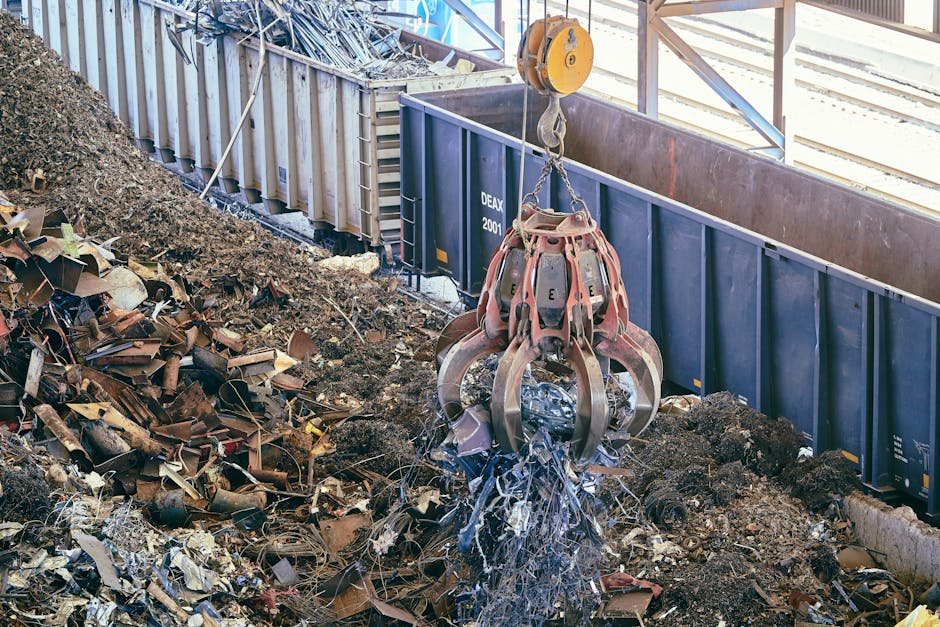

Understanding the role of scrap containers is essential for anyone involved in the industrial, construction, or demolition sectors. Whether you are managing a large-scale project or cleaning out a workshop, the effective use of these containers is the first step in the lifecycle of metal recovery. By utilizing proper storage, you ensure that high-value materials are kept free from contaminants, which is vital when you decide to Sell Scrap to reputable facilities. In Australia, the What Is Scrap Trade inquiry often leads to a deeper appreciation of how these simple steel bins facilitate the circular economy. By organizing your Scrap effectively, you not only improve safety on-site but also maximize the financial return on your materials when you work with professional scrap buyers.
The Anatomy and Purpose of Scrap Containers
In the world of metal recycling, a scrap container is far more than just a box. These vessels are engineered to handle the immense weight, sharp edges, and abrasive nature of industrial waste. Typically constructed from heavy-duty, reinforced steel, they are designed to withstand the rigors of heavy machinery and harsh Australian weather conditions. The primary purpose of these containers is to provide a dedicated space for the segregation of metals. Without proper containment, scrap metal becomes a logistical nightmare, leading to contamination, safety hazards, and lost revenue.
When you partner with a professional metal recycling service in Australia, they will provide specific containers tailored to the volume and type of metal you generate. For instance, a facility dealing with light gauge steel will require different bin dimensions compared to one handling heavy structural beams. By using the right container, you prevent the mixing of ferrous and non-ferrous metals, which is a critical step in the recycling process. If you are specifically looking for high-value non-ferrous metals, you might find yourself searching for aluminium scrap near me to ensure you have a local drop-off point or collection service that can handle your specific needs.
Understanding Metal Grades for Efficient Recycling
To truly master the art of scrap management, one must understand how metals are graded. Scrap metal is generally categorized into two main groups: ferrous and non-ferrous. Ferrous metals contain iron and are magnetic, while non-ferrous metals do not contain iron and are generally more valuable due to their resistance to corrosion and their infinite recyclability. Within these groups, there are hundreds of specific grades that determine the market price.
Ferrous grades include items like HMS (Heavy Melting Steel), which is common in demolition, and light iron, which includes appliances and thinner steel sheets. Non-ferrous grades are where the real value often lies, including copper, brass, stainless steel, and aluminium. When you place these into your scrap containers, keeping them separated by grade is paramount. For example, mixing brass with copper will downgrade the entire load to the value of the cheaper metal. By maintaining strict separation, you ensure that you receive the highest market rate for your materials. This practice is the cornerstone of a successful scrap trading strategy.
The Lifecycle of Scrap: From Bin to New Product
The journey of a piece of metal starts the moment it is discarded into one of our scrap containers. Once the container is full, it is transported to a processing facility. Here, the metal undergoes a rigorous sorting process. Advanced technology, such as X-ray fluorescence (XRF) analyzers and magnetic separators, is used to identify and sort the material with precision. This ensures that the purity levels meet the stringent requirements of smelters and foundries.
After sorting, the metal is often shredded or sheared to reduce its volume and prepare it for melting. Shredding is particularly effective for mixed scrap, as it breaks down complex items like vehicles or white goods into smaller, manageable fragments. Once shredded, the material is cleaned of impurities, such as plastics, rubber, or glass, which may have been inadvertently tossed into the scrap containers. The final product is a clean, uniform feedstock that can be melted down and cast into new ingots, beams, or sheets, ready to be used in manufacturing again. This closed-loop system is the definition of sustainability.
Environmental Benefits of Metal Recycling
The environmental impact of recycling metal is profound. Every tonne of recycled steel saves over a tonne of iron ore, 600kg of coal, and 50kg of limestone. Furthermore, recycling aluminium uses approximately 95% less energy than producing primary aluminium from bauxite ore. By using scrap containers to divert metal from landfills, businesses are actively reducing their carbon footprint and contributing to a more sustainable future.
Beyond energy savings, metal recycling significantly reduces the need for destructive mining operations. Mining is a resource-intensive process that can lead to habitat destruction, soil erosion, and water pollution. By keeping metals in circulation, we reduce the demand for virgin materials, effectively ‘mining’ the scrap that already exists in our economy. This is why the industry is so focused on increasing recovery rates across all sectors, from construction to consumer electronics.
Safety Protocols for Handling Scrap Containers
Working with scrap metal involves inherent risks, and safety must always be the priority. Scrap containers are heavy and often contain jagged, sharp materials. When filling your containers, it is essential to wear appropriate Personal Protective Equipment (PPE), including heavy-duty gloves, steel-toed boots, and high-visibility clothing. Never attempt to manually handle large or unstable pieces of metal; always use mechanical aids like forklifts or cranes.
Furthermore, consider the placement of your containers. They should be located on firm, level ground to prevent tipping. Ensure that the area around the container is kept clear of debris to allow for safe access by collection trucks. If you are dealing with hazardous materials—such as batteries, gas cylinders, or sealed containers—these must never be placed in standard scrap containers. They require specialized handling and disposal methods to prevent explosions or toxic leaks. Always consult with your scrap provider if you are unsure about what can safely go into your bins.
Logistics and Optimization for Businesses
For businesses generating large volumes of scrap, logistics play a major role in profitability. Optimizing your scrap collection schedule can save you significant time and money. If your containers are being picked up when they are only half-full, you are paying for unnecessary transport costs. Conversely, overflowing containers can lead to site safety issues and potential fines. Work with your scrap service provider to establish a collection frequency that aligns with your production cycles.
Consider the layout of your facility as well. Placing scrap containers at the source of the waste—such as near cutting stations or assembly lines—reduces the time employees spend moving scrap across the site. This ‘source segregation’ strategy not only keeps your facility cleaner but also helps in keeping grades separate, which we have already established is crucial for maximizing the value of your scrap. By treating your scrap management as a core part of your business operations rather than an afterthought, you can turn a waste management cost into a revenue-generating stream.
The Future of Metal Recycling in Australia
The Australian scrap industry is undergoing a digital transformation. With the rise of online platforms and improved data tracking, the process of managing and selling scrap is becoming more transparent and efficient. We are seeing a shift toward more sophisticated sorting technologies and a greater emphasis on circular economy principles. As global demand for raw materials continues to fluctuate, the importance of domestic recycling infrastructure becomes even more critical.
By embracing these advancements, Australian businesses are better positioned to participate in the global trade of recycled materials. Whether you are a small workshop or a massive industrial complex, your contribution to the recycling chain matters. By using the right scrap containers, understanding your grades, and partnering with reputable buyers, you are supporting a vital industry that keeps Australia’s economy moving while protecting our natural environment for future generations.
Conclusion: Taking Action Today
Managing scrap metal is an essential component of modern industrial and commercial operations. From the initial collection in high-quality scrap containers to the final smelting process, every step contributes to a cleaner, more efficient, and more profitable future. By taking the time to understand the grades of your materials and optimizing your collection logistics, you ensure that you are getting the best value for your scrap while doing your part for the planet.
If you are ready to streamline your metal recycling, start by assessing your current waste streams. Identify the volumes and types of metal you generate, and reach out to experts who can provide the right equipment and guidance. Remember, your scrap is a valuable resource. Don’t let it go to waste—manage it with the care and precision it deserves. Whether you are looking to clear space, improve safety, or generate additional revenue, the path forward starts with a commitment to professional scrap management practices.
Frequently Asked Questions
What should never be placed in scrap containers?
You should never place hazardous materials such as gas cylinders, sealed containers, radioactive materials, or batteries in standard scrap containers. These items pose significant safety risks and require specialized disposal procedures.
How do I choose the right size scrap container for my business?
The right container size depends on your volume of waste and the space available on your site. Consult with your scrap provider, who can analyze your production output and recommend a bin size that optimizes collection frequency and site safety.
Why is it important to separate different grades of metal?
Separating metals by grade prevents contamination, which significantly increases the resale value of your scrap. Mixed metals are often valued at the rate of the lowest-grade material in the container, so segregation is essential for maximizing profit.
How often should my scrap containers be collected?
Collection frequency should be based on your production schedule to ensure containers are full but not overflowing. Establishing a regular, data-driven collection schedule helps minimize transport costs and improves site efficiency.