
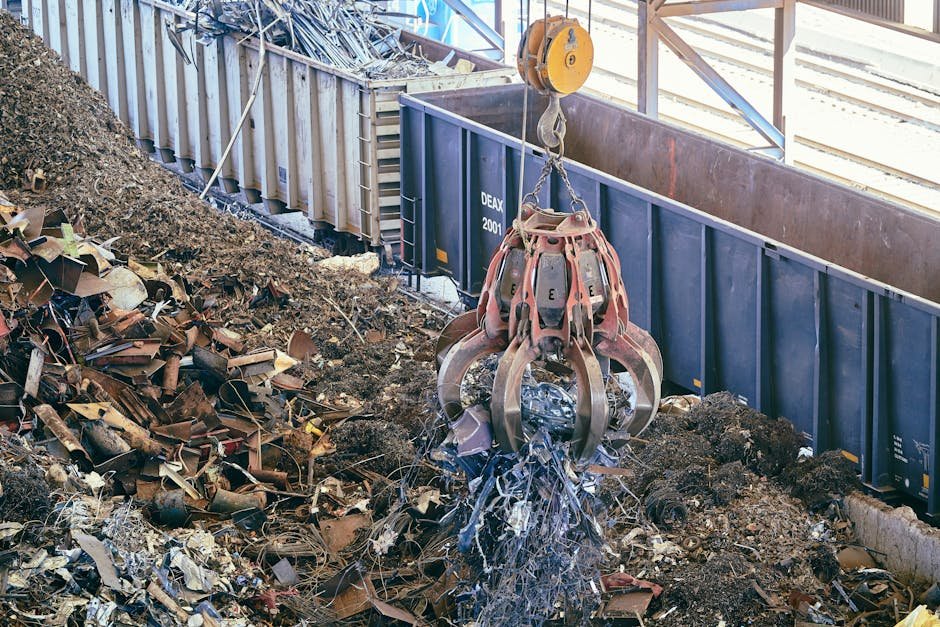

When searching for scrap metal recyclers near me, you are taking a significant step toward both personal financial gain and broader environmental sustainability. In Australia, the metal recycling industry is a cornerstone of the circular economy, transforming discarded industrial, commercial, and residential waste into valuable raw materials. Whether you are a tradesperson clearing a job site or a homeowner cleaning out the garage, understanding the landscape of local metal recycling is essential for maximizing value and ensuring responsible disposal.
For those looking to optimize their returns, it is helpful to consult our guide on how to Sell Scrap Metal Near Me In 2026. By partnering with reputable scrap metal recyclers, you ensure that your materials are processed according to the highest industry standards, reducing the need for virgin ore extraction and lowering the overall industrial carbon footprint of Australian manufacturing.
Understanding the Metal Recycling Process
The journey from a pile of rusted steel or copper wiring to a refined metal ingot is a sophisticated industrial process. When you visit a recycling centre, the material undergoes several critical stages before it can be reused. The process typically begins with collection and sorting. At a Scrap Metal Recycling Near Me facility, experts use magnets, eddy currents, and X-ray fluorescence (XRF) technology to identify metal types and purity levels.
Once sorted, the metals are processed through shredding and shearing. Shredding breaks down large items, such as appliances or vehicle bodies, into smaller, uniform pieces. This increases the surface area, making it easier to separate ferrous from non-ferrous metals. Following this, the metals are melted in high-temperature furnaces. The molten metal is then purified, cast into ingots, and shipped to manufacturers who use these materials to create everything from new car parts to structural steel beams. This closed-loop system is why local scrap yards are so vital to the modern economy.
Drop-Off vs. Pickup Service: Choosing the Right Option
Deciding between a drop-off at a local scrap yard and utilizing a pickup service depends largely on the volume and type of scrap you possess. For small, manageable loads, a direct drop off at a nearby recycler is often the most efficient route. It allows you to get your material weighed immediately, receive a price quote, and settle payment on the spot. If you are curious about current market rates, checking Scrap Metal Prices before you arrive will give you a benchmark for what to expect.
Conversely, for large-scale demolition projects or industrial cleanouts, a professional pickup service is the industry standard. Many national scrap metal recyclers offer bin hire services. They drop a skip bin at your location, you fill it with sorted scrap, and they return to collect it once it is full. This service is essential for commercial enterprises that generate significant waste but lack the transport infrastructure to move heavy, bulky items safely. When engaging these services, always ensure the operator is licensed and provides transparent weighing records.
The Environmental Impact of Metal Recycling
The environmental benefit of recycling metal cannot be overstated. Every tonne of metal recovered and reprocessed represents a massive saving in energy consumption compared to the production of primary metals. For instance, recycling aluminium saves approximately 95% of the energy required to produce the same amount of aluminium from bauxite ore. This massive energy saving directly translates to a reduced carbon footprint, as less energy demand means lower greenhouse gas emissions from power plants.
Beyond energy, recycling preserves our natural landscapes. Mining operations are invasive, often leading to deforestation, soil erosion, and water contamination. By choosing a nearby recycler, you are effectively reducing the demand for mining, thereby protecting biodiversity. Furthermore, metal is infinitely recyclable—it can be melted down and reformed countless times without losing its structural integrity. This makes it one of the most sustainable materials in existence, provided that it is diverted from landfills and directed toward a proper local scrap yard.
Categorizing Scrap Metal: Grades and Value
Not all scrap metal is created equal. To get the best return, you must understand how to categorize your materials. Metals are primarily divided into two categories: ferrous and non-ferrous. Ferrous metals, such as iron and steel, contain iron and are magnetic. They are the most common types of scrap and are generally lower in price per kilogram but higher in volume. Non-ferrous metals, which include copper, aluminium, brass, lead, and zinc, do not contain iron and are non-magnetic. These are significantly more valuable and are highly sought after by recyclers.
Within these categories, there are specific grades. For example, copper is graded based on its purity and condition. “Bright and shiny” copper, which is clean, unalloyed wire, fetches the highest price. Copper that is burnt, painted, or contains plastic insulation is graded lower because it requires more processing to refine. Similarly, aluminium is graded by its form—cast aluminium, extruded aluminium, or aluminium cans. Understanding these distinctions is the key to maximizing your profit when visiting a scrap metal trading platform.
Safety and Compliance in the Scrap Industry
Safety is the most critical aspect of the scrap metal industry. Both the recycler and the customer have a duty of care. When handling scrap, you should always wear appropriate personal protective equipment (PPE), including heavy-duty gloves and steel-capped boots. Metal edges can be razor-sharp, and heavy loads can cause significant injury if not handled with proper lifting techniques. When you arrive at a recycling centre, follow all site signage and instructions from staff, as heavy machinery and large trucks are constantly in motion.
Compliance is equally important. In Australia, the industry is regulated to prevent the trade of stolen goods. Expect to present valid identification when you drop off your metal. Reputable recyclers maintain detailed records of all transactions to ensure transparency and legal accountability. By working with compliant businesses, you are not only ensuring a fair transaction but also supporting an industry that operates with integrity and professionalism.
Innovations and the Future of Metal Recycling
The scrap metal industry is undergoing a technological revolution. We are seeing the integration of AI-powered sorting robots that can identify and separate alloys with near-perfect accuracy. These advancements mean that even complex, mixed-metal waste streams can now be recycled effectively, further reducing the amount of material that ends up in landfills. As a consumer in my area, you can benefit from these innovations through faster processing times and more accurate pricing.
Furthermore, the shift toward a circular economy is driving manufacturers to design products with their end-of-life recycling in mind. This “design for recycling” philosophy ensures that components can be easily disassembled, allowing for higher recovery rates of precious metals and rare earth elements. As we look toward 2026 and beyond, the role of the individual in the recycling chain will remain pivotal. By consistently choosing to recycle rather than discard, you are contributing to a global effort to conserve resources and stabilize metal markets.
Practical Tips for Maximizing Your Scrap Returns
To get the most out of your scrap metal, preparation is everything. First, separate your metals. A mixed load of steel and copper will often be valued at the lower rate of the steel. By separating the copper, you ensure you get the premium price for the higher-value material. Second, clean your scrap. Remove as much non-metal material as possible—plastic, wood, and rubber attachments all add weight but have zero value, and some recyclers may even charge a penalty for contaminated loads.
Third, keep your scrap dry and stored indoors if possible. Rust can significantly degrade the value of certain metals. Finally, build a relationship with a local yard. If you are a regular supplier, you may be able to negotiate better rates or receive priority service. Keeping a log of the types and quantities of metal you recycle can also help you track your earnings and identify trends in market prices, allowing you to time your sales for when prices are peaking.
The Economic Impact of Local Recycling
Beyond the environmental benefits, the scrap metal industry is a significant economic driver. It creates local jobs, supports logistics and transport sectors, and provides a necessary revenue stream for tradespeople and households. When you choose to recycle locally, you are keeping money within the community and supporting businesses that invest in local infrastructure. The circular economy relies on the active participation of every individual, and every piece of metal recycled is a small contribution to a larger, more sustainable national economy.
If you are unsure where to start, begin by searching for facilities in your immediate vicinity. Look for reviews, check their accepted materials list, and don’t be afraid to call ahead to ask about their current requirements. A good recycler will be happy to answer your questions and guide you through the process. Remember, the goal is to make the process as seamless as possible for everyone involved, ensuring that valuable resources are returned to the production cycle rather than being lost to the waste stream.
Conclusion: Your Role in the Circular Economy
Recycling is more than just a way to clear out clutter; it is an active participation in the preservation of our planet. By understanding the grades of scrap, utilizing the right services, and partnering with reputable scrap metal recyclers near me, you are helping to build a more sustainable future. The metal you recycle today could become the infrastructure of tomorrow, proving that the value of scrap metal extends far beyond the cash in your pocket. Whether you are a large-scale industrial operator or a weekend DIY enthusiast, your commitment to recycling is the engine that drives the circular economy forward. Start today by sorting your scrap and finding a local partner who values your contribution to a cleaner, more efficient Australia.
Frequently Asked Questions
What items are commonly accepted by scrap metal recyclers?
Most recyclers accept ferrous metals like steel and iron, as well as non-ferrous metals including copper, aluminium, brass, and lead. Common items include old appliances, car parts, copper wiring, roofing sheets, and piping.
Do I need to clean my scrap metal before taking it to a recycling centre?
Yes, cleaning your scrap by removing non-metal attachments like plastic, rubber, or wood will significantly increase its value. Clean, sorted metal is easier to process and typically commands a higher price per kilogram.
How are scrap metal prices determined?
Scrap metal prices are influenced by global commodity markets, supply and demand, and the purity of the metal. Prices fluctuate daily, so it is recommended to check current market rates before selling your scrap.
Is it better to use a pickup service or drop off my scrap?
Drop-off is usually best for smaller, manageable quantities, while a pickup service is ideal for large commercial volumes or heavy industrial scrap. Many recyclers provide skip bins for larger collections to make the process easier.