
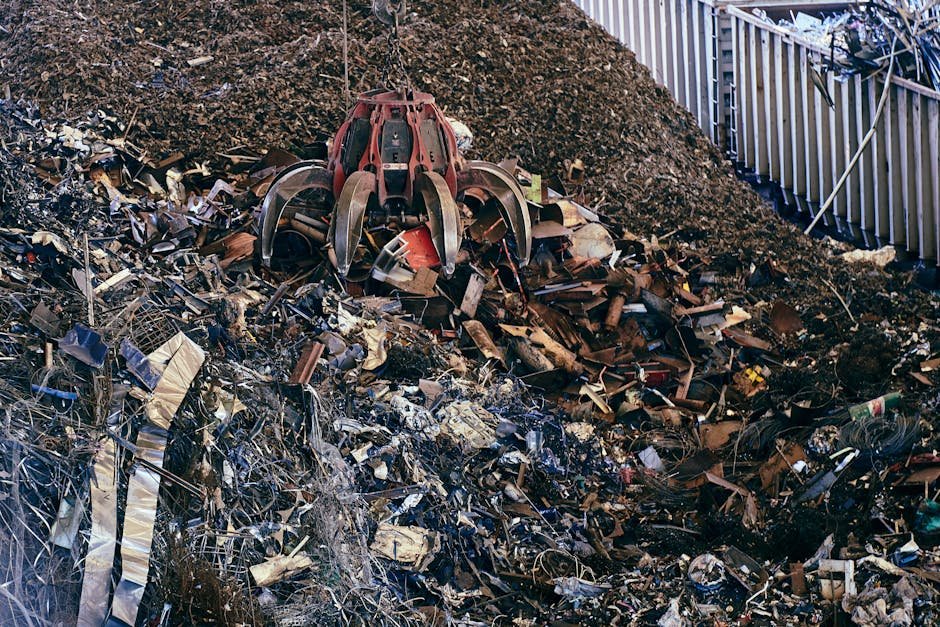

Understanding the landscape of aussie scrap metal is essential for anyone looking to participate in the circular economy, whether you are a trade professional, a demolition contractor, or a household recycler. As Australia moves toward more sustainable industrial practices, the role of scrap metal in the national economy has never been more critical. By diverting tons of material from landfills, we preserve natural resources and reduce the carbon footprint associated with mining virgin ores.
The Economics and Grades of Aussie Scrap Metal
To maximize the value of your materials, you must first understand how the industry classifies different metals. The market for aussie scrap metal is driven by global demand, purity, and the ease with which a metal can be processed. Metals are generally categorized into two primary groups: Ferrous and Non-Ferrous.
Ferrous Metals: These contain iron and are magnetic. They are the backbone of the construction and automotive industries. Common examples include structural steel, cast iron, and light iron. Because they are abundant, they are usually traded in higher volumes but at lower price points per kilogram. When you are ready to offload these, searching for scrap metal recyclers near me can help you find local yards equipped with the heavy-duty shears and shredders required to process large-scale demolition steel.
Non-Ferrous Metals: These are highly prized due to their resistance to corrosion and their infinite recyclability without losing their properties. This category includes copper, aluminium, brass, lead, and stainless steel. Copper, in particular, is a high-value commodity often found in electrical wiring and plumbing fixtures. If you are holding onto these materials, checking current Scrap Metal Prices is vital, as these rates fluctuate based on the London Metal Exchange (LME) and local market conditions.
How the Recycling Process Works
The journey of a piece of scrap metal from a discarded item to a new product is a sophisticated industrial process. It begins with collection and transport. Whether you are looking to Sell Scrap Metal Near Me In 2026, the process remains consistent: your material is weighed, inspected for contaminants, and sorted.
Sorting and Separation: Advanced technology is used to differentiate metals. Magnets are used for ferrous metals, while eddy current separators and X-ray fluorescence (XRF) analyzers are used to identify non-ferrous alloys with extreme precision. Removing contaminants like plastic, rubber, or glass is crucial, as impurities can ruin an entire batch of molten metal.
Processing and Shredding: Once sorted, the metal is often shredded into small pieces to increase the surface-area-to-volume ratio. This makes the melting process more efficient. In major hubs, such as when dealing with hobart scrap metal, specialized facilities handle these materials to ensure they meet the strict specifications required by smelters and foundries.
Melting and Purification: The shredded metal is placed into a furnace. The temperature required depends on the metal type—aluminium melts at a much lower temperature than steel. During this stage, chemicals are added to remove impurities, and the molten metal is cast into ingots, billets, or sheets, ready to be sold back into the manufacturing supply chain.
Environmental Benefits of Metal Recycling
The environmental impact of recycling is profound. Mining for virgin ore is an energy-intensive and ecologically destructive process. By choosing to recycle, we significantly reduce the need for open-pit mining, which destroys habitats and causes soil erosion.
- Energy Savings: Recycling aluminium, for instance, uses 95% less energy than producing it from bauxite ore.
- Emission Reduction: Processing scrap metal emits significantly fewer greenhouse gases compared to primary metal production.
- Landfill Diversion: Metal takes hundreds of years to break down in landfills. Recycling keeps our landscapes clean and prevents heavy metals from leaching into the groundwater.
- Resource Conservation: Metals are finite resources. Recycling creates a “closed-loop” system that keeps materials in use for generations.
For those interested in the broader impact of the industry, you can learn more about sustainable practices at the official Australian scrap trade portal, which provides resources for both commercial and residential recyclers.
Regional Considerations for Australian Recyclers
Australia’s geography presents unique challenges for the scrap industry. Transporting heavy, low-value ferrous scrap over long distances can be cost-prohibitive. This is why local infrastructure is so important. Whether you are in a major capital city or a regional town, finding reliable Scrap Metal Recycling Near Me is the first step toward responsible disposal.
In regions like Tasmania, the industry focuses on efficient logistics to move materials to mainland smelters. In Western Australia, the focus is often on high-volume mining scrap. Regardless of your location, the fundamental principles of sorting your scrap—separating copper from steel, and clean aluminium from dirty alloys—will always result in a better financial return for you and a more efficient process for the recycler.
If you want to stay updated on the latest industry news and data, visit the premier resource for scrap metal trading to ensure you are getting the most out of your recycling efforts.
Tips for Maximizing Your Scrap Returns
If you want to make the most of your aussie scrap metal, you need to treat your scrap like a commodity. Here are professional tips to maximize your profit:
- Sort by Grade: Never mix your metals. A bin of high-value copper contaminated with steel will be priced as low-grade mixed scrap.
- Clean Your Metal: Remove non-metal attachments. For example, remove the plastic casing from copper wire or the steel bolts from aluminium plates.
- Know the Market: Prices change daily. Keep an eye on global trends and local demand.
- Safety First: Always wear gloves and protective gear when handling sharp metal. Use appropriate lifting techniques for heavy loads.
- Build Relationships: If you are a regular supplier, build a relationship with your local yard. They are more likely to offer better service and consistent pricing to reliable, clean suppliers.
Future Trends: The 2026 Outlook
As we head toward 2026, the scrap metal industry is undergoing a digital transformation. We are seeing the rise of blockchain for supply chain transparency, ensuring that recycled metal can be tracked from the source to the final product. This is becoming increasingly important for manufacturers who need to report on their Scope 3 emissions and recycled content targets.
Furthermore, the demand for recycled materials is skyrocketing due to the global transition to renewable energy. Electric vehicles, wind turbines, and solar panels all require vast amounts of copper, aluminium, and rare earth metals. The scrap industry is the primary supplier for these green technologies, positioning it as a cornerstone of the future economy.
The Role of Legislation and Compliance
Compliance with environmental regulations is not optional. Every scrap metal business in Australia must adhere to state-based EPA guidelines regarding the storage, processing, and disposal of hazardous materials. This includes ensuring that fluids from end-of-life vehicles are drained and disposed of properly, and that batteries are handled according to strict safety protocols.
By choosing to work with certified recyclers, you are ensuring that your waste is being handled in an environmentally responsible manner. This protects you from liability and supports an industry that is committed to the long-term health of the Australian environment.
Conclusion: Your Part in the Cycle
The scrap metal industry is more than just a way to make extra cash; it is a vital component of Australia’s industrial infrastructure. By understanding the grades of metal, the logistics of recycling, and the environmental benefits of your actions, you contribute to a more sustainable future. Whether you are a small-scale recycler or a large industrial firm, your efforts in sorting and recycling materials help close the loop on resource consumption. Start by identifying your local facilities, keeping your materials clean, and staying informed about market conditions. Together, we can ensure that Australia remains a leader in the global circular economy.
Frequently Asked Questions
What is the difference between ferrous and non-ferrous scrap?
Ferrous metals contain iron and are magnetic, such as steel and iron, and are generally lower in value. Non-ferrous metals do not contain iron, are non-magnetic, and include high-value materials like copper, aluminium, and brass.
How can I get the best price for my scrap metal?
To get the best price, ensure your metal is clean and sorted by grade. Removing contaminants like plastic, rubber, or other metal types significantly increases the value of your load.
Why is recycling metal better for the environment than mining?
Recycling metal requires significantly less energy than extracting and refining virgin ore. It also prevents habitat destruction from mining and reduces the amount of waste sent to landfills.
Are there items I cannot recycle at a scrap yard?
Most scrap yards do not accept hazardous waste, radioactive materials, or sealed containers that may contain pressurized gases. Always check with your local facility before dropping off unusual items.