
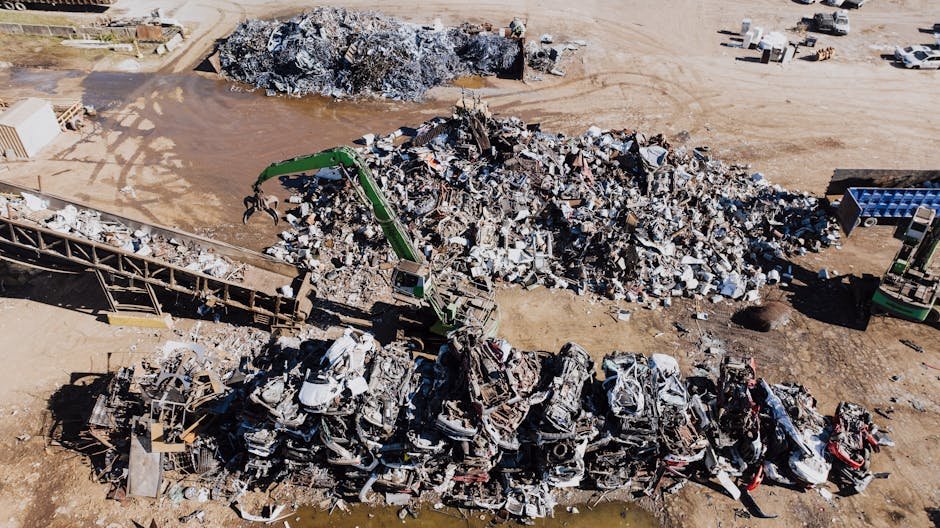

When it comes to metal recycling Campbelltown, residents and businesses have a unique opportunity to contribute to a circular economy while potentially earning significant returns on their waste materials. Campbelltown, as a growing hub in Greater Western Sydney, generates substantial industrial, construction, and domestic scrap, making it a critical node for efficient resource recovery. Whether you are a trade contractor looking to clear a job site or a homeowner cleaning out a garage, understanding the local landscape for metal recycling is essential for both environmental stewardship and financial gain.
The Environmental and Economic Impact of Recycling in Campbelltown
Recycling metal is not merely about clearing space; it is a fundamental pillar of modern industrial sustainability. Every tonne of recycled aluminum or steel significantly lowers the energy demand compared to virgin ore extraction. In the context of Campbelltown, the industrial sectors—ranging from automotive repair shops to heavy manufacturing—produce a constant stream of scrap. By engaging with professional metal recycling campbelltown nsw services, businesses can drastically reduce their carbon footprint.
Economically, the market for scrap metal is global, yet the collection process is hyper-local. When you bring your materials to a reputable facility, you are participating in a supply chain that feeds back into Australian manufacturing. This process supports local jobs and keeps heavy metals out of local landfills, which is vital for the preservation of the Macarthur region’s ecosystem. If you have been searching for a reliable Scrap Metal Recycling Near Me, you are taking the first step toward responsible waste management.
Understanding Ferrous vs. Non-Ferrous Metals
To maximize your returns, you must be able to distinguish between the two primary categories of scrap metal. Ferrous metals, which contain iron, are magnetic and generally include steel, wrought iron, and cast iron. These are common in construction beams, vehicle frames, and old appliances. Because they are abundant, they are usually processed in higher volumes. Conversely, non-ferrous metals—such as copper, aluminum, brass, and lead—are non-magnetic and highly valuable. These metals do not degrade in quality during the recycling process, making them infinitely recyclable.
For those looking for Core Metal Recycling, identifying these materials correctly is the key to getting the best price. Copper piping, electrical wiring, and aluminum extrusions are the “gold” of the scrap industry. If you are unsure about what you have, a simple magnet test is your best tool. If the magnet sticks, it is likely ferrous; if it does not, you are likely holding a more valuable non-ferrous material. For further guidance on identifying your scrap, visit the leading Australian scrap metal marketplace to compare current market trends.
How to Prepare Your Scrap for Maximum Value
Preparation is the difference between a standard payout and a premium return. Many people throw mixed loads into a bin, but professional recyclers prefer sorted materials. By separating your copper from your steel, and your clean aluminum from your dirty aluminum, you save the recycler time, and they often pass those savings on to you in the form of higher rates.
When preparing for scrap metal recycling campbelltown, ensure that your materials are free from non-metallic contaminants. For example, if you are recycling an old electric motor, removing the plastic casing and the steel housing can significantly improve the purity of the copper windings inside. Always remove hazardous materials, such as oil, gas, or chemicals, from any scrap items. Safety is paramount; if a piece of equipment contains fluids, ensure it is drained and cleaned before transport. If you need assistance finding a facility, use the Metal Recycling Near Me tool to locate a site with the proper equipment to handle your specific volume.
The Logistics of Industrial Scrap Collection
For large-scale industrial operations in Campbelltown, the logistics of scrap management can be complex. Managing a construction site requires timely bin services and efficient pickup schedules to ensure that scrap does not become a safety hazard. Many recycling facilities in the area offer specialized bin services, providing heavy-duty skips that can be placed on-site for the duration of a project. This allows for continuous sorting and disposal, keeping the site clean and compliant with local safety regulations.
Effective scrap management also involves understanding the weight and volume of your waste. Industrial clients should maintain a log of their scrap output to track their recycling performance and identify opportunities to reduce waste at the source. Partnering with a professional team ensures that you remain compliant with NSW environmental regulations regarding the disposal of industrial waste. For a comprehensive overview of how to manage these logistics, visit the official Scrap Trade platform for industry-standard best practices.
Safety Protocols in Metal Handling
Handling scrap metal is inherently risky. Sharp edges, heavy weights, and potentially hazardous residues require strict safety protocols. When transporting scrap to a recycling facility, ensure that your vehicle is properly loaded and secured. Overloading a vehicle is not only dangerous but illegal under Australian road laws. Always wear appropriate personal protective equipment (PPE), including heavy-duty gloves, steel-capped boots, and eye protection, when moving or sorting scrap.
Furthermore, be aware of the environmental risks. If you are recycling lead-acid batteries or items containing mercury or other toxins, these must be handled according to strict hazardous waste guidelines. Most reputable Campbelltown recyclers have dedicated areas for these items to ensure they are processed without leaking contaminants into the soil or water table. Never attempt to burn or chemically strip scrap metal, as this releases toxic fumes and is a violation of environmental law.
Future Trends: The Circular Economy in Campbelltown
The future of metal recycling is moving toward greater transparency and technological integration. We are seeing the rise of digital platforms that connect scrap generators directly with processors, ensuring that pricing is transparent and that materials are tracked from collection to rebirth as new products. Campbelltown is perfectly positioned to benefit from these advancements, given its proximity to major logistics routes and industrial zones.
As we move toward a more sustainable future, the focus will shift from simple recycling to “upcycling” and material recovery optimization. This means finding ways to keep high-value alloys in their purest form for as long as possible. By participating in local recycling initiatives, businesses and residents in Campbelltown are not just getting rid of trash; they are feeding a vital engine of the Australian economy. The commitment to high-quality recycling is the foundation upon which future manufacturing will be built.
Practical Tips for Small-Scale Sellers
If you are a casual recycler, you might be intimidated by the industrial nature of scrap yards. Don’t be. Most yards are happy to accept small loads if they are organized. Call ahead to check their opening hours and if they have specific requirements for private sellers. Bring valid identification, as many facilities are required by law to record transactions to prevent the trade of stolen goods. This is a standard procedure and helps maintain the integrity of the recycling industry.
Keep a record of your sales. Even for small amounts, tracking your recycling activity can help you understand the value of the items you discard. Over time, you might find that you are generating enough scrap to justify more frequent trips or larger-scale collection solutions. Remember, the goal is to keep materials in the loop, so even small contributions help reduce the demand for mining and energy-intensive smelting processes.
Conclusion
Metal recycling in Campbelltown is a vital service that supports both the local economy and the global environment. By understanding the value of your materials, preparing them correctly, and partnering with reliable local recyclers, you can turn your waste into a resource. Whether you are a business owner managing industrial waste or a resident looking to recycle household metals, the steps you take today have a lasting impact. Utilize the resources provided, stay informed about market trends, and continue to support the sustainable growth of the Campbelltown region through responsible metal recycling practices.
Frequently Asked Questions
What items are most valuable for metal recycling in Campbelltown?
Non-ferrous metals like copper, brass, and aluminum typically command the highest prices due to their high demand and infinite recyclability. Electrical wiring and clean piping are particularly valuable.
Do I need to clean my scrap metal before taking it to a yard?
Yes, cleaning your scrap by removing non-metallic contaminants like plastic, wood, or dirt increases its purity and value. Always ensure that any containers or items are free of hazardous liquids or oils.
Is it legal to sell scrap metal in NSW?
Yes, it is legal, provided the scrap is not stolen and you comply with local regulations. Facilities are required to record your identification details for all transactions to ensure transparency and prevent the sale of stolen goods.
How can I find a reliable metal recycler in Campbelltown?
You can use online directories or search tools like ‘Metal Recycling Near Me’ to find licensed facilities. Look for companies that provide clear pricing, professional safety standards, and proper documentation for your transactions.