
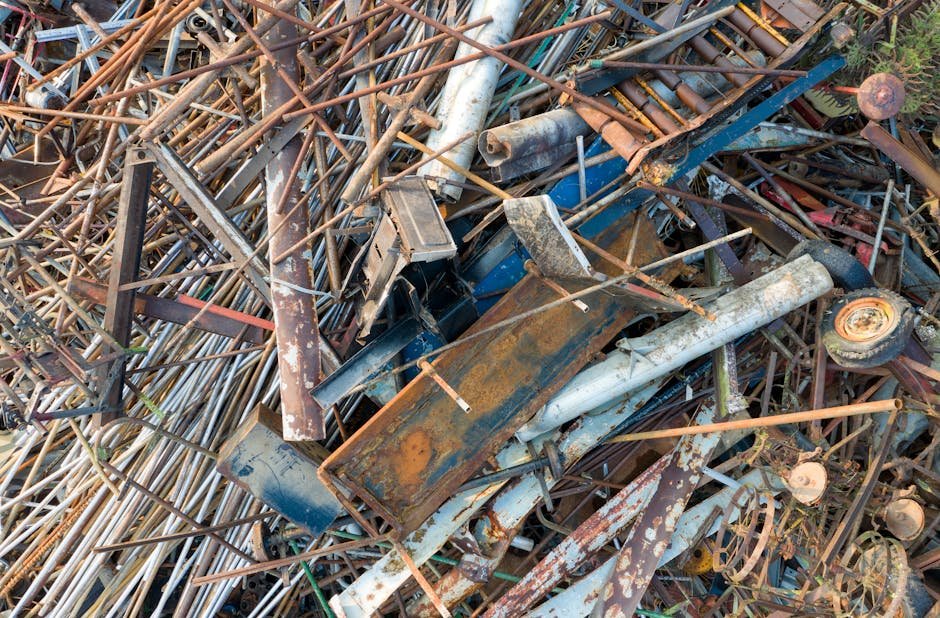

Navigating the landscape of scrap metal recycling Perth requires a deep understanding of market dynamics, material classification, and the local regulatory environment. As Western Australia continues to grow, the importance of efficient waste management and resource recovery has never been higher. Whether you are a trade professional, a demolition contractor, or a household resident looking to clear out a shed, understanding the lifecycle of your scrap is the first step toward turning waste into a sustainable commodity.
The Economics of Scrap Metal Recycling in Western Australia
The scrap industry in WA is a cornerstone of the circular economy. Unlike traditional waste management, which focuses on disposal, the scrap metal industry treats discarded materials as valuable assets. When you search for Scrap Metal Recycling Near Me, you are engaging with a complex global supply chain that starts right here in the Perth metro area. The value of scrap is determined by global commodity prices, which fluctuate based on demand from major manufacturing hubs, particularly in Asia.
Understanding the difference between Scrap Trading Vs Recycling Business models is essential for those looking to enter the industry or optimize their scrap returns. A recycler focuses on the physical transformation of material—shredding, shearing, and melting—whereas a trader focuses on the arbitrage of moving bulk quantities to the right destination. For the average seller, the goal is to identify a facility that offers transparent pricing and professional grading, ensuring you get the best value for your specific metal grade.
Perth’s geographic isolation makes efficient logistics vital. From the industrial zones of Kwinana to the northern suburbs, the ability to transport and process metal locally reduces the carbon footprint of the entire industry. If you are planning your financial strategy for the coming years, it is worth researching how to Sell Scrap Metal Near Me In 2026 to stay ahead of market trends and technological shifts in material recovery.
Understanding Metal Grades: Ferrous vs. Non-Ferrous
To maximize your returns, you must categorize your scrap correctly. The industry divides metals into two primary categories: ferrous and non-ferrous. Ferrous metals, which contain iron, are magnetic and generally lower in value per kilogram but higher in volume. These include steel, cast iron, and wrought iron. In the Perth construction sector, structural steel beams, rebar, and old machinery are the most common ferrous scrap items.
Non-ferrous metals are the “gold” of the recycling world. These include copper, aluminium, brass, lead, and stainless steel. Because these metals do not contain iron, they are non-magnetic and highly resistant to corrosion. Copper, in particular, is a high-demand commodity due to its use in electrical wiring and plumbing. When you bring your scrap to a professional scrap metal recycling facility in Australia, they will use spectroscopic analysis or physical testing to determine the purity of your non-ferrous metals, which directly impacts the price per tonne you receive.
Specific grades within these categories further refine the value. For example, ‘Bright and Shiny’ copper wire is worth significantly more than ‘Burnt’ or ‘Insulated’ copper. Similarly, in the aluminium category, ‘Extrusion’ (window frames) is valued differently than ‘Cast’ aluminium (engine blocks). By separating your scrap into these grades before visiting a yard, you demonstrate professional handling, which often leads to better service and more accurate weight assessments.
The Recycling Process: From Perth Yard to Raw Material
The process of scrap metal recycling Perth follows a rigorous scientific workflow designed to ensure maximum purity. Once the metal arrives at a facility, it undergoes a multi-stage transformation. First, the material is weighed on certified weighbridges. This is a critical step for transparency, ensuring that both the seller and the buyer have an accurate record of the transaction.
Following weighing, the material is sorted. Advanced facilities use magnets for ferrous materials and eddy-current separators for non-ferrous metals. These machines use electromagnetic fields to repel non-ferrous metals, effectively “jumping” them away from the waste stream. This level of automation is why professional facilities are so much more efficient than manual sorting. For those interested in how other regions handle this, comparing Perth’s infrastructure to brisbane scrap metal recycling or caboolture scrap metal recycling shows that while the technology is similar, the logistical challenges of WA’s vast state require unique, robust local solutions.
Once sorted, the metals are processed through shredders or hydraulic shears. Shredding turns large, bulky items like car bodies into fist-sized pieces, making them easier to handle and melt. These pieces are then sent to smelters where they are refined into ingots. These ingots become the raw material for new products, ranging from new car parts to beverage cans. By visiting the industry-leading portal at Scrap Trade, you can stay updated on the latest news affecting these processes and the global metal market.
Environmental Benefits and Sustainability
The environmental impact of recycling metal is profound. Mining virgin ore is an energy-intensive and destructive process. It involves massive land clearing, habitat destruction, and the consumption of enormous quantities of water and electricity. By contrast, recycling existing metal requires a fraction of the energy. For instance, recycling aluminium saves approximately 95% of the energy required to produce the same amount of metal from bauxite ore.
In the Perth metro area, this is particularly relevant. As we move toward a greener economy, the scrap industry serves as an urban mine. Instead of digging into the earth, we are digging into our own waste streams. This reduces the need for landfill space, which is a growing concern for local councils. By diverting tons of metal from landfills, the scrap industry helps preserve the natural beauty of Western Australia and reduces the toxic leaching that occurs when metal oxidizes in uncontrolled environments.
Furthermore, the recycling process creates a closed-loop system. When you recycle a steel beam, that steel can be melted down and reformed into a new beam with zero loss in quality. This infinite recyclability is the hallmark of a sustainable material. Every time you choose to recycle rather than dump, you are actively participating in the reduction of greenhouse gas emissions associated with primary metal production.
Logistics and Safety in the Perth Scrap Market
Safety is the top priority in any professional scrap yard. Whether you are delivering a small load or managing a large-scale industrial pickup, there are protocols to follow. Always wear appropriate personal protective equipment (PPE), including steel-capped boots, high-visibility vests, and gloves. Scrap metal can be sharp, heavy, and unstable, making it a potential hazard for the uninitiated.
Logistics in the Perth metro area often involve specialized transport. If you are dealing with large volumes of scrap, such as demolition waste or end-of-life vehicle fleets, you may require a bin service. Most reputable scrap yards in WA provide bin hire, allowing you to fill a container on-site and have it collected when full. This streamlines the process and ensures that your site remains clean and compliant with local health and safety regulations.
It is also important to consider the legal requirements for selling scrap metal. In WA, there are strict laws regarding the identification of sellers to prevent the trade of stolen goods. Expect to provide valid government-issued identification and, in some cases, proof of ownership for large quantities of industrial scrap. This regulation protects the industry and ensures that the scrap trade remains a legitimate and respected sector of the economy.
Maximizing Your Returns: Tips for Sellers
If you want to get the best price for your scrap, preparation is key. Here are some expert tips for maximizing your returns in the Perth market:
- Sort and Clean: Never mix different grades of metal. A load of copper mixed with brass will be priced at the lower rate of the two. Clean your scrap by removing non-metal attachments like plastic, rubber, or wood.
- Monitor the Market: Metal prices change daily. Keep an eye on global commodity indexes. If you have a large volume, consider holding onto your scrap until prices are favourable.
- Build Relationships: If you are a regular supplier, talk to the yard managers. Consistent, high-quality loads often qualify for better pricing tiers.
- Understand the Volume: Some yards offer better rates for industrial volumes. If you have a significant amount of material, ask for a quote based on your specific tonnage.
- Check for Hazardous Materials: Never bring items containing asbestos, radioactive materials, or sealed gas cylinders. These are dangerous and will be rejected by any professional facility.
By following these simple steps, you transform from a casual seller into a savvy participant in the scrap economy. It is about understanding the value of your material and presenting it in a way that makes it easy for the recycler to process.
The Future of Scrap Recycling in WA
The future of scrap metal recycling Perth is bright, driven by technological innovation and a societal shift toward sustainability. We are seeing the rise of ‘smart’ recycling centers that use AI-driven cameras to identify and sort metals with near-perfect accuracy. These advancements will continue to lower the cost of recycling, making it even more competitive with virgin material production.
Additionally, the transition to electric vehicles (EVs) is changing the scrap landscape. EVs contain different types of metals and batteries that require specialized handling. As these vehicles reach the end of their life cycles, the recycling industry in Western Australia is already adapting to recover valuable lithium, cobalt, and nickel from battery packs, alongside traditional steel and aluminium frames.
Ultimately, the strength of the industry lies in the community. Every resident and business owner in the Perth metro area has a role to play. By choosing to recycle, you are supporting local jobs, protecting the WA environment, and contributing to a global effort to conserve our planet’s finite resources. Whether you are near Fremantle or in the outer suburbs, there is a professional recycling partner ready to help you manage your scrap efficiently and profitably.
Conclusion
The scrap metal industry is far more than just a place to dump old junk; it is a vital engine of the modern economy. From the complex sorting processes in Perth’s industrial hubs to the global trade of high-grade copper and steel, the industry is essential for sustainable development. By understanding the grades, the recycling process, and the environmental benefits, you can make informed decisions that benefit both your wallet and the planet.
As we look toward 2026 and beyond, the integration of better technology and more robust logistics will only improve the efficiency of the sector. Whether you are a first-time seller or a long-term industry partner, staying informed through resources like our expert guides ensures you are always getting the best value. Remember, every piece of metal recycled is a step toward a cleaner, more sustainable future for Western Australia.
Frequently Asked Questions
What is the most valuable scrap metal to recycle?
Copper is generally the most valuable scrap metal due to its high demand in electrical and plumbing industries. Clean, bright, and shiny copper wire commands the highest prices per kilogram.
Do I need identification to sell scrap metal in Perth?
Yes, under Western Australian regulations, you must provide valid government-issued identification when selling scrap metal. This is a standard measure to prevent the trade of stolen goods.
How does sorting my scrap help me get more money?
Sorting your metal by type and grade prevents ‘down-grading,’ where a mixed load is priced at the lowest common denominator. Clean, sorted loads are easier for recyclers to process and typically earn a higher payout.
Can I recycle items that have plastic or wood attached?
While some facilities can handle minor attachments, it is highly recommended to remove plastic, rubber, and wood before selling. Clean material is more valuable and speeds up the weighing and grading process.