
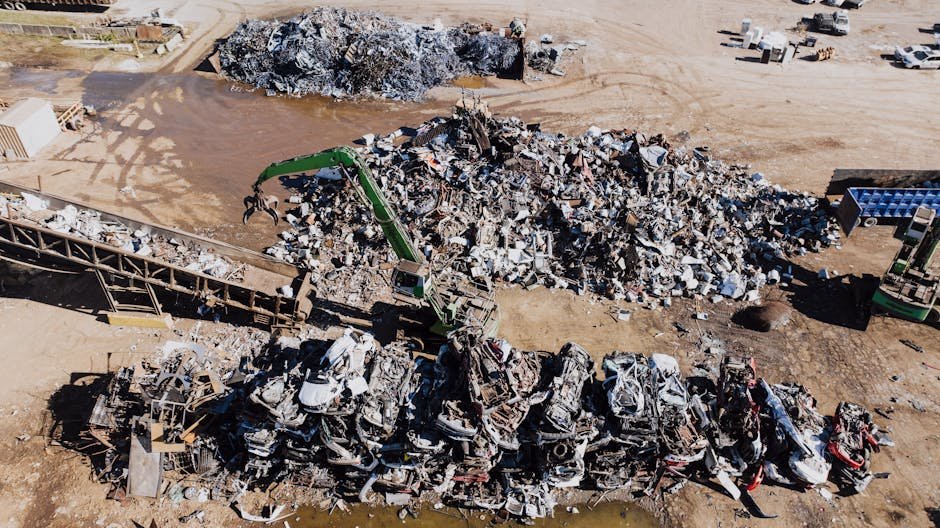

When it comes to scrap metal recycling Wetherill Park, businesses and residents alike are tapping into a vital component of Australia’s circular economy. As one of Sydney’s most significant industrial hubs, Wetherill Park serves as a critical node for the collection and processing of industrial waste. Understanding the nuances of this industry is essential for anyone looking to optimize their waste management or capitalize on the value of discarded metals. Whether you are a construction firm clearing a site or a local workshop managing offcuts, navigating the local market requires knowledge of metal grades, current industry trends, and the logistical advantages of working with professional recyclers.
Understanding the Fundamentals of Scrap Metal Recycling
At its core, recycling scrap metal is the process of recovering and processing metal from end-of-life products or manufacturing waste to be used in the creation of new products. Unlike many other materials, metal is infinitely recyclable without losing its physical properties. This makes it a cornerstone of sustainable manufacturing. If you are searching for Scrap Metal Recycling Near Me, you are likely looking for a facility that can handle both high-volume industrial loads and smaller residential drops. The process begins with collection, followed by sorting through advanced technology like magnetic separators and eddy current sensors to distinguish between metals.
The evolution of the industry is fascinating; as discussed in Bg Scrap Metal How Scrap Metal Recycling Is Evolving In The Global Scrap Industry, technological advancements are making the recovery process faster, safer, and more profitable. By utilizing specialized equipment, facilities in Wetherill Park can process vast quantities of material that would otherwise end up in landfills, contributing to the broader goal of reducing carbon emissions associated with primary ore mining.
Categorizing Scrap: Ferrous vs. Non-Ferrous Metals
To maximize the value of your scrap, you must understand the distinction between ferrous and non-ferrous metals. Ferrous metals contain iron and are generally magnetic. Common examples include carbon steel, stainless steel, and cast iron. These are the workhorses of the construction and automotive industries. Because they are abundant, they are usually traded in higher volumes. Conversely, non-ferrous metals—such as copper, aluminum, brass, and lead—are non-magnetic and often hold a higher market value due to their scarcity and the energy-intensive nature of their primary production.
For those interested in York Metal Recycling Efficient And Profitable Scrap Solutions, the key is proper sorting at the source. Mixing metals can lead to contamination, which significantly lowers the value of the entire batch. In Wetherill Park, professional recyclers provide the expertise to help you identify these grades, ensuring that you receive fair market compensation for your materials. Whether you are dealing with copper wiring or structural steel beams, maintaining purity is the single most effective way to increase your returns.
The Environmental Imperative of Recycling
The environmental case for scrap metal recycling Wetherill Park is overwhelming. Mining for virgin ore is an incredibly resource-intensive process that involves massive land disruption, water usage, and high energy consumption. By recycling, we bypass the mining and refining stages. For instance, recycling aluminum saves approximately 95% of the energy required to produce it from raw bauxite ore. This reduction in energy usage directly translates to lower greenhouse gas emissions.
Furthermore, recycling prevents hazardous materials from leaching into the soil and groundwater. Industrial scrap often contains oils, lubricants, or heavy metals that require specialized handling. Professional recycling centers are equipped to manage these substances safely, adhering to strict environmental regulations. If you are operating outside of Sydney, it is worth noting that the principles remain the same, whether you are looking for scrap metal recycling perth or brisbane scrap metal recycling. The goal is always to minimize the footprint of industrial activity.
How the Recycling Process Works in Wetherill Park
The journey from a pile of scrap to a new product is a multi-stage operation. First, the material arrives at the facility, where it is weighed on certified scales. This transparency is crucial for building trust between the recycler and the client. Following weighing, the scrap is sorted. This is where the expertise of the staff becomes apparent; they can distinguish between different alloys by sight, spark testing, or using handheld XRF analyzers.
Once sorted, the metal is often sheared, shredded, or baled. Shredding is particularly effective for larger items like vehicles or white goods, as it breaks the material down into small pieces, allowing for easier separation of non-metallic components like plastics and rubber. Finally, the processed metal is melted down in furnaces to create ingots or billets, which are then sold to manufacturers as raw material. For more information on how these systems integrate with broader market trends, visit the leading scrap metal trading platform for global insights.
Maximizing Your Returns: Practical Tips for Sellers
If you have a significant amount of scrap, preparation is key to ensuring you get the best price. Start by separating your metals. If you have copper, brass, and steel, keep them in distinct containers. Clean your scrap whenever possible; removing non-metal attachments like plastic casings, wood, or heavy grease will significantly improve the grade of your material. A clean load of copper pipe is worth considerably more than copper pipe covered in insulation or solder.
Additionally, keep an eye on market trends. Metal prices fluctuate based on global demand, currency exchange rates, and geopolitical stability. By staying informed through resources like the professional scrap trade portal, you can time your sales to coincide with market peaks. It is also important to build a relationship with a reliable local recycler. A consistent supplier is often treated with better service and more competitive pricing than a one-off visitor.
Regulatory Compliance and Safety Standards
Operating a facility for scrap metal recycling Wetherill Park requires strict adherence to local and state environmental laws. The New South Wales Environment Protection Authority (EPA) sets rigorous standards for waste management, including the storage and handling of scrap metal. This ensures that the process does not negatively impact the local community or the environment. When choosing a recycler, always ensure they are fully licensed and compliant with these regulations.
Safety is equally paramount. Scrap yards are high-traffic areas with heavy machinery, moving vehicles, and sharp materials. Reputable recyclers maintain high safety standards, providing clear signage, designated drop-off zones, and mandatory personal protective equipment (PPE) for staff and visitors. By prioritizing safety, these facilities ensure that the recycling process remains sustainable not just for the planet, but for the workers who keep the industry moving.
The Future of Metal Recycling: Innovation and Sustainability
Looking ahead, the scrap metal industry is poised for significant transformation. Digital tracking systems and blockchain technology are being explored to trace the lifecycle of metals, ensuring transparency from the point of origin to the final product. This is particularly important for industries like automotive and aerospace, which require high-purity recycled alloys. Furthermore, the integration of AI and robotics in sorting facilities is increasing the efficiency of recovery, allowing for the separation of complex materials that were previously considered impossible to recycle.
As Wetherill Park continues to grow as an industrial hub, the role of local recyclers will only become more vital. By adopting these new technologies and focusing on sustainable practices, the industry is not just managing waste—it is actively contributing to the supply chain of the future. The transition to a circular economy is no longer a choice; it is a necessity, and the scrap metal industry is leading the way.
Conclusion: Choosing the Right Partner
Choosing the right partner for your recycling needs is the most important step in the process. You need a facility that offers competitive pricing, transparent weighing, and a commitment to environmental stewardship. By understanding the grades of metal, the importance of sorting, and the broader impact of your recycling efforts, you can turn your waste into a valuable asset. Whether you are a business owner or a private individual, the expertise available in Wetherill Park ensures that your materials are handled with the highest level of professionalism.
Recycling is more than just a transaction; it is a contribution to a cleaner, more efficient world. As you continue your journey in the scrap industry, remember that every kilogram saved from a landfill is a step toward reducing our reliance on virgin resources. Stay informed, keep your scrap clean, and work with trusted professionals to make the most of your recycling efforts.
Related: York Metal Recycling Efficient And Profitable Scrap Solutions
Frequently Asked Questions
What is the most valuable scrap metal to recycle?
Copper is generally considered the most valuable common scrap metal due to its high demand in electrical and plumbing industries. Other high-value metals include brass, stainless steel, and certain aluminum alloys.
Do I need to clean my scrap metal before bringing it to a facility?
Yes, cleaning your scrap metal by removing non-metallic parts like plastic, rubber, or wood will significantly increase its value. Clean, sorted metal is much easier for recyclers to process and commands a higher price.
How do scrap metal prices change?
Scrap metal prices are driven by global supply and demand, the cost of raw ore, and currency fluctuations. Because the market is dynamic, prices can change daily, so it is best to check current market rates before selling.
Is it safe to recycle scrap metal that has been exposed to chemicals?
You should always inform the recycling facility if your scrap has been exposed to chemicals or hazardous materials. Professional recyclers have specific protocols to handle contaminated items safely and legally.