
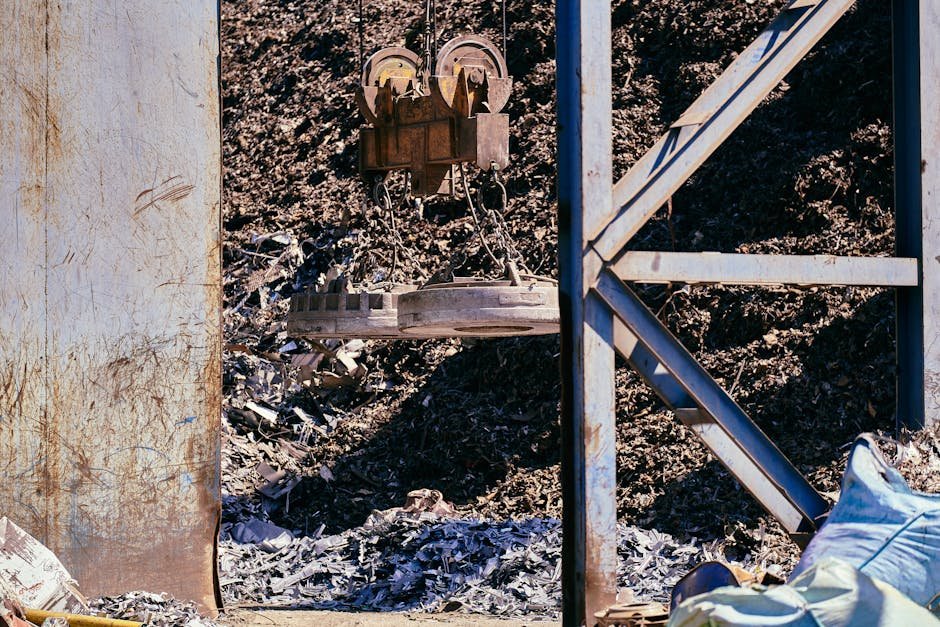

Understanding the intricacies of steel recycling is essential for anyone involved in industrial, construction, or domestic waste management across Australia. As the backbone of modern infrastructure, steel is a highly valuable commodity that can be reprocessed indefinitely. Whether you are dealing with structural beams, mild steel offcuts, or old sheet metal, knowing how to categorize and process these materials is vital for both environmental sustainability and financial gain.
The Environmental and Economic Impact of Steel Recycling
The process of steel recycling is a cornerstone of the Australian circular economy. Unlike many other materials that degrade during the recycling process, steel maintains its chemical properties regardless of how many times it is melted down. This makes it an incredibly efficient material to recover. When we talk about scrap steel, we are referring to the vast quantities of ferrous metal generated from demolition, manufacturing, and end-of-life consumer goods.
By choosing to recycle, industries reduce the need for virgin iron ore extraction, which is an energy-intensive process that leaves a significant carbon footprint. For businesses, the financial incentive is equally compelling. The steel price per tonne fluctuates based on global demand, local supply chain logistics, and the specific grade of the metal. Keeping track of these market movements is a key responsibility of our Recycling Community, where professionals share insights into market trends and best practices.
If you are looking to dispose of large volumes, finding a reliable facility is the first step. You can easily locate a facility by searching for Metal Recycling Near Me to ensure you are dealing with a licensed operator who adheres to strict environmental standards. Proper recycling prevents hazardous materials from leaching into the soil and ensures that the energy embedded in the original production of the steel is not wasted.
Understanding Ferrous Metal Grades and Classification
To maximize your returns, you must understand how scrap yards classify materials. Steel is a ferrous metal, meaning it contains iron and is magnetic. However, not all steel is created equal. The value of your scrap depends heavily on the purity and the physical dimensions of the material.
- Heavy Melting Steel (HMS): This is the gold standard for scrap yards. It usually consists of thick, structural steel, such as I-beams, plates, and heavy machinery parts.
- Mild Steel: Commonly used in general construction and fabrication, mild steel is highly sought after due to its versatility and ease of processing.
- Sheet Metal: This refers to thinner gauges of steel, often found in roofing, vehicle body panels, or appliances. Because it has a higher surface-area-to-volume ratio, it can be more difficult to process in a furnace, which may affect the price.
- Turnings and Borings: These are the small metal shavings produced during machining. While they are still steel, they require specialized processing to be turned back into high-quality ingots.
When you visit a yard, such as those specializing in steel recycling campbelltown, the staff will perform a magnetic test and a visual inspection to determine the grade. High-quality, clean scrap—free from non-metallic attachments like plastic, rubber, or concrete—will always fetch a higher price per tonne than contaminated loads. If you are in the Sydney region or beyond, searching for Scrap Metal Recycling Near Me will connect you with yards that provide accurate weighing and competitive pricing.
Market Dynamics: What Influences the Steel Price Per Tonne?
The steel price per tonne is a reflection of global economic health. Because steel is the primary material used in construction and automotive manufacturing, demand spikes when these sectors are booming. Conversely, when construction slows, the demand for scrap steel can soften.
Several factors influence the price you receive:
- Global Supply and Demand: Major steel-producing nations like China and India significantly influence the global price. When they increase production, they often require more scrap metal as a raw material, driving up prices.
- Logistics and Transport: The cost to move heavy scrap from the point of collection to the processing facility is a major factor. This is why local recycling centers are so important; they minimize transport costs, which in turn allows for better payouts to the seller.
- Processing Costs: Steel that requires extensive cleaning, cutting, or sorting costs more to process. If you deliver your scrap pre-sorted and clean, you are essentially doing part of the work for the yard, which can lead to a better price.
- Currency Exchange Rates: Since metal is traded globally in USD, fluctuations in the Australian Dollar can impact the local price of scrap.
For those looking to stay updated on these shifts, visiting the professional scrap trading platform provides real-time data and industry news. Understanding these variables allows you to time your sales for maximum profit, rather than selling when the market is at a low point.
Best Practices for Preparing Your Scrap Steel
Preparation is the difference between a quick, profitable transaction and a rejected load. Before you head to a recycling facility, take the time to organize your materials. This is a vital part of the scrap steel recycling process.
Sorting is Key: Never mix ferrous metals with non-ferrous metals like copper, aluminum, or brass. Even a small amount of contamination can downgrade an entire load of steel. If a yard finds non-metallic components like wood, plastic, or concrete attached to your steel, they may charge a disposal fee or offer a significantly lower price.
Cutting to Size: Most processing plants use large hydraulic shears. If your steel is oversized, you may be charged for the labor required to cut it down to size. If you have the tools, cutting long beams or large sheets into manageable, standard sizes will make the recycling process much smoother and often results in a higher grade classification.
Safety First: Steel is heavy and sharp. Always wear appropriate personal protective equipment (PPE), including heavy-duty gloves, steel-toed boots, and eye protection. If you are dealing with large industrial structures, ensure you have the correct lifting equipment to avoid injury. Utilizing the leading scrap metal resource can help you find safety guidelines and best practices for handling heavy materials.
The Future of Steel Recycling in Australia
The future of the industry is moving toward greater automation and better sorting technologies. Advanced facilities are now using X-ray fluorescence (XRF) analyzers to identify the exact chemical composition of scrap metal in seconds. This allows for the production of high-purity recycled steel that can be used in high-end applications, such as automotive manufacturing and aerospace components.
As Australia moves toward a net-zero future, the role of recycled steel becomes even more critical. The production of steel from recycled scrap requires up to 75% less energy than producing steel from virgin iron ore. This massive energy saving is a key component of Australia’s national strategy to reduce industrial emissions. By participating in this ecosystem, you are not just trading metal; you are participating in a vital environmental movement.
Furthermore, the growth of the Recycling Community is fostering better collaboration between scrap collectors, processing facilities, and the manufacturing sector. This transparency is helping to stabilize prices and ensure that the supply chain remains robust even during economic downturns.
Maximizing Your Returns: A Strategic Approach
To truly succeed in the scrap business, you need to think like a trader. This means volume management and relationship building. If you are a contractor or a business generating consistent scrap, don’t just sell to the first yard you find. Establish a long-term relationship with a reputable facility. Reliable suppliers often get access to better pricing tiers and faster service.
Consider these strategic steps:
- Keep Records: Track the weight and type of scrap you sell over time. This will help you identify which projects are generating the most valuable scrap and help you forecast your revenue.
- Optimize Collection: Use dedicated bins or skips for different types of steel. Keeping your site clean and organized not only makes it safer but also ensures that your scrap is ready for transport at a moment’s notice.
- Monitor the Market: Use online tools and platforms to keep an eye on the steel price per tonne. When the market is high, that is the time to clear out your warehouse or site.
- Leverage Technology: Modern scrap trading platforms allow you to connect with buyers and sellers directly, reducing the middleman and ensuring you get a fair market rate for your material.
By treating your scrap as a valuable resource rather than waste, you shift your mindset from disposal to recovery. This is the hallmark of a professional approach to steel recycling.
Conclusion: Turning Waste into Wealth
Steel is a finite resource, but through recycling, we can ensure it remains available for generations to come. The process is straightforward but requires attention to detail, proper sorting, and an understanding of market conditions. Whether you are a small-scale collector or a large industrial firm, your contribution to the recycling chain is essential for both the economy and the environment.
By utilizing local resources, staying informed through the Recycling Community, and following the best practices outlined in this guide, you can ensure that you are getting the best value for your scrap steel while contributing to a cleaner, more sustainable Australia. Remember, every tonne of steel recycled is a victory for the planet and a boost to your bottom line. Start by identifying your local facility today and begin your journey toward more efficient and profitable recycling.
Frequently Asked Questions
What is the difference between ferrous and non-ferrous scrap?
Ferrous metals, like steel and iron, contain iron and are magnetic. Non-ferrous metals, such as copper, aluminum, and brass, do not contain iron and are not magnetic, generally commanding higher prices per kilogram.
How can I get the best price for my scrap steel?
To get the best price, ensure your steel is clean, free of non-metallic contaminants like plastic or concrete, and sorted by grade. Delivering your scrap in larger, consistent volumes to a reputable yard will also help you secure better rates.
Why does the price of scrap steel change so often?
Scrap steel prices are driven by global market demand, the cost of iron ore, international trade policies, and local logistics. Because steel is a global commodity, fluctuations in the Australian dollar and overseas manufacturing output directly impact local rates.
Is it worth recycling small amounts of steel?
Yes, even small amounts of steel contribute to the circular economy. While individual small loads may not yield high profits, consistent recycling prevents waste and helps maintain a steady supply of raw materials for local manufacturers.