
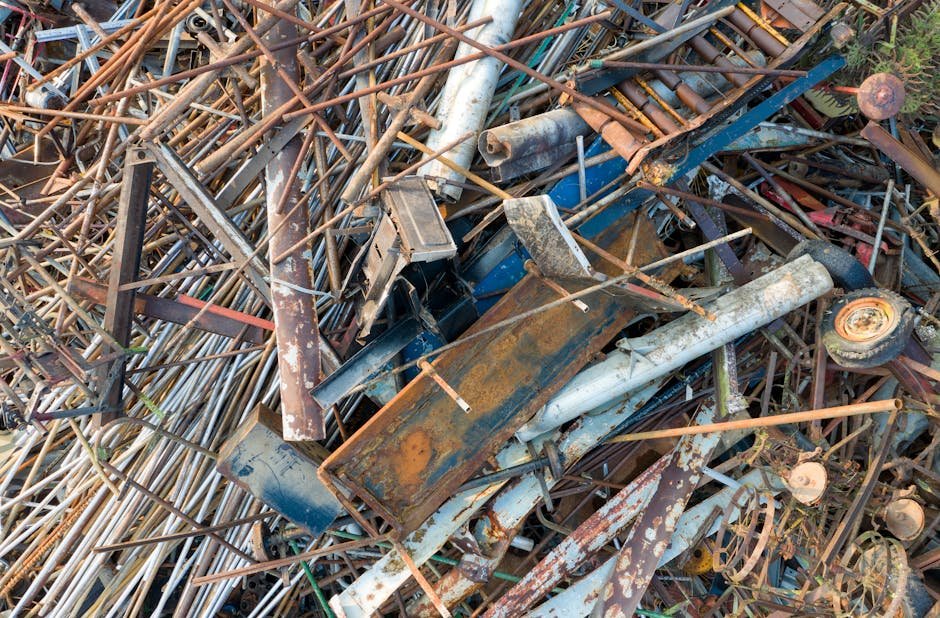

Navigating the world of local scrap metal buyers can be a daunting task for both first-time sellers and industrial contractors. Whether you are clearing out a residential shed or managing waste for a large construction site, understanding the mechanics of the Australian scrap market is essential to maximizing your returns and ensuring environmental compliance. By working with reputable metal scrap buyers, you contribute to a circular economy that reduces the need for virgin ore extraction.
Understanding the Role of Local Scrap Metal Buyers
The primary function of local scrap metal buyers is to bridge the gap between waste generation and industrial manufacturing. These facilities act as collection points where various grades of metal are weighed, sorted, and processed. When you search for where to find these professionals, you are looking for businesses that provide transparent weighing scales, competitive pricing, and efficient logistics. Many individuals looking to Sell Scrap Metal Near Me In 2026 will find that the industry has become increasingly digitized, allowing for better price tracking and faster payments.
Trusted dealers operate under strict environmental regulations. When you choose to work with established buyers of metal scrap, you ensure that your materials are handled according to Australian EPA standards. This is critical because improper disposal of metals like lead, mercury-laden components, or contaminated copper can lead to significant environmental degradation. A professional buyer will provide documentation regarding the recycling process, giving you peace of mind that your contribution is making a tangible difference.
How to Identify Trusted Dealers and Maximize Value
Not all scrap yards are created equal. To identify a reliable partner, look for certifications, clear signage, and a professional facility layout. A trusted dealer will always be transparent about how they determine the value of your load. Before you head out, it is wise to research current Scrap Metal Prices to ensure you have a baseline expectation for your materials. Understanding the market helps you negotiate effectively and prevents you from accepting undervalued offers.
Preparation is the secret to higher payouts. If you bring in mixed loads, the buyer may categorize the entire batch at the lowest common denominator price. Instead, separate your metals by grade. For example, keep your copper piping separate from your steel beams. Clean your scrap of non-metal contaminants like plastic, rubber, or wood. This simple step saves the yard time and labor, which often translates to a higher price per kilogram for you. Always check the official scrap trading portal for industry-standard practices on how to prepare your load for maximum profit.
The Classification of Metal Grades
Metals are generally divided into two main categories: ferrous and non-ferrous. Knowing the difference is the first step in becoming a savvy seller. Ferrous metals contain iron and are magnetic; common examples include steel, iron, and stainless steel. While these are abundant, they are usually lower in value per kilogram compared to non-ferrous metals. Non-ferrous metals, such as copper, aluminium, brass, and lead, do not contain iron and are highly sought after due to their durability and resistance to corrosion.
Within these categories, specific grades exist. For instance, copper is graded based on its purity: ‘Bright and Shiny’ (clean, unoxidized wire) fetches the highest price, while ‘Burnt’ or ‘Insulated’ copper requires more processing and thus commands a lower rate. When you visit professional scrap metal services in Australia, ask the staff to explain how they grade your specific items. This educational approach builds trust and ensures you are accurately compensated for the quality of the material you are providing.
The Scrap Metal Recycling Process: From Yard to Mill
Once your material is purchased, it undergoes a sophisticated recycling journey. The process typically begins with inspection and weighing. After the material is accepted, it is sorted using advanced technologies such as X-ray fluorescence (XRF) analyzers, which determine the exact chemical composition of the metal. This ensures that alloys are not mixed incorrectly, which could ruin a batch of refined metal.
Following sorting, the metal is shredded or sheared into smaller pieces to make it easier to process. These pieces are then passed through magnets to remove any remaining ferrous contaminants. Non-ferrous metals are separated using eddy current separators or density-based flotation tanks. Finally, the processed metal is melted down in furnaces and cast into ingots, billets, or rods. These raw materials are then sold back to manufacturers to create new products, ranging from construction beams to consumer electronics. If you are looking for Scrap Metal Recycling Near Me, you are participating in a vital link in this global supply chain.
Environmental Benefits of Metal Recycling
The environmental case for recycling scrap metal is overwhelming. Mining for virgin ore is an energy-intensive process that involves massive land disturbance, water pollution, and significant greenhouse gas emissions. By recycling one tonne of steel, for example, we save approximately 1,100 kilograms of iron ore, 630 kilograms of coal, and 55 kilograms of limestone. The energy savings are equally impressive, often reducing energy consumption by up to 75% compared to producing new metal from scratch.
Furthermore, recycling prevents hazardous materials from entering landfills. Many scrap items contain heavy metals that can leach into groundwater if left to corrode in a dump. By choosing to engage with local scrap metal buyers, you are actively preventing soil and water contamination. This commitment to sustainability is not just good for the planet; it is a necessary evolution of our industrial habits as we move toward a more sustainable 2026 and beyond.
Practical Tips for Frequent Sellers and Contractors
If you are a contractor or someone who generates scrap metal regularly, building a long-term relationship with a specific yard is highly beneficial. Regular clients often receive access to better pricing tiers, dedicated bin services, and priority processing. When you manage a project, plan your waste removal in advance. Having a dedicated area on-site to sort scrap as it is generated saves significant time at the end of the job.
Always maintain records of your transactions. Professional buyers will provide a weighbridge ticket or a receipt for every load. These documents are essential for tax purposes and for tracking your waste diversion metrics if your company has sustainability KPIs. If you are looking to scale your operations, consult with your chosen buyer about the logistics of bulk collection. Many yards offer skip bin services that can be swapped out as they fill up, streamlining your workflow and ensuring your site remains clean and compliant with safety regulations.
Navigating Market Volatility
It is important to recognize that the scrap market is global and subject to fluctuations based on supply and demand, geopolitical events, and currency exchange rates. A sudden increase in demand for copper in the manufacturing sector will cause prices to spike, while a global economic slowdown might cause them to dip. Savvy sellers keep an eye on these trends. While you cannot control the market, you can choose when to sell. If you have the storage space, holding onto your scrap during a market slump can sometimes pay off if you wait for a recovery.
However, do not let market watching become a distraction. For most individuals, the convenience of clearing out space and getting paid immediately outweighs the potential gains of timing the market perfectly. Focus on finding a yard that offers consistent, fair pricing rather than chasing the absolute highest price for every single load, which can sometimes lead to dealing with less reputable operators.
Conclusion: The Future of Scrap Trading
The scrap metal industry is evolving rapidly. With the integration of digital platforms and better sorting technologies, the process of selling your metal has never been more transparent or efficient. By choosing to work with professional local scrap metal buyers, you are supporting a vital industry that powers the modern economy while protecting our natural environment. Whether you are a homeowner with a few kilograms of copper or a business owner with tonnes of industrial steel, your contribution matters.
Remember to prioritize safety, keep your materials sorted, and stay informed about current market rates. By utilizing resources like the ones mentioned throughout this guide, you can ensure that you are getting the best possible value for your materials. The circular economy relies on the active participation of individuals and businesses alike. Start today by locating a reputable dealer, preparing your materials, and turning your scrap into a valuable resource for the future.
Related: buyers of metal scrap
Related: metal scrap buyers
Frequently Asked Questions
What is the difference between ferrous and non-ferrous scrap?
Ferrous metals contain iron and are magnetic, such as steel and iron, and are generally lower in value. Non-ferrous metals do not contain iron and include valuable materials like copper, aluminium, and brass.
How can I get the best price for my scrap metal?
To get the best price, ensure your metal is clean of contaminants like plastic or wood, and sort your materials by grade before arriving at the yard. Checking current market prices beforehand also helps you negotiate effectively.
Do I need identification to sell scrap metal?
Yes, in Australia, most scrap yards are legally required to record the details of the seller, including photo identification, to prevent the trade of stolen goods. Always bring a valid driver’s license or passport when visiting a buyer.
Why is it important to use a licensed scrap metal buyer?
Licensed buyers follow strict environmental and legal regulations, ensuring that metals are processed safely and that the transaction is documented properly. This protects you from legal liability and ensures the materials are recycled in an eco-friendly manner.