
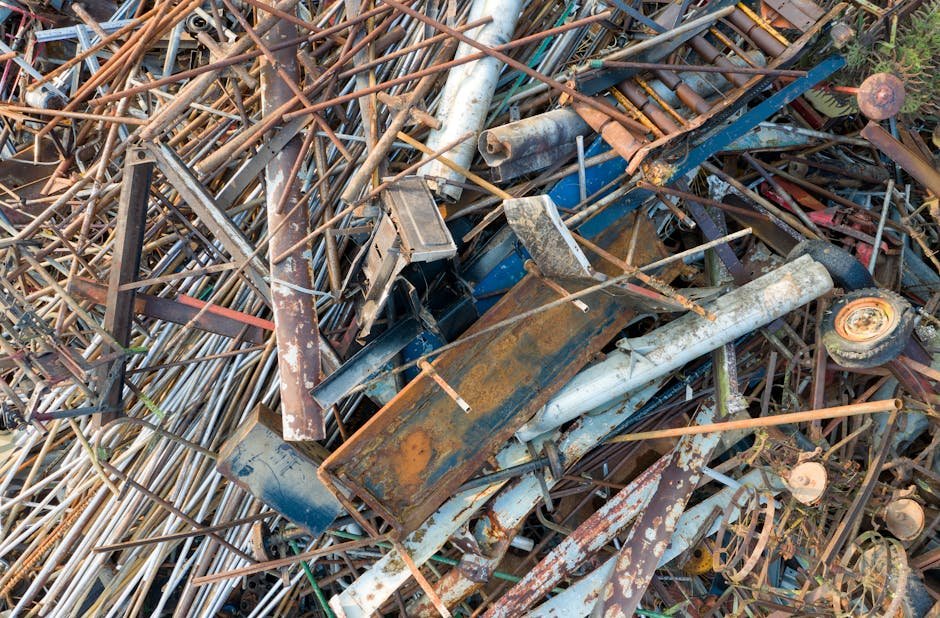

Engaging in scrap metal pick up for cash is one of the most effective ways to declutter your property while contributing to the circular economy in Australia. Whether you are a construction firm clearing a job site or a homeowner cleaning out a garage, understanding the nuances of the scrap market is essential for maximizing your profit. When you seek a reliable Pick Up Scrap Metal For Cash Near Me service, you are not just getting rid of heavy, bulky waste; you are participating in a global supply chain that reduces the need for destructive mining practices. The Australian scrap metal industry is highly regulated and technologically advanced, ensuring that materials are sorted, processed, and melted down to create new products with a significantly lower carbon footprint than virgin materials.
Understanding Metal Grades: Ferrous vs. Non-Ferrous
To truly master the art of scrap metal trading, you must first distinguish between the two primary categories: ferrous and non-ferrous metals. Ferrous metals contain iron, are magnetic, and are generally more abundant. Common examples include mild steel, carbon steel, stainless steel, and cast iron. While these are often lower in price per kilogram compared to their non-ferrous counterparts, they are collected in much higher volumes. If you are looking to Sell Scrap Metal Near Me In 2026, understanding the current market fluctuations for steel is vital for your bottom line.
Non-ferrous metals, on the other hand, do not contain iron, are non-magnetic, and are generally much more valuable. This category includes copper, aluminium, brass, lead, and zinc. Copper is the gold standard of the scrap industry, often fetching high prices due to its infinite recyclability and high demand in the electrical and plumbing sectors. Identifying these metals correctly is the first step in ensuring you receive fair market value. For instance, bright shiny copper wire is graded differently than burnt or insulated copper. By learning to strip insulation and separate alloys, you significantly increase the payout you receive during a professional collection.
The Logistics of Scrap Metal Recycling
The journey from a pile of discarded metal to a refined raw material is a fascinating industrial process. When you arrange for a Scrap Metal Recycling Near Me service, the process typically begins with collection. Professional scrap handlers use heavy-duty vehicles equipped with cranes or hydraulic lifts to transport large quantities of metal from your site to a processing facility. Once the scrap arrives at the yard, it undergoes a rigorous sorting process. Advanced technology, such as X-ray fluorescence (XRF) analyzers, is used to determine the exact chemical composition of the scrap, ensuring that high-value alloys are not contaminated by lower-grade materials.
After sorting, the metal is processed to facilitate easier transport and smelting. This often involves shredding, shearing, or baling. Shredding breaks down large appliances or vehicle frames into small, manageable pieces, while shearing uses powerful hydraulic blades to cut through thick structural steel. Baling compresses light-gauge metals into dense cubes, maximizing shipping efficiency. This systematic approach ensures that the metal is ready for the furnace, where it will be melted down and cast into ingots, billets, or slabs for the manufacturing industry. Whether you require specialized scrap metal pick up canberra services or need local support for cash for scrap metal invermay, the efficiency of the collection logistics remains the cornerstone of the recycling value chain.
Environmental Benefits of Metal Recycling
The environmental impact of recycling scrap metal cannot be overstated. Mining for virgin ore is an energy-intensive, land-disrupting process that generates massive amounts of greenhouse gases. By contrast, recycling existing metal requires a fraction of the energy. For example, producing aluminium from recycled scrap consumes approximately 95% less energy than producing it from bauxite ore. This massive reduction in energy consumption directly translates to lower carbon emissions and a smaller ecological footprint.
Furthermore, recycling preserves our natural resources. Metal is a finite resource, and every tonne of steel recycled saves over a tonne of iron ore, 600 kilograms of coal, and 50 kilograms of limestone. By choosing to recycle, you are actively preventing thousands of tonnes of metal from ending up in landfills, where they could potentially leach chemicals into the soil and groundwater. Our platform, Scrap Trade, is committed to promoting these sustainable practices across Australia, helping businesses and individuals transition to greener waste management solutions. You can find more industry-leading resources at Scrap Trade Australia to further your understanding of the circular economy.
How to Prepare Your Scrap for Collection
Preparation is the key to a seamless scrap metal pick up for cash transaction. First, ensure your metal is free from hazardous materials. Many scrap yards will reject loads that contain asbestos, radioactive materials, or sealed containers (like gas cylinders) that have not been properly vented. Safety is paramount; if you are dealing with industrial machinery, ensure that all oils, coolants, and fuels have been drained and disposed of according to local environmental regulations.
Second, organize your scrap by type. Keep your copper separate from your steel, and your aluminium separate from your brass. When a collector arrives, they can weigh and price your scrap much faster if it is already sorted. This not only speeds up the transaction but often results in a higher payout, as the collector doesn’t have to spend time laboriously separating the materials. If you have large quantities of scrap, consider using pallets or bins to make the loading process safer and more efficient. Using clear communication about the volume and type of material you have will also help the service provider bring the correct equipment to your site.
The Future of the Australian Scrap Market
As we look toward the future, the Australian scrap market is becoming increasingly digitized and transparent. The integration of real-time market data allows sellers to track prices more accurately, ensuring they receive the best possible return for their materials. Technological advancements in sorting—such as artificial intelligence and robotic picking—are making it easier to recover metals from complex waste streams like e-waste, which contains precious metals like gold, silver, and palladium.
The shift toward a circular economy is also being driven by government policy. With stricter regulations on waste export and a growing emphasis on domestic manufacturing, the demand for high-quality recycled metal is at an all-time high. This creates a robust market for those who are willing to participate in responsible recycling. By engaging with reputable collectors, you are ensuring that your scrap contributes to a stable domestic supply chain, reducing Australia’s reliance on imported raw materials and fostering local economic growth.
Why Professional Collection Services Matter
Attempting to transport heavy scrap metal yourself can be dangerous and costly. Professional collection services bring the necessary expertise, insurance, and equipment to handle materials that would otherwise be impossible to move. Whether it is a rusted-out tractor, a pile of leftover construction beams, or a warehouse full of copper cabling, professional collectors have the safety protocols in place to prevent workplace injuries and environmental spills.
Moreover, professional services provide documentation for your waste disposal, which is often a requirement for corporate compliance and environmental reporting. When you use a professional service, you are guaranteed that your metal will be processed in a facility that adheres to strict environmental standards. This peace of mind is invaluable, knowing that your scrap is being handled ethically and legally. Remember, the goal of scrap metal pick up for cash is not just profit; it is about responsible stewardship of our resources and the land.
Maximizing Your Returns: Expert Tips
To get the most out of your scrap, stay informed about market trends. Metal prices are driven by global supply and demand, influenced by factors like international trade agreements, industrial output in major economies, and the cost of energy. Following industry news or using our platform’s price tracking tools can help you decide when to hold onto your scrap and when to sell. Additionally, build a relationship with a local, reputable scrap dealer. Regular sellers often receive better service, more flexible pickup schedules, and sometimes even premium pricing for consistent, high-quality loads.
Finally, do not underestimate the value of “hidden” scrap. Old radiators, car batteries, computer towers, and even household appliances contain valuable components that are often overlooked. By taking the time to strip down these items, you can turn what looks like junk into a significant cash bonus. Always keep safety goggles and gloves nearby when dismantling items, and never attempt to open sealed units that might contain pressurized gases or hazardous chemicals. With the right approach, your scrap metal collection can become a consistent and reliable source of income.
Frequently Asked Questions
What is the most valuable scrap metal to collect?
Copper is generally the most valuable scrap metal due to its high demand in electrical and plumbing applications. Other high-value metals include brass, lead, and clean aluminium.
How do I know if my metal is ferrous or non-ferrous?
The easiest way to tell is by using a magnet. If the metal sticks to the magnet, it is ferrous (contains iron); if it does not, it is non-ferrous.
Can I include hazardous materials in my scrap pile?
No, hazardous materials like asbestos, gas cylinders, or sealed containers with chemicals are prohibited. Always check with your local collector regarding their specific safety guidelines.
How are scrap metal prices determined?
Scrap metal prices are determined by global commodity markets, supply and demand, and the current cost of processing and refining. Prices fluctuate daily based on these economic factors.