
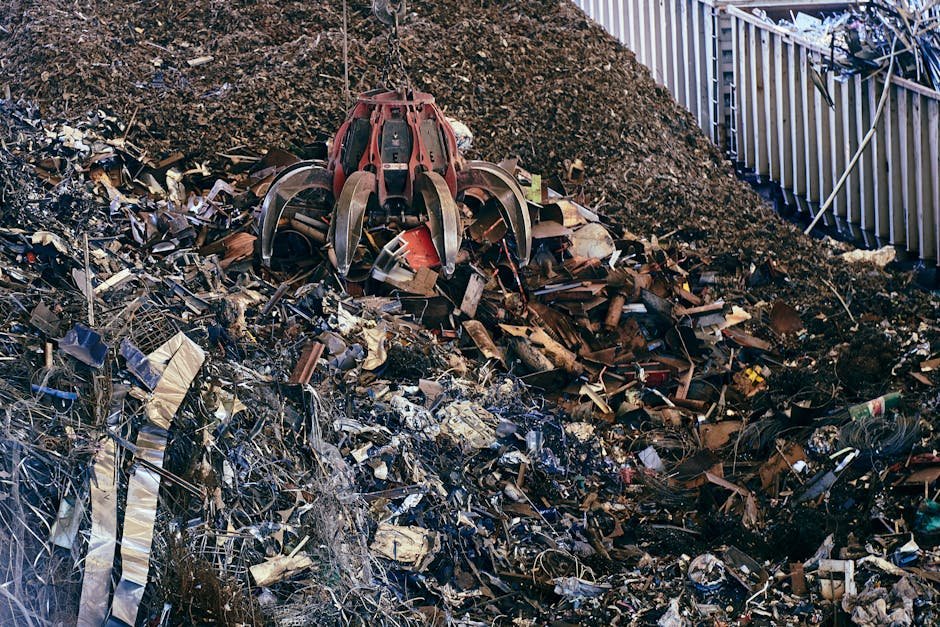

In the complex world of industrial recycling, understanding hs scrap is essential for businesses and individual collectors looking to maximize the value of their metal assets. As an industry-standard term, it represents heavy steel, a foundational material in the global circular economy. When we discuss the nuances of the Scrap market, we are essentially looking at the backbone of modern manufacturing and infrastructure. Whether you are managing demolition waste or industrial offcuts, knowing how to classify and prepare your materials is the first step toward efficient trade.
The Fundamentals of HS Scrap and Ferrous Grading
The classification of metal is the cornerstone of the What Is Scrap Trade discourse. In the Australian market, ferrous metals are categorized based on their chemical composition, thickness, and size. HS scrap, or heavy steel, is prized for its high density and relative purity. Unlike light gauge steel or tin, heavy steel requires significant energy to process, but it yields a much higher return per tonne due to its efficiency in electric arc furnaces (EAFs).
Grading is not merely a suggestion; it is a technical requirement for smelters. Steel mills operate under strict chemical specifications. If a batch of HS scrap is contaminated with non-ferrous metals like copper, brass, or lead, the entire melt can be ruined. This is why professional metal recyclers utilize advanced sorting technologies, including X-ray fluorescence (XRF) analyzers and magnetic separation systems, to ensure that the material meets the stringent ISRI (Institute of Scrap Recycling Industries) standards that are often mirrored in Australian trade.
For those searching for a reliable partner, finding Scrap Near Me In 2026 is becoming increasingly digitized. Our platform provides a transparent view of current market rates and logistics, ensuring that you are not just selling metal, but participating in a sophisticated supply chain. The grading process typically involves:
- Visual Inspection: Checking for surface rust, paint, or attached non-metallic materials like concrete or rubber.
- Size Specification: Heavy steel must often be cut to specific dimensions, such as 600mm x 600mm, to fit into standard furnace charging baskets.
- Chemical Analysis: Ensuring the carbon, manganese, and phosphorus levels are within acceptable ranges for the intended steel mill output.
The Lifecycle: How Metal Recycling Actually Works
The journey of a piece of metal from a demolition site to a new structural beam is a marvel of modern engineering. It begins with collection and transportation. Once the material reaches a processing facility, it undergoes a rigorous sequence of operations. For those interested in specialized categories, exploring scrap e and scrap-e resources can provide deeper insights into the digital tracking of these materials.
The physical processing of HS scrap typically involves heavy-duty machinery. Industrial shears, which exert thousands of tonnes of pressure, are used to cut oversized steel beams into manageable pieces. Alternatively, massive shredders turn car bodies and mixed light steel into “shred,” a uniform product that can be easily separated by density. This mechanical preparation is vital because it increases the surface area of the metal, allowing it to melt faster and more uniformly in the furnace.
After shredding, the material passes over a series of magnets to remove ferrous components from non-ferrous contaminants. Eddy current separators are then used to repel non-ferrous metals, effectively sorting the waste stream into high-purity streams. This level of precision is why the Scrap Trade platform remains a vital resource for industry professionals. By the time the steel reaches the foundry, it is essentially a high-grade raw material ready to be transformed into new, high-strength steel products for the Australian construction sector.
Environmental Benefits of Recycling Heavy Steel
The environmental case for recycling HS scrap is overwhelming. Producing steel from iron ore is an energy-intensive process that involves mining, crushing, and smelting at extreme temperatures. By utilizing recycled steel, we bypass the mining stage entirely. According to industry data, recycling one tonne of steel saves approximately 1,100 kilograms of iron ore, 630 kilograms of coal, and 55 kilograms of limestone.
Beyond raw material savings, the energy reduction is staggering. Melting recycled steel in an electric arc furnace consumes significantly less electricity than a traditional blast furnace. This reduction in energy demand translates to a massive drop in CO2 emissions. In Australia, where the transition to a low-carbon economy is a national priority, the recycling industry acts as a silent hero, reducing the carbon footprint of the construction and manufacturing sectors.
Furthermore, recycling prevents heavy metals and other industrial chemicals from leaching into the soil in landfills. When you choose to recycle through a professional Australian scrap metal recycling network, you are ensuring that the material is handled in accordance with local environmental regulations, preventing hazardous waste from entering the ecosystem.
Technological Advancements in Metal Processing
We are currently witnessing a technological revolution in the scrap industry. Artificial Intelligence (AI) and machine learning are being integrated into sorting lines to identify metal grades with human-like accuracy. These systems can distinguish between different alloys of steel, such as stainless steel versus carbon steel, in milliseconds. This precision ensures that the HS scrap supplied to mills is of the highest possible quality, reducing the need for costly additives during the melting phase.
Another advancement is the implementation of blockchain for supply chain transparency. By recording the origin and composition of scrap metal on a digital ledger, recyclers can provide steel mills with “green steel” certifications. These certifications are becoming increasingly valuable as construction firms look to achieve carbon neutrality in their projects. The integration of digital tools is making the industry more efficient, safer, and more profitable for all stakeholders involved.
Logistics and Market Dynamics in Australia
Australia’s geography presents unique challenges for the scrap trade. With vast distances between industrial hubs and processing facilities, logistics play a critical role in the profitability of recycling. Efficient transport networks, including rail and sea freight, are necessary to move large volumes of HS scrap from remote mining or demolition sites to major coastal ports for export or domestic processing.
Market volatility is another factor that participants must navigate. The price of scrap is tied to global demand for steel, particularly in developing economies. When construction booms in Asia, demand for Australian scrap rises, driving up prices. Conversely, economic slowdowns can lead to market softening. Staying informed through real-time data platforms is essential for businesses that rely on consistent cash flow from their metal waste streams. We recommend monitoring global steel indices and local supply chain reports to make informed decisions about when to sell or hold your inventory.
Safety Protocols and Best Practices
Safety is the primary concern in any scrap yard. Dealing with heavy steel involves significant risks, including crushing injuries, fire hazards, and exposure to sharp edges. Strict adherence to Personal Protective Equipment (PPE) standards—including steel-capped boots, high-visibility clothing, and hard hats—is non-negotiable. Furthermore, all equipment operators must undergo rigorous training to handle machinery like excavators, shears, and balers.
For businesses looking to optimize their scrap management, implementing a clean-site policy is the best practice. By segregating different grades of metal at the source, you avoid the cost of secondary sorting and ensure that your HS scrap is not downgraded due to contamination. A well-organized site not only improves safety but also increases the resale value of your material. Always ensure that hazardous materials, such as pressurized cylinders or sealed containers, are identified and removed before they reach the main scrap pile, as these pose severe risks to both personnel and processing equipment.
The Future of the Circular Economy
The future of the scrap industry lies in the concept of the circular economy. This model moves away from the traditional “take-make-dispose” approach toward a system where materials are kept in use for as long as possible. As we look toward 2030, the demand for recycled steel is expected to grow as governments implement stricter carbon taxes and sustainability mandates. HS scrap will remain a critical resource in this transition, serving as the essential feedstock for the next generation of sustainable infrastructure.
By investing in better collection, smarter sorting, and more efficient logistics, the Australian scrap industry is positioning itself as a leader in global sustainable development. Whether you are a small business owner or a large-scale demolition contractor, your role in this ecosystem is vital. By choosing to trade your metal through reputable channels, you are contributing to a cleaner, more efficient, and more sustainable future for Australia and the world.
Conclusion
Mastering the trade of HS scrap is about more than just moving metal; it is about understanding the critical role of heavy steel in the global economy. Through proper grading, efficient processing, and a commitment to environmental stewardship, the recycling industry transforms what many consider waste into the building blocks of our future. As we continue to refine our methods and embrace new technologies, the impact of these efforts will only grow. We encourage you to utilize the resources provided by our platform to stay ahead of market trends, ensure compliant and safe practices, and maximize the value of your scrap inventory. Join us in building a more sustainable future, one tonne of steel at a time.
Frequently Asked Questions
What is the primary difference between HS scrap and light steel?
HS scrap, or heavy steel, is characterized by its thickness and density, typically exceeding 6mm, which makes it more valuable and easier to melt. Light steel is thinner, often requires baling to increase density, and may contain more contaminants, resulting in a lower market price.
Why is it important to keep HS scrap free from contaminants?
Contaminants like copper, plastic, or rubber can cause chemical imbalances in the steel mill’s furnace, leading to brittle or low-quality steel. High purity is essential to ensure the molten metal meets strict industrial standards.
How does the price of HS scrap change over time?
The price of HS scrap fluctuates based on global steel demand, iron ore prices, and shipping costs. Factors like international construction activity and domestic manufacturing output significantly influence these market rates.
Can individuals sell HS scrap to recycling facilities?
Yes, most professional recycling facilities accept scrap from both commercial entities and the general public. However, it is important to check the facility’s specific requirements regarding minimum weight, material preparation, and identification documentation.