
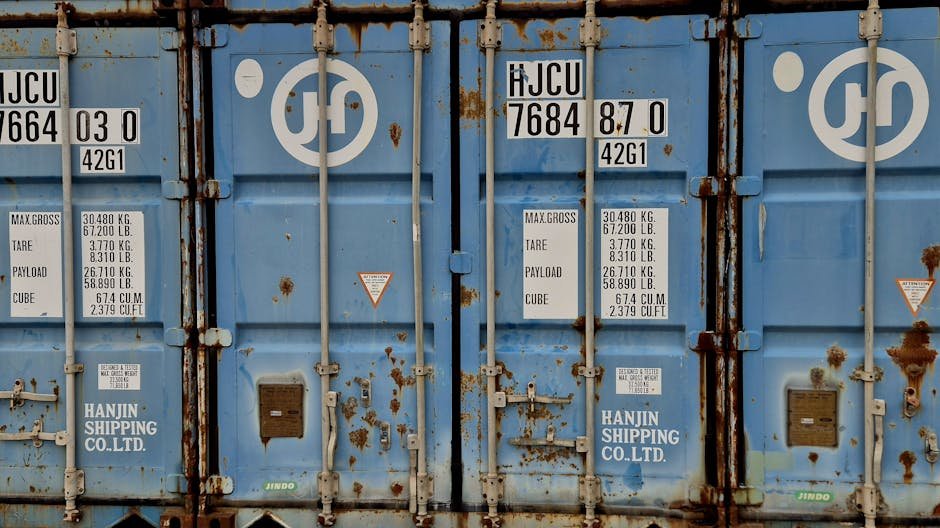

When navigating the complex landscape of the Australian recycling sector, power metal trading group pty ltd stands out as a key entity facilitating the movement of industrial materials. Understanding how such organizations operate is essential for businesses looking to optimize their supply chain, ensure regulatory compliance, and maximize the value of their metal waste. As the industry evolves, the integration of advanced technology and sustainable practices has become the standard for firms like power metal trading group pty ltd, ensuring that metal scrap is treated as a valuable commodity rather than mere waste.
The Role of Power Metal Trading Group Pty Ltd in the Australian Market
The Australian scrap metal industry is a cornerstone of the circular economy, and power metal trading group pty ltd plays a pivotal role in bridging the gap between local collection and international demand. By leveraging sophisticated logistics networks, they ensure that high-quality raw materials are recovered and repurposed, reducing the need for virgin ore extraction. Their operations are not just about collection; they involve rigorous sorting, grading, and processing to meet the stringent specifications of global smelters.
For those looking to understand the broader market, it is helpful to compare these operations with other industry leaders. For example, many businesses find that utilizing Scrapuncle Your Go To Platform For Scrap Metal Trading provides a streamlined way to manage smaller volume transactions, while large-scale industrial entities often partner with specialized groups to handle bulk commodities. The efficiency of the Australian market is heavily reliant on these established players who maintain the infrastructure necessary for large-scale recycling.
Advancements in Metal Scrap Trading and Logistics
In the modern era, success in the scrap industry is driven by data. The shift toward digital transformation has changed how companies track inventory and price fluctuations. Many firms are now adopting scrap metal brokerage and trading software to manage their risk and improve their margins. This software allows for real-time tracking of market prices, which is critical when dealing with volatile commodities like copper, aluminum, and steel.
Effective metal scrap trading requires a deep understanding of global market dynamics. Factors such as shipping costs, currency exchange rates, and international trade policies significantly impact the profitability of scrap exports. By utilizing advanced analytics, trading groups can predict trends and make informed decisions about when to hold or sell their inventory. This analytical approach is what separates high-performing trading groups from traditional scrap yards.
Comparing Industry Players: From Specialized Yards to Trading Groups
While large trading groups manage the bulk of international exports, local yards remain the backbone of the domestic collection system. Businesses often ask how to choose the right partner for their specific needs. If you are a local contractor, you might look toward Mohawk Scrap Yard Your Go To Destination For Scrap Metal Trading for reliable, local-level service. Conversely, large industrial projects might require the scale and technical expertise offered by Griffiths Group Scrap Metal.
The ecosystem is diverse, ranging from small-scale collection points to international export powerhouses. Understanding where your specific business fits into this hierarchy is essential. Whether you are dealing with demolition waste, manufacturing offcuts, or end-of-life vehicle components, there is a specific tier of the industry designed to handle your volume and material type efficiently. To explore a wider range of industry insights, visit the leading scrap metal industry resource hub for detailed market analysis.
Sustainability and the Circular Economy
The environmental impact of metal recycling cannot be overstated. By recycling aluminum, for instance, manufacturers can save up to 95% of the energy required to produce the same amount of metal from raw bauxite. Trading groups are increasingly focusing on sustainability reporting, proving that their processes meet strict environmental standards. This is not only a regulatory requirement but also a competitive advantage in a market that increasingly values green credentials.
For those interested in the technical aspects of sustainability, the professional Australian scrap metal trading directory provides extensive information on how to optimize your waste management processes to minimize carbon footprints. Implementing a robust recycling program can lead to significant cost savings, as companies can often recoup a portion of their initial material investment through scrap rebates.
Practical Tips for Optimizing Scrap Metal Revenue
Maximizing revenue from scrap metal requires more than just selling to the highest bidder; it requires careful preparation and sorting. Here are several practical tips for businesses:
- Segregation is Key: Mixing different grades of metal significantly lowers the overall value. Always keep copper, brass, aluminum, and steel separate.
- Clean Your Scrap: Removing non-metallic contaminants like plastic, rubber, or wood can drastically improve the grade of your scrap.
- Understand Market Cycles: Monitor global commodity prices. Selling during a market peak can result in significantly higher margins.
- Build Long-term Relationships: Partnering with a reputable trader ensures consistent pricing and better service during market downturns.
- Logistics Planning: For large volumes, the cost of transport can eat into your profits. Optimize your pickup schedules to reduce freight costs.
The Future of the Australian Scrap Metal Industry
Looking ahead, the industry is poised for significant growth driven by the global transition to renewable energy. Electric vehicles, wind turbines, and solar panels all require vast amounts of copper, lithium, and steel. As the demand for these materials rises, the role of scrap metal trading groups will become even more critical. We are likely to see increased investment in automated sorting technology, such as AI-driven optical sorters, which will allow for higher purity levels in recovered materials.
Furthermore, the push for “design for recycling” in manufacturing will simplify the recovery process. As companies become more conscious of their supply chain, the transparency provided by digital platforms will become the norm. The industry is moving away from opaque, manual processes toward a fully integrated, transparent marketplace where every kilogram of metal can be traced back to its origin. This evolution will benefit all stakeholders, from the initial generator of the scrap to the final end-user.
Navigating Regulatory Compliance
Operating in the Australian scrap market requires adherence to various state and federal regulations. Environmental protection agencies monitor facilities to ensure that hazardous materials, such as lead-acid batteries or fluids from end-of-life vehicles, are handled safely. Compliance is not just about avoiding fines; it is about maintaining the social license to operate. A reputable trading group will have robust systems in place to manage these risks, ensuring that all materials are processed according to the highest safety and environmental standards.
For businesses, working with a compliant partner is a form of insurance. If you provide scrap to an unlicensed or non-compliant facility, you may inadvertently become liable for environmental damages. Always verify the credentials of your scrap partner and ensure they provide proper documentation for every transaction. This level of due diligence is essential for maintaining a clean and sustainable supply chain.
Conclusion: Choosing the Right Trading Partner
The scrap metal industry is a complex, high-stakes environment where precision and reliability are paramount. Whether you are a small business owner or a large industrial firm, your choice of partner can significantly impact your bottom line and your environmental impact. By understanding the role of major players and utilizing the right tools for market analysis, you can turn your scrap metal waste into a consistent revenue stream.
As the industry continues to innovate, staying informed is your best defense against market volatility. Leverage the resources available at the provided links to keep your business ahead of the curve. With the right approach, you can contribute to a more sustainable future while maximizing the value of your industrial assets. The transition toward a circular economy is well underway, and those who adapt now will be the leaders of tomorrow.
Frequently Asked Questions
What is the primary function of a scrap metal trading group?
A scrap metal trading group facilitates the collection, processing, and international export of recycled metals. They act as a vital link between local businesses generating scrap and global manufacturing markets.
How does sorting affect the value of my scrap metal?
Properly sorting metals by type and grade prevents contamination, which allows you to receive the highest market rate. Mixed loads are typically valued at the lowest common denominator price.
Is it important to use digital trading software?
Yes, digital software provides real-time access to global price trends and inventory management. This helps businesses make data-driven decisions to maximize their profit margins.
Why is sustainability important in the scrap industry?
Recycling metal significantly reduces the energy consumption and carbon emissions associated with mining raw ore. It is also a regulatory requirement and a key component of modern corporate social responsibility.