
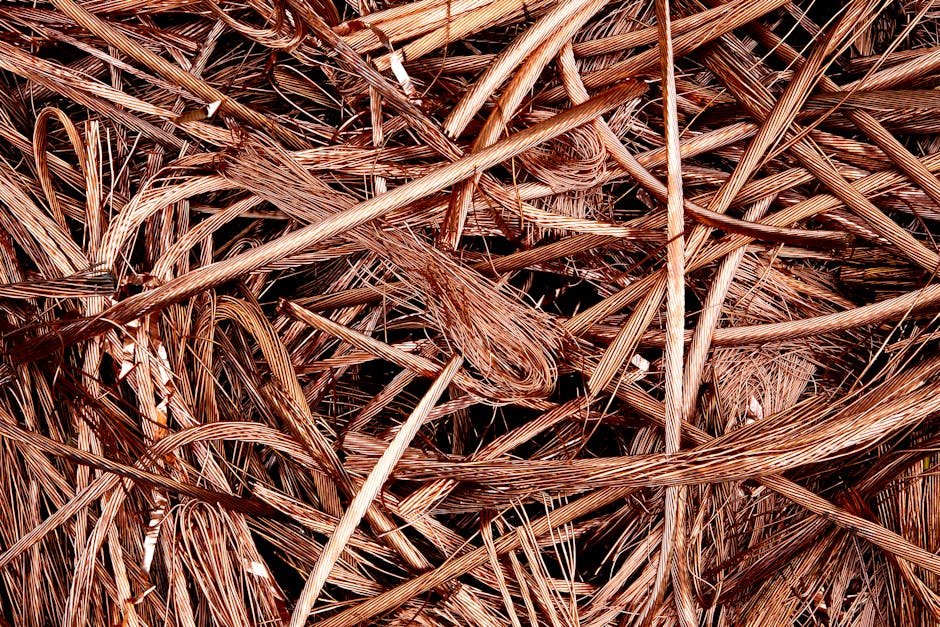

When it comes to scrap copper recycling Chipping Norton residents and businesses have access to a robust industrial network that turns waste into valuable raw materials. Copper is one of the most recycled metals on the planet because it retains its chemical properties indefinitely, making it a cornerstone of the circular economy. Whether you are a tradesperson, a demolition contractor, or a homeowner clearing out a renovation site, understanding the nuances of scrap metal grades is essential to ensuring you receive the best financial return for your materials.
The Economics of Scrap Copper Recycling Chipping Norton
The market for copper is global, but the logistics are local. In Chipping Norton, the proximity to major industrial hubs makes it a strategic location for both small-scale sellers and large commercial entities. Understanding the scrap copper recycling Chipping Norton market requires a look at how the copper price per kg fluctuates based on global demand, supply chain integrity, and the purity of the metal being traded. When you decide to sell your scrap, you are participating in a sophisticated supply chain that bridges the gap between waste management and manufacturing.
For those looking to understand the broader industry, it is worth exploring the difference between Scrap Trading Vs Recycling Business models. Trading focuses on the arbitrage of materials, while recycling involves the physical transformation of scrap into furnace-ready product. For local businesses, finding a reliable partner for Copper Scrap Group logistics can streamline operations and ensure compliance with environmental regulations. If you are searching for a facility, a quick query for Scrap Metal Recycling Near Me will often lead you to specialized yards equipped with the scales and processing machinery required to handle large volumes of non-ferrous metals.
Understanding Copper Grades: From Bare Bright to Number 2
Not all copper is created equal. To maximize your profit, you must be able to identify and separate your scrap into its correct grade. The grading system is standardized to reflect the level of contamination and the effort required to refine the metal back to a pure state.
- Bare Bright Copper: This is the highest grade available. It consists of clean, unalloyed, uncoated, and uninsulated copper wire, typically 16-gauge or thicker. It must be free of oxidation or other impurities.
- Number 1 Copper: This includes clean copper pipe and wire that is free of solder, paint, or other coatings. It is slightly less valuable than bare bright but remains a top-tier commodity.
- Number 2 Copper: This grade contains copper that has some level of contamination, such as solder, paint, or light oxidation. It is the most common grade found in residential plumbing or electrical demolition.
- Insulated Copper Wire: This is graded based on the recovery rate of the copper inside the plastic or rubber insulation. High-yield wire (like THHN) is worth significantly more than low-yield wire (like data cables).
By keeping these grades separate at your worksite, you avoid the “down-grading” that occurs when high-quality copper is mixed with lower-quality materials. If you are operating in nearby areas, you might also be interested in our services for scrap copper recycling greenacre or our convenient greenacre scrap copper pick up options, which help streamline the logistics of large-scale collections.
How the Recycling Process Works
The journey of a piece of scrap copper from a demolition site to a new product is a multi-stage process. First, the material is collected and transported to a recycling facility. Once on-site, the copper is weighed and inspected for quality. Advanced facilities use X-ray fluorescence (XRF) analyzers to determine the exact chemical composition of the alloy, ensuring that impurities are identified before the metal enters the furnace.
After sorting, the copper is often shredded or chopped. This reduces the volume of the material and makes it easier to separate the copper from non-metallic components like plastic insulation or steel attachments. Magnetic separators are used to pull out ferrous contaminants, while eddy current separators are employed to isolate non-ferrous metals from non-metallic waste. The resulting clean copper is then melted down into ingots or billets, which are sold to manufacturers to create new copper wire or copper pipe, completing the cycle.
For those interested in the industry’s digital evolution, our scrap metal trading platform provides real-time insights into market trends and helps connect buyers and sellers efficiently. Furthermore, our professional scrap metal services ensure that every transaction is transparent and compliant with Australian standards.
Environmental Benefits of Copper Recycling
Recycling copper is one of the most environmentally impactful actions an industry can take. Copper is 100% recyclable without any loss of quality, meaning that a copper pipe used in a building today could be recycled and turned into a new electrical component tomorrow. The environmental benefits are staggering:
- Energy Savings: Recycling copper requires up to 85% less energy than mining and refining virgin copper ore. This drastically reduces the carbon footprint of the metal.
- Resource Conservation: Mining is an invasive process that destroys habitats and consumes vast amounts of water. By using recycled copper, we reduce the demand for new mining operations.
- Waste Reduction: Diverting copper from landfills prevents heavy metals from leaching into the soil and groundwater, protecting local ecosystems.
- Reduced Emissions: The processing of primary copper ore releases significant amounts of sulfur dioxide and other pollutants. Recycling bypasses these emissions, contributing to cleaner air.
In the context of the Chipping Norton industrial landscape, prioritizing recycling is not just good for the bottom line—it is a corporate social responsibility that aligns with global sustainability goals.
Best Practices for Scrap Collection and Storage
To get the highest copper price per kg, you need to manage your scrap with care. Proper storage prevents oxidation and contamination, which can downgrade your material. Here are some expert tips:
- Keep it Dry: Moisture is the enemy of copper. Store your scrap in a covered area to prevent corrosion, which can turn bright copper into a lower-value grade.
- Strip Your Wire: If you have the equipment, stripping insulation from wire can significantly increase its value. However, ensure the labor cost of stripping doesn’t exceed the price difference between insulated and bare copper.
- Separate by Type: Never mix your copper with steel, aluminum, or brass. Even a small amount of contamination can lead to a whole batch being downgraded to a lower price tier.
- Use Proper Containers: Use durable, clearly labeled bins for different grades of copper. This makes the sorting process faster and more efficient when you arrive at the scrap yard.
The Future of Copper Recycling in Australia
The demand for copper is projected to skyrocket over the next decade due to the global transition to renewable energy. Copper is essential for electric vehicles (EVs), wind turbines, and solar panels. As the world electrifies, the importance of efficient scrap copper recycling Chipping Norton infrastructure becomes even more critical. Australia is well-positioned to lead in this space by adopting advanced sorting technologies and fostering a culture of circularity.
As we look forward, the integration of blockchain and digital tracking in the scrap industry will provide greater transparency, allowing suppliers to prove the origin and sustainability of their recycled materials. This “green premium” is expected to drive higher prices for ethically sourced and recycled copper, rewarding those who invest in proper recycling practices.
Conclusion: Choosing the Right Partner
Whether you are a local contractor or a large industrial firm, your choice of recycling partner matters. You need a facility that offers fair pricing, accurate weighing, and a commitment to environmental best practices. By understanding the grades of copper and the logistical requirements of the industry, you can ensure that your scrap contributes to a sustainable future while providing a solid financial return.
The scrap metal industry is the unsung hero of the Australian economy. It keeps our cities clean, our resources conserved, and our manufacturing sector supplied with the high-quality materials it needs to innovate. As you navigate the complexities of copper recycling, remember that every kilogram saved from a landfill is a step toward a more efficient and resilient economy.
Frequently Asked Questions
What is the difference between bare bright and number 2 copper?
Bare bright copper is clean, unalloyed, and uncoated wire that is free of oxidation, making it the highest grade. Number 2 copper includes copper that has been soldered, painted, or has light oxidation, which requires more processing to refine.
How can I get the best copper price per kg for my scrap?
To maximize your return, keep your copper clean, dry, and strictly separated by grade. Avoid mixing copper with other metals, and consider stripping insulation from high-yield wire if the labor is cost-effective.
Why is copper recycling considered environmentally friendly?
Recycling copper uses up to 85% less energy than mining and refining virgin ore. It also prevents heavy metals from entering landfills and reduces the need for destructive mining practices.
Does the copper market price change frequently?
Yes, the copper price per kg is influenced by global supply and demand, international trade policies, and commodity market fluctuations. It is recommended to check current market rates before selling large quantities.