
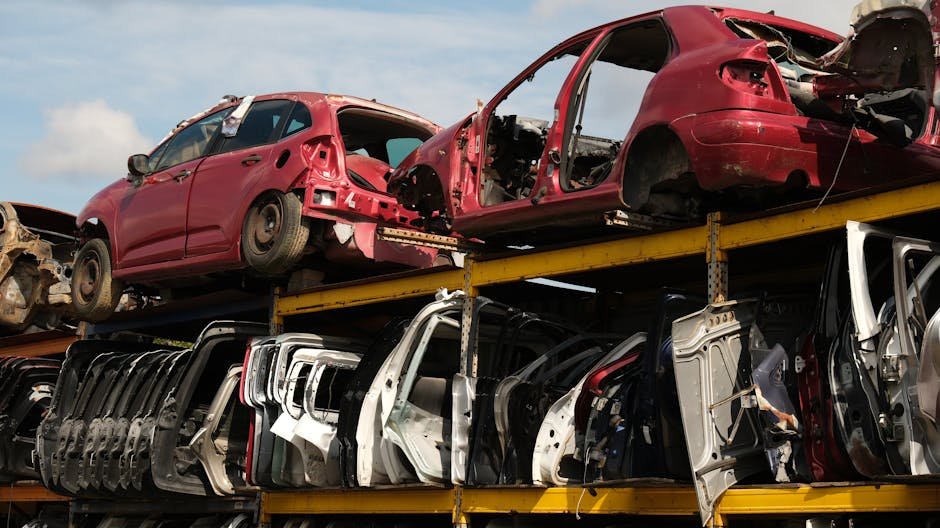

When you are looking for professional car recycling Wollongong services, you are participating in a vital environmental initiative that keeps hazardous waste out of the Illawarra region’s landfills. As vehicles reach the end of their functional lifespan, they are classified as an end of life vehicle (ELV). Rather than letting these assets rust in a driveway or backyard, responsible owners turn to specialized facilities that prioritize sustainability. Whether you are a private owner or a business looking to clear a fleet, understanding the lifecycle of your vehicle is the first step toward responsible disposal.
The Environmental Impact of Vehicle Recycling in the Illawarra
The process of vehicle recycling is far more than just crushing metal. It is a sophisticated industrial operation that prevents environmental contamination. When a vehicle is abandoned, fluids like engine oil, transmission fluid, brake fluid, and coolant can leach into the soil and groundwater, posing a significant risk to the local Wollongong ecosystem. Professional recyclers are equipped with specialized drainage systems to extract these fluids safely. Once removed, these substances are treated or refined for reuse, effectively closing the loop on toxic waste.
Beyond fluid management, the recycling process is a cornerstone of the Recycling Community. By recovering high-grade steel and aluminium, we reduce the need for raw ore extraction, which is an energy-intensive and environmentally destructive process. Every tonne of steel recovered from a car saves significant amounts of iron ore, coal, and limestone. This is why steel recycling is so critical to the Australian economy and our carbon reduction targets. When you choose to recycle your car, you are not just getting rid of a burden; you are providing the raw materials for future manufacturing.
How Car Wreckers Transform Old Vehicles into Resources
Many people confuse simple scrap yards with modern car wreckers. While the goal is similar, modern wreckers operate as sophisticated parts recovery centers. When a vehicle arrives at a facility, the first stage is the “depollution” phase. This is where the car is stripped of its hazardous components. Following this, the vehicle is assessed for auto parts that still hold value. Components like alternators, starter motors, headlights, and body panels are often in perfect working condition even if the engine block itself has failed. These parts are cataloged and made available to the public, offering an affordable way to keep older vehicles on the road.
Once the salvageable parts are removed, the remaining shell—the chassis—is crushed. This metal is then transported to large-scale processing plants. For those searching for a place to drop off materials, finding Scrap Metal Recycling Near Me is essential for ensuring your materials reach a facility that adheres to Australian environmental standards. By consolidating your scrap, you ensure that the recycling process remains efficient and cost-effective.
The Economic Benefits of Responsible Car Disposal
There is a persistent myth that disposing of a car is purely a cost. In reality, the scrap metal market in Australia is robust. Depending on the make, model, and weight of your vehicle, you may be eligible for a cash payment. This value is determined by the current market price of scrap steel and the presence of non-ferrous metals like copper wiring and aluminium radiators. By engaging with a reputable trader, you ensure you receive a fair market valuation for your end of life vehicle.
If you are located in surrounding areas or have other industrial scrap, you might also be interested in metal recycling campbelltown services, which can help manage larger logistical requirements. The key is to work with platforms that provide transparency in pricing. For those who are new to this process, our scrap metal trading platform provides the tools and information necessary to understand current market trends and ensure you are getting the best return for your scrap assets. Furthermore, if you are looking for a broader range of options, you can explore the services offered at Australia’s leading scrap metal network to find a partner that fits your specific location and volume needs.
Navigating the Logistics of Car Recycling
One of the biggest hurdles for vehicle owners is the logistics of transport. If your car is no longer registered or roadworthy, moving it to a recycling facility can seem daunting. Most professional car recycling Wollongong providers offer towing services as part of the package. When you contact a recycler, be prepared to provide the VIN (Vehicle Identification Number), the make and model, and a description of the car’s condition. This allows the facility to provide an accurate quote and coordinate the necessary towing equipment.
Before the tow truck arrives, there are a few practical steps you should take. First, remove all personal items from the vehicle. It is surprisingly common for owners to leave behind important documents or personal belongings in the glove box or trunk. Second, remove your license plates. In New South Wales, you are required to return these to Service NSW to cancel your registration. This prevents any future liability associated with the vehicle. Finally, ensure you have your proof of ownership ready. A reputable recycler will always verify that the person handing over the vehicle has the legal right to do so, which helps prevent the processing of stolen goods.
The Future of ELV Recycling in Australia
The industry is moving toward a “Circular Economy” model. This means that the goal is not just to recycle, but to design vehicles that are easier to dismantle and recycle from the start. We are seeing an increase in the use of recycled plastics and lightweight alloys in modern vehicle manufacturing, which changes the way car wreckers approach the dismantling process. As Australia continues to tighten its regulations around waste management, the role of professional recyclers becomes even more critical.
If you are interested in the broader scope of how we manage our resources, you can learn more about Metal Recycling Near Me and how it integrates with local infrastructure. The shift toward sustainable practices is not just a trend; it is a necessity for the long-term health of our cities. By participating in car recycling Wollongong, you are supporting a local industry that is at the forefront of this transition. You are helping to build a future where waste is viewed as a resource, and where the materials from our past help build the technology of our future.
Practical Tips for Maximizing Your Scrap Value
To get the most out of your end of life vehicle, consider these expert tips:
- Don’t strip the car yourself: While it might be tempting to pull off parts, you might damage the car’s structural integrity or leave behind hazardous materials that make it harder for the recycler to process. Let the professionals handle the dismantling.
- Check for non-ferrous metals: If you have other scrap metal lying around, bundle it with your vehicle. Recyclers often pay more for copper, brass, and aluminium than for standard steel.
- Time the market: Like any commodity, scrap metal prices fluctuate. If you aren’t in a rush, keep an eye on market trends.
- Choose certified facilities: Always ensure the recycler you choose has the appropriate environmental permits. This protects you from future liability if the vehicle is disposed of improperly.
By following these steps, you not only ensure a smooth transaction but also maximize the financial return on your vehicle. It is about working smarter, not harder, and choosing partners who respect the value of the materials you are providing.
Conclusion: Choosing the Right Path for Your Vehicle
The decision to recycle your vehicle is a significant one. It marks the end of a chapter for your car and the beginning of a new one for the materials that comprised it. By choosing professional car recycling Wollongong services, you are making a conscious choice to support the environment, boost the local economy, and ensure that hazardous materials are handled with the care they deserve. Whether you are dealing with a single family sedan or a commercial fleet, the principles of responsible recycling remain the same.
We encourage you to stay informed about the state of the industry. By visiting our dedicated resource pages, you can stay up-to-date on the latest in metal recovery and sustainability. Remember, every piece of metal that is recycled is a victory for our planet. Thank you for doing your part to keep Wollongong clean and sustainable.
Related: Recycling Community
Related: steel recycling
Frequently Asked Questions
How much can I get for my car during car recycling in Wollongong?
The payout depends on the vehicle’s weight, the current market price of scrap steel, and the value of any salvageable parts. You should contact a local recycler with your vehicle’s make and model to get an accurate, no-obligation quote.
Do I need to be present when the car is collected?
Yes, you generally need to be present to sign the transfer of ownership documents and provide proof of identity. This ensures the transaction is legal and protects you from future liability.
What happens to the hazardous fluids in my old car?
Professional recyclers use specialized equipment to drain fluids like oil, coolant, and brake fluid. These are then processed, filtered, or disposed of in accordance with strict environmental regulations to prevent soil and water contamination.
Can I recycle a car that has no engine?
Yes, recyclers will still accept vehicles that are missing parts. The value will be lower, but the metal shell still contains valuable steel that can be recycled, and it is still better for the environment than leaving it to rust.