
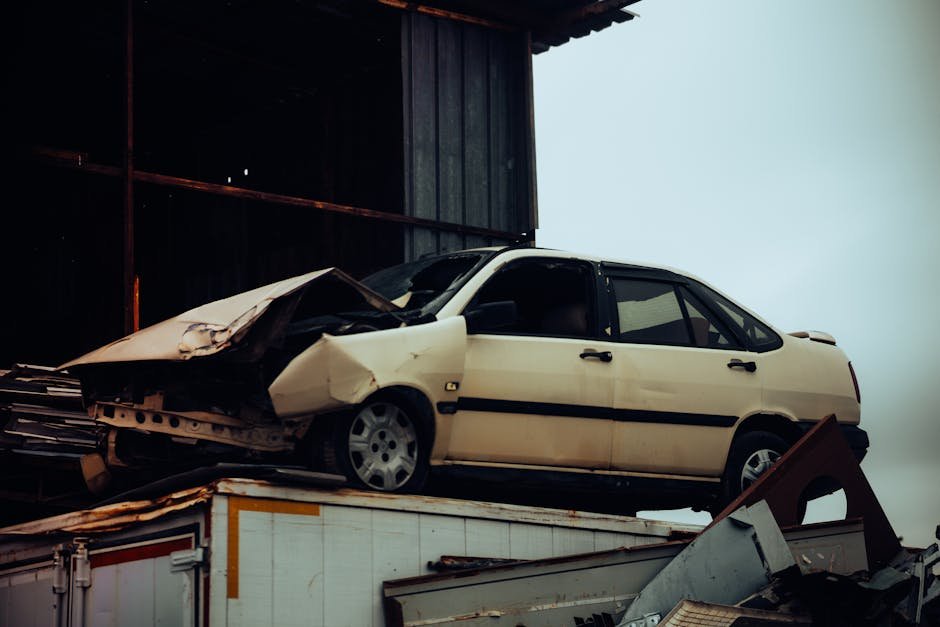

Professional Scrap Car Removal Liverpool: The Complete Guide
When you are looking for professional scrap car removal Liverpool services, you are participating in a vital circular economy that turns derelict vehicles into valuable industrial resources. In the modern automotive landscape, an end-of-life vehicle (ELV) is not merely junk; it is a complex assembly of high-grade steel, aluminium, copper, and precious metals that can be reclaimed and repurposed. Whether your vehicle has suffered catastrophic engine failure, accident damage, or simply reached the end of its roadworthy life, understanding the recycling process is essential for both your wallet and the planet.
The Lifecycle of an End-of-Life Vehicle (ELV)
The journey of an ELV begins the moment it is decommissioned. In Australia, the process of vehicle recycling is highly regulated to prevent soil and water contamination. When you engage a service for scrap car removal Liverpool, the vehicle is transported to a specialized facility where it undergoes a systematic dismantling process. This is far more sophisticated than the traditional image of a car crusher. First, hazardous materials such as lead-acid batteries, mercury switches, and various fluids—including engine oil, transmission fluid, brake fluid, and coolant—are meticulously drained and stored for safe treatment or recycling. This prevents toxic substances from leaching into the Liverpool ecosystem.
Once the vehicle is ‘depolluted,’ the focus shifts to the recovery of high-value components. Skilled technicians at professional car wreckers assess the vehicle for functional auto parts that can be refurbished or sold as second-hand spares. This practice extends the lifespan of existing components, reducing the energy demand required to manufacture new replacement parts. This is a critical component of sustainable automotive management. As more people realize the benefits of digital marketplaces, Why Scrap Sellers Are Moving Online has become a common trend, allowing owners to connect directly with reputable recyclers and secure fair market pricing for their vehicles.
Understanding Scrap Metal Grades in Vehicles
To maximize the value of your vehicle, it helps to understand how scrap metal is graded. Not all metal is created equal, and the value of your car depends heavily on the composition of its materials. The primary categories include:
- Ferrous Metals: This includes the heavy steel frame, chassis, and body panels. While abundant, this is typically the lower-value component of the car. Magnetic properties make these easy to separate using industrial magnets.
- Non-Ferrous Metals: This is where the real value lies. Aluminium (found in engine blocks, wheels, and radiators), copper (wiring harnesses and starter motors), and lead (batteries) are highly sought after by smelters.
- Catalytic Converters: Often the most valuable part of a car, these contain precious metals like platinum, palladium, and rhodium. A professional recycler will always isolate these for specialized processing.
- Plastics and Glass: While these have lower scrap value, modern recycling techniques allow for the granulating of bumpers and dashboards to be used in new manufacturing processes.
By understanding these grades, you can better appreciate the valuation process offered by cash for scrap cars liverpool services. If you are curious about the broader industry mechanics, our guide on Scrap Metal Removal How To Dispose Sell And Maximize Value provides a deep dive into the logistics of metal recovery.
The Environmental Benefits of Vehicle Recycling
The environmental impact of recycling a single car is profound. Every tonne of steel recycled saves approximately 1,100 kilograms of iron ore, 630 kilograms of coal, and 55 kilograms of limestone. When we talk about scrap car removal Liverpool, we are talking about keeping thousands of tonnes of material out of landfills annually. Recycling steel requires 75% less energy than producing steel from virgin ore, which significantly reduces greenhouse gas emissions.
Beyond the metal, the responsible disposal of fluids is a cornerstone of environmental protection. One litre of oil can contaminate a million litres of water; by ensuring your ELV is handled by licensed professionals, you prevent these pollutants from entering the Sydney basin and local Liverpool waterways. This commitment to environmental stewardship is one of the reasons Why Scrap Trade Online Is Growing—the transparency provided by digital platforms ensures that sellers can choose recyclers who adhere to strict environmental standards. For those operating in other regions, similar professional standards apply, such as those found in scrap metal removal brisbane operations.
How to Prepare Your Vehicle for Collection
Preparation is key to a smooth removal process. Before the tow truck arrives, there are several steps you should take to ensure safety and legal compliance. First, remove all personal belongings from the vehicle. It is common for owners to leave items in the boot or glovebox, which can be difficult to retrieve once the car enters the shredder. Check under the seats and in the door pockets thoroughly.
Second, gather your documentation. Even if the car is a non-runner, you should have proof of ownership. This protects both you and the recycler, ensuring that the vehicle is not subject to any liens or legal disputes. If you are looking for a reliable partner, you can visit Scrap Trade to find verified recyclers in your area. Additionally, ensure the vehicle is accessible. If the car is parked in a tight garage or on soft ground, inform the removal team in advance so they can bring the appropriate equipment, such as a tilt-tray truck or a crane, to facilitate the Australian scrap metal marketplace standards.
The Role of Technology in Modern Recycling
The scrap industry is currently undergoing a digital transformation. Gone are the days of relying solely on word-of-mouth or classified ads in local newspapers. Modern technology allows for real-time tracking of scrap metal prices, enabling sellers to time their disposal for maximum profit. Furthermore, digital inventory management systems allow car wreckers to track parts more efficiently, ensuring that usable auto parts are cataloged and made available to the public quickly. This reduces the time a car spends sitting in a yard, improving the overall efficiency of the recycling cycle.
This digital shift also brings greater transparency. Sellers can now read reviews, verify licenses, and get instant quotes online. This level of accountability is essential for the industry’s reputation and ensures that customers feel confident in the process. As the industry continues to evolve, we expect to see even more integration between scrap yards and global commodity markets, further stabilizing prices and improving recycling rates for complex materials like lithium-ion batteries from electric vehicles.
Common Myths About Scrap Car Removal
There are several misconceptions about the scrap car industry that often deter people from recycling their vehicles. One common myth is that only ‘valuable’ cars can be recycled. In reality, every vehicle has a scrap value, regardless of its condition. Even a rusted shell contains steel that can be melted down. Another myth is that the process is inconvenient. With modern scrap car removal Liverpool services, the entire process—from quote to collection—can often be completed within 24 to 48 hours, with payment handled securely on the spot.
Some owners also worry about the legal implications of ‘selling’ a car that is no longer registered. Licensed recyclers are well-versed in the paperwork required to notify the relevant transport authorities that a vehicle has been permanently taken off the road. They act as a bridge between the owner and the authorities, ensuring that you are no longer liable for the vehicle once it is collected. Always ensure that the company you choose is fully licensed and compliant with local council regulations regarding the storage and processing of scrap metal.
Future Trends in Automotive Recycling
As the automotive industry shifts toward electric vehicles (EVs), the recycling sector is preparing for a new challenge. EVs contain large battery packs that require specialized handling and recycling processes to recover lithium, cobalt, and nickel. The scrap car removal Liverpool industry is already investing in the training and equipment necessary to handle these high-voltage systems safely. This evolution is a testament to the industry’s resilience and its ability to adapt to changing technologies.
Furthermore, there is an increasing focus on ‘design for recycling.’ Manufacturers are beginning to use materials that are easier to separate and recycle, which will eventually make the ELV process even more efficient. By supporting professional recycling today, you are contributing to a future where the automotive industry operates on a truly circular model, minimizing waste and maximizing the utility of every material used in vehicle construction.
Conclusion: Choosing the Right Partner
Choosing the right scrap car removal service is about more than just the highest cash offer. It is about choosing a partner who values safety, environmental compliance, and customer service. By understanding the grades of scrap, the importance of depollution, and the benefits of the circular economy, you can make an informed decision that benefits both your pocket and the environment. Whether you are in Liverpool or beyond, the principles of responsible recycling remain the same. Ensure you work with licensed, transparent, and professional operators who are committed to the highest standards of the scrap trade.
As you move forward with your scrap car removal, remember that you are part of a larger movement toward sustainability. Every vehicle recycled is a step toward a cleaner, more resource-efficient future. Keep these insights in mind, prepare your documentation, and engage with reputable services to ensure your scrap car removal experience is efficient, profitable, and environmentally responsible.
Frequently Asked Questions
How is the value of my scrap car determined?
The value is primarily determined by the weight of the vehicle, the current market price of steel, and the presence of valuable non-ferrous metals like aluminium, copper, and catalytic converters. Some cars may also have value for specific auto parts that can be resold.
Do I need to remove the registration plates before scrap car removal?
Yes, in most cases, you should remove your registration plates and return them to the relevant transport authority to cancel your registration. This ensures you are no longer responsible for the vehicle once it is collected.
Is it environmentally safe to scrap a car?
Yes, provided you use a licensed professional. Licensed recyclers are required to safely drain and dispose of hazardous fluids, remove batteries, and recycle metals in a way that prevents soil and water contamination.
How long does the scrap car removal process take?
Typically, the process from getting a quote to the vehicle being collected takes between 24 to 48 hours. Professional services prioritize fast turnaround times to keep the process convenient for the owner.