
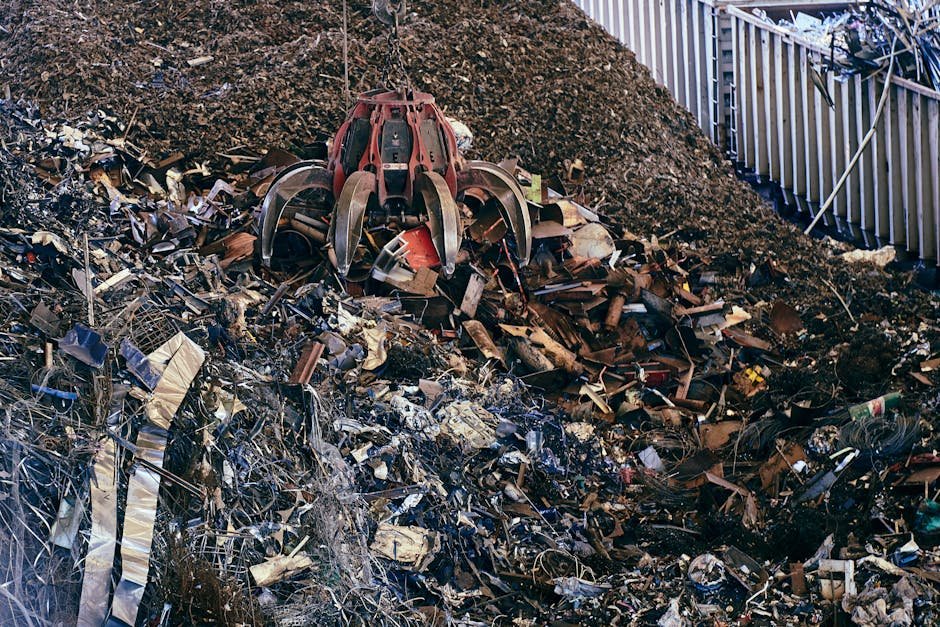

Engaging in wise scrap metal practices is essential for both individual collectors and industrial businesses operating within the Australian market. As the global demand for raw materials intensifies, the ability to effectively manage, sort, and process scrap metal has become a cornerstone of sustainable industrial growth. Whether you are a tradesperson cleaning up a job site or a demolition contractor managing large-scale infrastructure waste, understanding the nuances of metal grades and the recycling lifecycle is the first step toward efficiency. By adopting a wise scrap metal strategy, you ensure that your materials are diverted from landfills and returned to the manufacturing supply chain, preserving natural resources and reducing the energy-intensive process of virgin ore extraction.
Understanding Metal Grades: Ferrous vs. Non-Ferrous
To become a proficient recycler, one must first master the distinction between ferrous and non-ferrous metals. Ferrous metals, which contain iron, are magnetic and generally more abundant. Common examples include carbon steel, stainless steel, and cast iron. Because these metals are prone to rust, their value is often dictated by their cleanliness and the absence of contaminants like plastic or rubber. In contrast, non-ferrous metals—such as copper, aluminium, brass, lead, and zinc—are non-magnetic and highly resistant to corrosion. These metals command higher market prices due to their infinite recyclability without loss of quality.
When you prepare your materials, segregation is key. Mixing different grades of metal can significantly downgrade the value of your entire load. For instance, high-purity copper wiring should never be mixed with brass fittings or aluminium extrusions. If you are looking to optimize your returns, checking the current Scrap Metal Prices is a vital step before heading to the yard. Professional recyclers look for “clean” material—meaning it is free from paint, insulation, or mixed-metal attachments. For those in specific regions, finding a reputable facility like scrap metal greenacre can provide localized expertise on handling these complex material streams.
The Lifecycle of Scrap Metal Recycling
The process of recycling scrap metal is a sophisticated industrial operation that transforms discarded items into high-grade raw materials. It begins at the collection stage, where scrap is gathered from various sources, including automotive wrecking yards, construction sites, and household clean-ups. Once collected, the material undergoes a rigorous sorting process. Advanced technology, such as X-ray fluorescence (XRF) analyzers and magnetic separators, is used to identify the precise chemical composition of the scrap. This ensures that the final product meets the stringent specifications required by smelters and foundries.
After sorting, the metal is processed. This may involve shearing, shredding, or baling to reduce the volume of the material for efficient transport. Shredding is particularly common for end-of-life vehicles, where large machines break down the car into small fragments, allowing magnets to pull out the steel while air classifiers separate the lighter non-ferrous components. If you are ready to participate in this cycle, you can Sell Scrap Metal Near Me In 2026 by utilizing our advanced search tools. For those seeking professional guidance, established entities like norms scrap metal have set the standard for how these materials should be processed and traded in the Australian market.
Environmental Benefits of Wise Scrap Metal Recycling
The environmental impact of recycling is profound. Mining for virgin ore is one of the most energy-intensive and ecologically destructive industries on the planet. It involves massive land clearing, habitat destruction, and the consumption of vast quantities of water and electricity. By contrast, recycling scrap metal consumes a fraction of the energy required to produce metal from scratch. For example, recycling aluminium saves approximately 95% of the energy needed to produce the same amount of metal from bauxite ore.
Furthermore, recycling reduces greenhouse gas emissions associated with mining and refining. It also mitigates the need for landfills, which are increasingly becoming a burden on local councils and the environment. When you choose to recycle, you are supporting a circular economy that keeps materials in use for generations. This is the essence of a wise scrap metal approach: recognizing that every kilogram of recycled metal is a win for the climate. For more information on how to find a facility, check out our comprehensive directory for Scrap Metal Recycling Near Me. You can also visit our main platform at Scrap Trade for industry news and updates, or explore the specialized services offered at Scrap Trade Australia.
Practical Tips for Maximizing Your Scrap Value
Maximizing the value of your scrap requires more than just gathering metal; it requires strategic preparation. First, always remove non-metallic attachments. A copper pipe with plastic valves or a steel beam with heavy concrete attached will be downgraded or rejected. Second, keep your metals dry and covered. Rust and oxidation can lower the grade of your ferrous scrap, and water weight can lead to inaccurate weighing. Third, keep your materials separated by grade in your vehicle or trailer. This allows the yard to process your load faster, which often leads to better service and more accurate pricing.
It is also beneficial to build a relationship with a trusted yard. Understanding their specific requirements for material preparation can save you time and money. Some yards may require wire to be stripped of insulation, while others may accept it as-is for a lower price. Always ask about their specific sorting preferences. By treating your scrap as a valuable commodity rather than just “junk,” you position yourself to get the best possible return on your efforts.
The Future of Metal Recycling in Australia
The Australian scrap metal industry is undergoing a significant transformation driven by technological innovation and stricter environmental regulations. We are seeing a shift toward more automated sorting facilities that can distinguish between complex alloys with incredible precision. This allows for the recovery of rare earth metals and precious components that were previously lost in the waste stream. As we look toward the future, the integration of digital platforms will play a crucial role in connecting suppliers with end-users, ensuring that the supply chain is transparent and efficient.
Sustainability reporting is also becoming a requirement for many businesses. By documenting your recycling activities, you can demonstrate your commitment to environmental social governance (ESG) goals. Whether you are a small business or a large corporation, being part of the recycling ecosystem is no longer just a financial decision—it is a moral one. The industry is moving toward a model where every piece of metal is tracked from its origin to its final destination, ensuring that no material is wasted.
Safety Protocols for Handling Scrap
Safety is paramount when dealing with scrap metal. Many materials, such as old lead-acid batteries, pressurized gas cylinders, and hazardous electronic waste, require specialized handling. Never attempt to cut into sealed containers or pressurized tanks, as these can explode. Always wear appropriate personal protective equipment (PPE), including heavy-duty gloves, safety glasses, and steel-toed boots. Sharp edges are a constant risk in a scrap yard, and heavy lifting should always be performed using proper ergonomics or mechanical assistance.
If you are unsure about the safety of a particular item, always consult with the staff at your local recycling facility before attempting to move or process it. They have the training and equipment to handle dangerous materials safely. Remember that the goal is to recycle responsibly, and that starts with keeping yourself and those around you safe during the collection and transport process.
Economic Impacts and Market Trends
The scrap metal market is inherently global, influenced by manufacturing demand in major economies like China, India, and the United States. When global manufacturing slows, scrap prices often dip, and when it accelerates, demand for recycled metal skyrockets. Understanding these market trends can help you decide when to hold onto your scrap and when to sell. For instance, if you have a large volume of copper, monitoring global commodity prices can help you time your sale for maximum profit.
In Australia, the domestic demand for recycled steel is also growing as the construction industry focuses on more sustainable building practices. Using recycled steel in construction reduces the carbon footprint of new buildings, making it an attractive option for developers. By participating in the scrap market, you are directly contributing to the stability and growth of the Australian economy, providing essential raw materials for local manufacturing and infrastructure projects.
Conclusion: Taking Action Today
Recycling scrap metal is a simple yet powerful way to contribute to a more sustainable future. By learning the grades, preparing your materials correctly, and choosing the right partners, you can turn waste into wealth while protecting the environment. Whether you are a professional contractor or a homeowner, your decisions matter. Start by identifying the materials you have, sorting them by grade, and finding a reputable facility that aligns with your values. The journey toward a cleaner, more efficient Australia starts with the choices you make today. Use the resources provided here to stay informed and maximize your impact in the scrap metal industry.
Frequently Asked Questions
What is the difference between ferrous and non-ferrous scrap?
Ferrous metals contain iron and are magnetic, such as steel and iron. Non-ferrous metals do not contain iron, are non-magnetic, and include valuable materials like copper, aluminium, and brass.
Why is it important to clean my scrap metal before selling it?
Cleaning your scrap by removing non-metallic parts like plastic, rubber, or concrete ensures higher purity. This allows recyclers to offer you a better price because the material requires less processing.
How can I find the best prices for my scrap metal?
You can check current market trends and local facility pricing by visiting reputable industry websites. Comparing prices across different yards and understanding the current grade of your metal will help you secure the best deal.
Is it safe to recycle all types of scrap metal?
Not all scrap is safe to handle. Items like pressurized cylinders, radioactive materials, or hazardous chemical containers require professional disposal and should never be processed by individuals.