
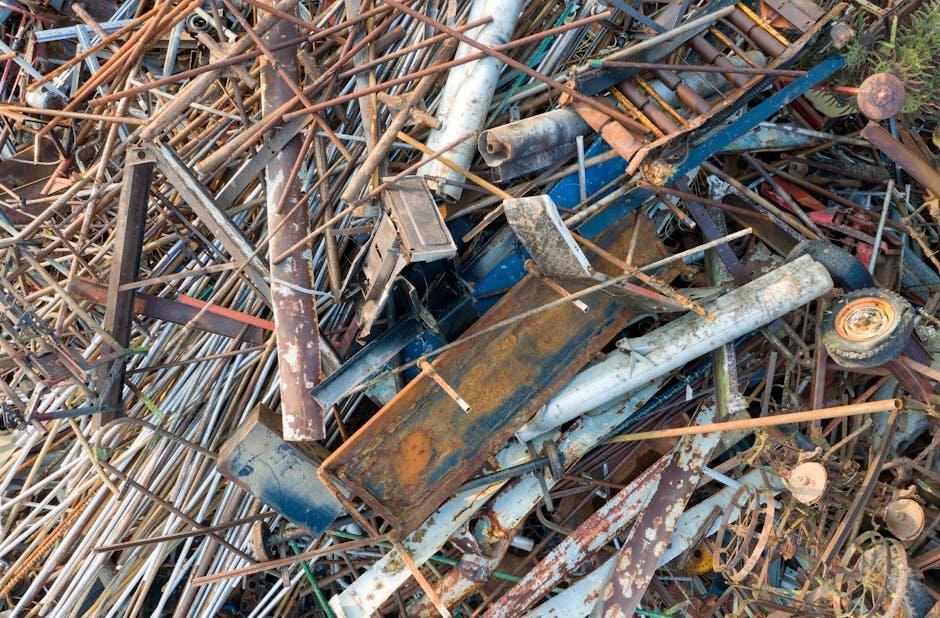

Navigating the world of north shore scrap metal requires more than just a collection of old pipes and wires; it demands an understanding of global commodity markets, material science, and local environmental regulations. As the industrial landscape of Sydney evolves, the demand for sustainable raw materials has skyrocketed, making scrap recycling a cornerstone of the circular economy. Whether you are a local tradie, a construction manager, or a homeowner clearing out a garage, knowing how to categorize and prepare your materials is the key to turning waste into profit. If you are looking to get started, you can Sell Scrap Metal Near Me In 2026 by understanding the current market trends and logistical requirements in the region.
Understanding Scrap Metal Grades and Classification
The pricing and utility of scrap are dictated by its grade. In the north shore scrap metal industry, materials are broadly split into two categories: ferrous and non-ferrous. Ferrous metals contain iron and are magnetic, while non-ferrous metals—such as copper, aluminium, brass, and stainless steel—do not. Non-ferrous metals are generally more valuable due to their infinite recyclability without losing structural integrity.
Within these categories, specific grades exist:
- Copper: The gold standard of scrap. ‘Bright and Shiny’ (Number 1 copper) is unalloyed, uncoated, and free of oxidation. ‘Number 2’ copper includes wire with insulation or slight oxidation.
- Aluminium: Often categorized by purity. Extruded aluminium (like window frames) commands a higher price than cast aluminium or aluminium cans.
- Brass: A copper-zinc alloy. Clean brass (free of steel attachments) is highly sought after by foundries.
- Stainless Steel: Graded by nickel content. The 304 and 316 grades are the most common in industrial kitchens and marine environments.
- Ferrous Metals: Classified by thickness and size. ‘Heavy Melting Steel’ (HMS) refers to thick, structural steel, whereas ‘Light Iron’ refers to thin-gauge steel like household appliances.
By understanding these grades, you can better prepare your loads. Removing attachments like plastic, rubber, or steel screws from copper or aluminium can significantly increase the value of your haul. Always check the latest Scrap Metal Prices before heading to a yard to ensure you are getting a fair market valuation for your specific grade.
The Mechanics of Professional Metal Recycling
The process of recycling north shore scrap metal is a sophisticated industrial operation designed to maximize recovery rates and minimize landfill contributions. It begins with collection and transportation. Once the metal arrives at a facility, the sorting process commences. Modern yards use high-tech equipment such as X-ray fluorescence (XRF) analyzers to determine the exact chemical composition of metal alloys, ensuring that high-value metals are not contaminated by cheaper alternatives.
After sorting, the metal is processed. This may involve shearing (cutting large beams into smaller, furnace-ready pieces), shredding (breaking down cars or appliances into fist-sized chunks), or baling (compressing light metals into dense cubes for efficient transport). These processes are essential for preparing the raw material for the smelter. The efficiency of this process is why many residents and businesses search for Scrap Metal Recycling Near Me, as local proximity reduces the carbon footprint associated with transporting heavy materials. For those operating on a larger scale, professional services from Scraptrade provide the infrastructure needed to manage industrial volumes effectively.
Environmental Benefits and Sustainability
Recycling metal is one of the most effective ways to conserve natural resources. Mining raw ore is an incredibly energy-intensive process that involves massive land disruption and high carbon emissions. By contrast, recycling existing metal requires a fraction of the energy. For instance, recycling aluminium saves approximately 95% of the energy required to produce the same amount of metal from bauxite ore.
Beyond energy savings, recycling prevents toxic substances from leaching into the soil and groundwater. Old electronic waste and appliances often contain heavy metals like lead, mercury, and cadmium. When handled by a certified north shore metal recycling facility, these hazardous materials are safely extracted and neutralized. This commitment to sustainability is why the scrap metal industry is increasingly viewed as a vital partner in Australia’s push toward net-zero emissions. By keeping metals in the supply chain, we reduce the need for destructive mining and ensure that finite resources are used for generations to come.
Logistics and Preparation for Scrap Delivery
Preparation is the difference between a quick, profitable trip to the yard and a wasted journey. When preparing your metal for delivery, safety and organization are paramount. Start by separating your metals by type. Mixing copper with steel can downgrade the entire load to the value of the cheapest material. Use separate bins or bags for different grades.
Safety is equally important. Many scrap items have sharp edges or may contain pressurized components. If you are dealing with industrial machinery, ensure all hydraulic fluids or oils have been drained. If you are uncertain about a specific item, contact a professional facility for guidance. For those in the specific area, searching for scrap metal north shore will help you find local experts who can assist with specialized pickups or advise on the best way to handle large-scale demolition scrap.
Market Trends and Future Outlook
The global scrap market is volatile and influenced by factors such as construction activity, manufacturing demand, and geopolitical stability. In 2026, we are seeing a shift toward more transparent pricing and improved digital tracking of recycled materials. As manufacturers strive to meet ESG (Environmental, Social, and Governance) targets, the demand for ‘green’ recycled steel and copper is expected to rise. This creates a more stable long-term market for those who consistently recycle.
Technological advancements in sorting, such as AI-driven robotic arms and advanced sensor-based sorting, are making the recycling process faster and more accurate. This allows facilities to recover even the smallest fractions of metal that were previously lost to the waste stream. By staying informed on these trends, you can time your scrap sales to coincide with market peaks, maximizing your financial return while contributing to a global cause.
Practical Tips for Maximizing Scrap Value
To get the most out of your recycling efforts, follow these expert tips:
- Keep it Clean: Contamination is the enemy of value. Remove as much plastic, wood, and dirt as possible before weighing in.
- Strip Your Wires: If you have the time, stripping heavy-gauge copper wire of its plastic insulation can significantly increase your payout.
- Sort at the Source: Don’t wait until you reach the yard to sort your scrap. Do it as you collect it to save time and ensure you don’t accidentally mix grades.
- Monitor the Markets: Scrap prices fluctuate daily. Keep an eye on global commodity exchanges to know when it is the best time to sell large quantities.
- Build Relationships: If you are a regular scrap provider, talk to the yard manager. Establishing a long-term relationship can often lead to better service and more consistent pricing.
By treating your scrap collection as a professional venture rather than a chore, you turn a pile of junk into a reliable revenue stream. The transition to a circular economy is well underway, and your participation in the recycling ecosystem is a critical part of that shift.
Conclusion: The Future of Metal Recycling
Recycling is no longer just about cleaning up the garage; it is a sophisticated industrial practice that supports the global economy and protects the planet. From the high-grade copper wiring in a home renovation to the structural steel of a demolition site, every piece of metal has value. By understanding the grades, the environmental implications, and the logistics of the industry, you can ensure that your contribution to the north shore scrap metal pool is both profitable and sustainable.
We encourage all readers to take an active role in the recycling process. Whether you are a small-scale recycler or an industrial contractor, the cumulative impact of your efforts is significant. Start by organizing your next load, checking current market values, and partnering with reputable local facilities. Together, we can continue to refine the recycling process, reduce our reliance on virgin materials, and build a more sustainable future for Australia.
Frequently Asked Questions
What is the difference between ferrous and non-ferrous scrap metal?
Ferrous metals contain iron and are magnetic, such as steel and iron. Non-ferrous metals do not contain iron and include valuable materials like copper, aluminium, brass, and stainless steel.
How can I get the best price for my scrap metal?
To maximize your return, always sort your metals by type and grade before arriving at the yard. Removing non-metal attachments like plastic, rubber, or wood will also help ensure you receive the highest price per kilogram.
Why is it important to recycle scrap metal instead of throwing it away?
Recycling metal saves significant amounts of energy compared to mining raw ore and prevents hazardous materials from entering landfills. It supports the circular economy by repurposing existing resources for new manufacturing.
Is it safe to scrap old appliances or electronics?
Yes, but you must be careful. Many appliances contain refrigerants or hazardous chemicals that must be handled by professionals. Always check with your local recycling facility about their specific safety protocols for hazardous items.