
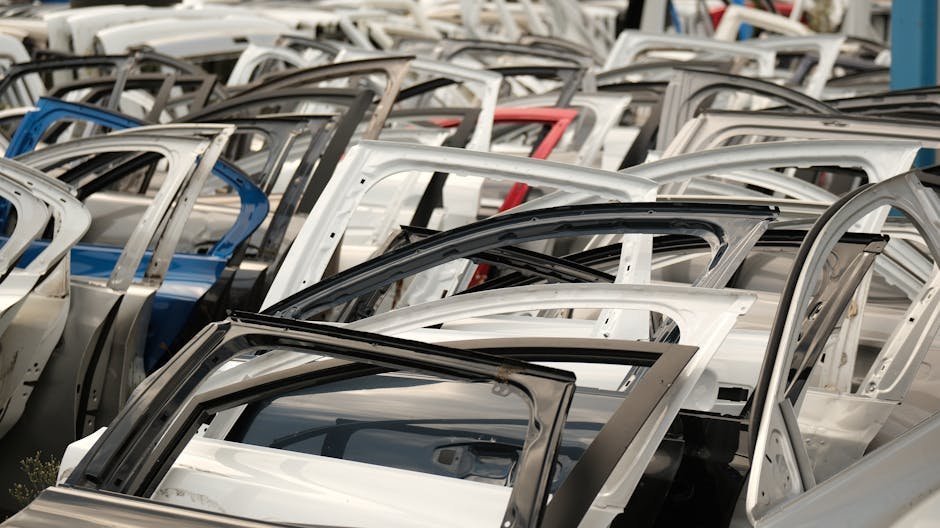

Navigating the complex landscape of als auto parts requires a deep understanding of the Australian automotive recycling ecosystem. Whether you are a professional scrapper, a mechanic sourcing affordable components, or a business looking to optimize your waste management, understanding the lifecycle of these parts is crucial. From engine blocks to intricate electronic sensors, the value hidden within discarded vehicles is immense, provided you know how to process and trade them effectively.
Understanding the Role of ALS Auto Parts in the Circular Economy
The automotive recycling sector in Australia is a cornerstone of the nation’s circular economy. When we talk about als auto parts, we are referring to the systematic recovery of high-value materials from decommissioned vehicles. This process goes far beyond simple crushing; it involves the meticulous dismantling of vehicles to harvest parts that can be refurbished, reused, or broken down into high-purity raw materials. By diverting these components from landfills, the industry significantly reduces the carbon footprint associated with manufacturing new parts from virgin ores.
For those looking to enter the market, it is vital to distinguish between parts that have residual utility and those destined for smelting. High-demand components such as transmissions, alternators, and catalytic converters often fetch a premium. If you are interested in the technical side of the trade, our Buy Alternator Starter Scrap Auto Electrical Parts 2026 Guide provides an exhaustive look at how to grade these specific electrical components for maximum return. The market for als auto parts is highly sensitive to global commodity pricing, making it essential for traders to stay updated with real-time market shifts.
Optimizing Your Scrap Yard Operations
Efficiency is the primary driver of profitability in the scrap metal industry. To succeed, operators must implement rigorous sorting protocols. When a vehicle enters your facility, the first step is the depollution process—removing fluids, batteries, and tires. Once the vehicle is stripped, the remaining carcass is shredded. However, the true value lies in the pre-shredding phase. Many operators fail to maximize their revenue because they treat high-value components as generic scrap steel.
To refine your business model, consider the strategies outlined in our Vehicle Scrap Yard How To Sell Scrap Vehicles And Auto Parts For Maximum Value resource. This guide covers the logistics of storage, the importance of accurate weighing, and how to negotiate with smelters. Furthermore, if your inventory includes heavy-duty components, you might want to Sell Scrap Machinery Parts To Overseas Buyers to tap into international demand where specific metal alloys command higher prices than in the domestic Australian market.
Comparing Market Players: ALS vs. SGS Auto Parts
The Australian market features several key players that define the quality standards of recycled components. While some businesses focus on retail sales of used parts, others specialize in the wholesale trade of scrap metal. For those comparing different suppliers, it is helpful to look into sgs auto parts to understand how different companies categorize their inventory and manage their supply chains. Similarly, regional specialists like al’s auto corowa provide localized insights that are invaluable for those operating in rural or regional areas where logistics costs can significantly impact profit margins.
When selecting a partner for your scrap metal needs, always verify their environmental credentials. A reputable recycler should be fully licensed and compliant with state-level EPA regulations. Engaging with established networks like Scrap Trade allows you to connect with verified buyers and sellers, ensuring that your transactions are transparent and profitable. For those operating on a larger scale, our partners at Australian Scrap Metal Trading offer advanced analytics on metal pricing trends that can help you time your sales for the best possible outcome.
Technical Grading and Metal Recovery
The value of auto parts is determined by their metallurgical composition. Aluminum, copper, and precious metals like platinum and rhodium (found in catalytic converters) are the “gold mines” of the automotive scrap world. To extract maximum value, you must be proficient in identifying these materials. For instance, aluminum engine blocks should be separated from steel frames to avoid contamination, as mixed metals are sold at a lower “dirty” price compared to clean, sorted scrap.
Advanced scrap yards now utilize handheld X-ray fluorescence (XRF) analyzers to identify alloy compositions instantly. This technology takes the guesswork out of the process, allowing you to guarantee the quality of your scrap to buyers. If you are dealing with large volumes, investing in this technology is a prerequisite for scaling your business. Remember, the goal is to move from selling generic scrap to selling high-grade, processed materials that meet the stringent requirements of modern foundries.
Logistics and Export Strategies
Once you have gathered and processed your inventory, the next hurdle is logistics. Australia’s geography presents unique challenges, with long distances between major collection points and export hubs. Developing a robust logistics strategy is essential. Many successful traders utilize intermodal transport—combining road, rail, and sea freight—to move bulk scrap efficiently. When dealing with international buyers, ensure that your documentation is impeccable. Customs regulations regarding the export of scrap metal are strict, and any discrepancy can lead to costly delays or shipment rejections.
Building relationships with freight forwarders who specialize in heavy metals can provide a competitive edge. They understand the nuances of shipping weight-intensive materials and can often secure better rates than general logistics providers. Furthermore, keep an eye on the Australian dollar, as currency fluctuations can significantly impact your margins when exporting to Asian or European markets. A strong dollar might make your exports more expensive, while a weaker dollar can make your scrap highly attractive to international buyers looking for cost-effective raw materials.
Safety and Compliance in the Scrap Industry
Safety cannot be overstated in the scrap metal business. Dealing with heavy machinery, sharp metal edges, and hazardous chemicals requires a culture of safety. Every employee should be trained in the use of Personal Protective Equipment (PPE), including cut-resistant gloves, steel-toed boots, and eye protection. Beyond physical safety, there is the issue of environmental compliance. The improper disposal of lead-acid batteries, coolant, and refrigerants can lead to significant fines and reputational damage.
Most Australian states have specific requirements for the handling of end-of-life vehicles. Ensure your facility is equipped with secondary containment systems to prevent oils and fluids from leaching into the soil. Regularly auditing your waste management processes not only ensures compliance but also improves your overall operational efficiency. By maintaining a clean and organized yard, you reduce the risk of accidents and create a more professional environment that attracts higher-quality clients and buyers.
Future Trends: Automation and Digitalization
The future of the scrap metal industry is undoubtedly digital. We are seeing a move toward automated sorting systems that use artificial intelligence and robotics to identify and separate components at high speeds. These systems can process scrap with a level of precision that humans simply cannot match, reducing labor costs and increasing the purity of the final product. Additionally, blockchain technology is being explored to track the provenance of recycled materials, which is increasingly important for manufacturers who need to prove the sustainability of their supply chains.
As the automotive industry shifts toward electric vehicles (EVs), the scrap sector must adapt. EV batteries contain valuable lithium, cobalt, and nickel, but they also present unique fire and chemical risks. Developing the expertise to safely dismantle and recycle EV battery packs will be the next frontier for the industry. Those who invest in the necessary training and equipment now will be well-positioned to dominate the market in the coming decade. Stay informed, stay compliant, and keep your focus on the high-value materials that will define the next generation of automotive recycling.
Frequently Asked Questions
What is the best way to determine the value of scrap auto parts?
The value is determined by the metal content, weight, and current market commodity prices. Using an XRF analyzer to identify specific alloys and separating components by material type will ensure you receive the highest market rate.
Are there specific regulations for recycling vehicles in Australia?
Yes, all automotive recyclers must comply with state-based EPA regulations regarding the safe removal and disposal of hazardous fluids, batteries, and refrigerants. Failure to comply can result in significant legal and environmental penalties.
How does the shift to electric vehicles affect the scrap metal trade?
The rise of EVs is changing the industry by introducing new high-value materials like lithium and cobalt found in batteries. Recyclers must now invest in specialized training and safety protocols to handle these components safely.
Why is it important to separate different types of metals?
Separating metals like aluminum, copper, and steel prevents contamination, which allows you to sell the material as ‘clean’ scrap. Clean scrap commands a significantly higher price from smelters and refineries compared to mixed or ‘dirty’ scrap.