
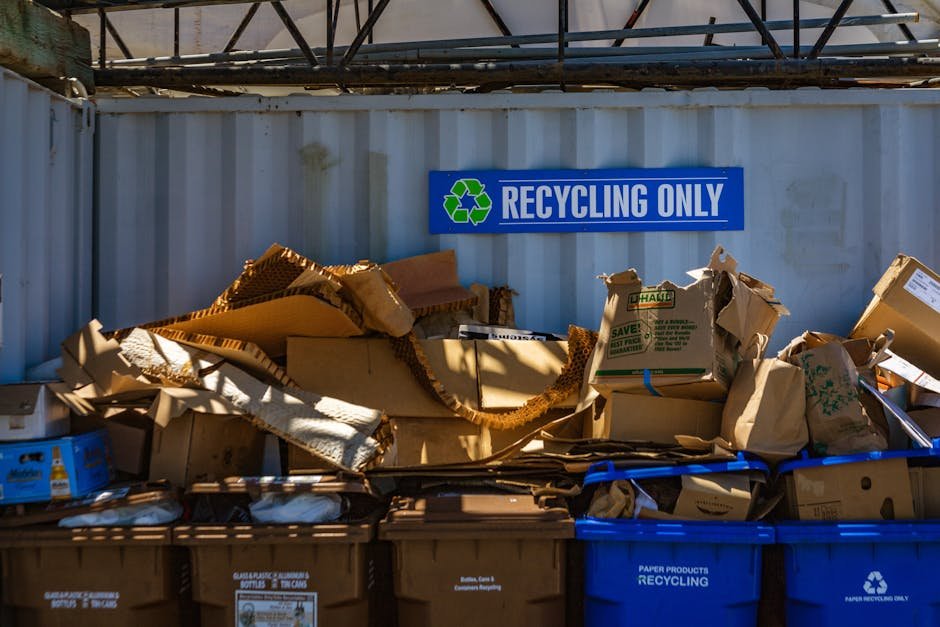

When it comes to gawler recycling, understanding the local landscape is essential for both individual scrap collectors and industrial contractors. As the town of Gawler continues to grow, the demand for efficient metal recovery systems has never been higher. Whether you are clearing out a shed, managing a construction site, or looking to participate in the broader Recycling Community, this guide provides the technical expertise needed to navigate the market effectively.
The Evolution of Gawler Recycling and Sustainability
Gawler has evolved from a historical agricultural hub into a modern regional centre, and with this growth comes a significant increase in waste management responsibilities. The gawler recycling sector is no longer just about disposing of old appliances; it is a sophisticated industry that feeds raw materials back into the manufacturing supply chain. By recovering metals, we reduce the need for virgin ore extraction, which is energy-intensive and environmentally damaging.
For those looking to engage with this sector, it is vital to understand that gawler recycling is governed by both state environmental regulations and global commodity prices. The local market is highly responsive to the international recycling market, meaning that the value of your scrap can fluctuate based on supply chain demands in Asia and beyond. To stay ahead, savvy traders use digital platforms like the Scrap Trade portal to track price trends and ensure they are getting the best possible return for their materials.
Identifying and Sorting Your Scrap Metal
The secret to success in metal trading is proper segregation. Mixing materials leads to contamination, which significantly lowers the value of your load. When you search for Scrap Metal Recycling Near Me, you will find that most facilities offer higher rates for clean, sorted loads. Here is how you can categorise your scrap:
- Ferrous Metals: These are magnetic and include iron and steel. While they are lower in value per kilogram compared to non-ferrous, they are the backbone of the industry. If you have large quantities, focus on professional steel recycling protocols to ensure you are paid for the correct grade.
- Non-Ferrous Metals: These include copper, aluminium, brass, and lead. These metals are non-magnetic and highly valuable. Copper, in particular, is a high-demand commodity. Always strip insulation from copper wiring to increase its purity and price.
- Exotic Alloys: Items like stainless steel or titanium require specific testing. If you are unsure of the metal type, use a magnet and a file to check the surface.
By taking the time to sort your metals before transport, you reduce the labour required at the facility, which often results in a faster payout and a better relationship with site operators. Using a professional Australian scrap trading platform can help you identify local buyers who specialise in specific metal grades.
The Logistics of Scrap Transport in Gawler
Transporting scrap metal requires safety and compliance. Whether you are moving a trailer load of aluminium cans or a heavy haul of structural steel, you must adhere to road safety standards. Many local traders struggle with the logistics of moving heavy loads. If you are searching for Metal Recycling Near Me, consider the proximity of the facility to your site to minimise fuel costs, which can eat into your profit margins.
For larger industrial projects in Gawler, skip bin hire is the most efficient method. Ensure that your bin provider is licensed to handle hazardous materials, as some scrap items (such as old batteries or gas cylinders) require specific handling procedures. Always document your loads; keeping records of your scrap sales is not only good business practice but also essential for tax purposes if you are operating as a commercial entity.
Maximising Your Returns: Market Timing and Preparation
The scrap metal market is cyclical. Just as the stock market has its peaks and troughs, the value of copper, aluminium, and steel shifts daily. To maximise your returns, you should monitor the global indices. Factors such as infrastructure spending in China, the strength of the Australian dollar, and local industrial activity in South Australia all play a role.
Preparation is equally important. Cleaning your scrap is the single most effective way to increase your profit. Remove plastic handles from aluminium pots, take the steel bolts out of copper pipes, and ensure that your scrap is free of dirt, oil, and concrete. Facilities are equipped with high-precision scales, and any non-metallic contaminants will be deducted from your final weight, often at a penalty rate.
Environmental Impact and Community Benefits
Recycling is a cornerstone of the circular economy. By participating in the Gawler recycling ecosystem, you are directly contributing to a reduction in landfill waste. Every tonne of steel recycled saves over a tonne of iron ore, 600kg of coal, and 50kg of limestone. This is a massive win for the local environment.
Furthermore, the recycling industry creates local jobs. From truck drivers and crane operators to administrative staff and metal graders, the industry supports a diverse range of roles. By choosing to recycle locally, you are supporting the Gawler economy and ensuring that resources remain within the region rather than being shipped as waste to overseas landfills.
Safety Protocols for Scrap Handling
Handling scrap metal is inherently risky. Sharp edges, heavy items, and hazardous substances like lead-acid batteries or residual chemicals pose significant threats. Always wear appropriate Personal Protective Equipment (PPE), including heavy-duty work gloves, steel-capped boots, and high-visibility clothing.
When dismantling machinery, be aware of stored energy. Springs, hydraulic pressure, and unstable structures can cause serious injury. If you are dealing with large-scale demolition, it is always safer to hire a professional scrap removal service that carries the necessary insurance and safety certifications. Remember, no amount of money is worth a safety incident.
Future Trends in Metal Recovery
The future of the industry lies in advanced sorting technology and increased transparency. We are seeing a move toward automated optical sorting, which uses sensors to identify metal types with incredible accuracy. Additionally, digital platforms are making it easier for smaller traders to access the same pricing data as large industrial players, levelling the playing field.
As Australia moves toward a more sustainable future, the demand for recycled metals will only increase. With the rise of electric vehicles and renewable energy infrastructure, the need for copper and aluminium is set to soar. Gawler is perfectly positioned to benefit from this shift, provided that residents and businesses continue to prioritise responsible recycling practices.
Conclusion: Taking Action Today
The path to efficient recycling starts with education and ends with action. By understanding the value of your materials, sorting them correctly, and using the right digital tools, you can turn waste into a valuable revenue stream. Whether you are a hobbyist or a business owner, the Gawler recycling market offers significant opportunities for those who are prepared.
Start by auditing your current waste streams. Are you throwing away copper wire that could be stripped? Are you disposing of steel beams that could be sold? Take the time to categorise your materials and reach out to local scrap yards. Remember that your participation helps build a stronger, more sustainable community. Keep yourself updated with the latest market trends by visiting our platform regularly, and ensure that you are always getting the best value for your hard work.
Frequently Asked Questions
How can I get the best price for my scrap metal in Gawler?
To get the best price, ensure your scrap is clean, sorted by metal type (e.g., separating copper from steel), and free of non-metallic contaminants like plastic or dirt. Monitoring global commodity price trends can also help you decide the best time to sell.
What items are considered hazardous in scrap recycling?
Hazardous items include lead-acid batteries, gas cylinders, fluorescent tubes, and any scrap containing asbestos or residual chemicals. These items must be handled according to specific safety regulations and should never be placed in standard scrap bins.
Does the type of metal affect the recycling process?
Yes, different metals have different melting points and recycling requirements. Ferrous metals (magnetic) are processed differently than non-ferrous metals (non-magnetic), and each requires specific smelting techniques to be repurposed into new products.
Why is it important to use a professional scrap trading platform?
A professional platform provides real-time market data, connects you with verified buyers, and ensures transparency in pricing. It helps you navigate the complex recycling market with confidence and efficiency.