
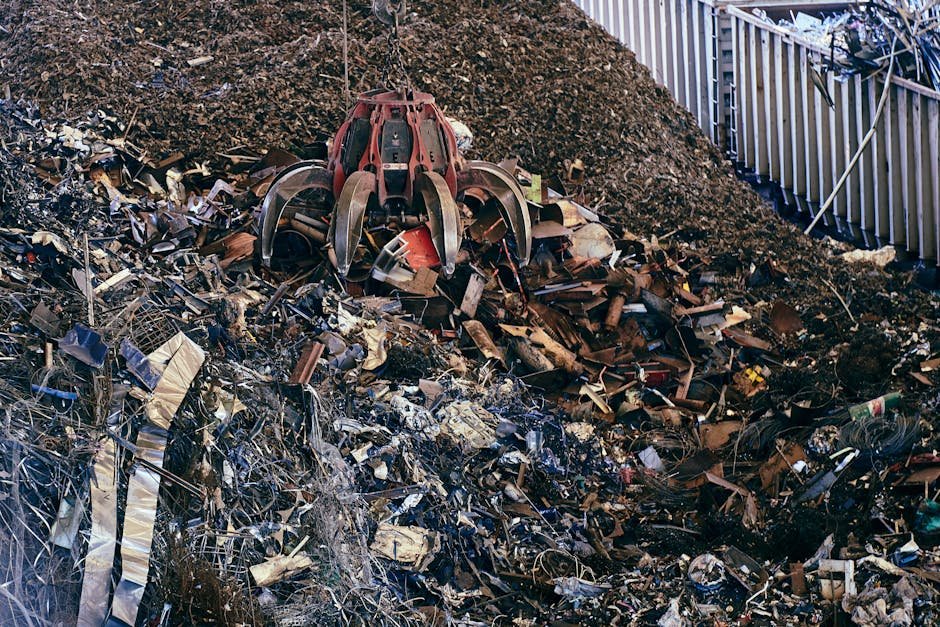

When searching for norms scrap metal penrith, residents and businesses are often looking for reliable, transparent, and efficient ways to dispose of metal waste. In the rapidly evolving industrial landscape of Western Sydney, understanding how to manage, sort, and trade scrap metal is essential for both environmental stewardship and economic gain. Whether you are a trade contractor clearing a site or a homeowner with a collection of old appliances, the process of recycling metal is a sophisticated operation that requires knowledge of material grades and market fluctuations. As you explore your options, you may find that comparing services is vital; for instance, many locals also evaluate turners scrap metal to ensure they are receiving the best service and valuation for their specific material types.
Understanding Metal Grades: Ferrous vs. Non-Ferrous
The foundation of the scrap metal industry lies in the classification of materials. Metal is broadly categorized into two primary groups: ferrous and non-ferrous. Ferrous metals contain iron and are magnetic. This category includes steel, iron, and various alloys. Because of their abundance, they are generally lower in value per kilogram but are recycled in massive volumes. Common examples include structural steel beams, automotive frames, and household appliances. When you visit a facility like norms scrap metal, your material will likely be tested with a magnet to determine its ferrous content.
Non-ferrous metals, conversely, do not contain iron and are typically more valuable. This group includes copper, aluminium, brass, lead, and stainless steel. These metals are highly sought after because they can be recycled infinitely without losing their chemical properties. Copper, in particular, is a high-value commodity often found in electrical wiring, plumbing pipes, and roofing materials. Aluminium is ubiquitous in window frames, cans, and automotive parts. Understanding these grades is the first step when you decide to Sell Scrap Metal Near Me In 2026. By separating your metals before arriving at the yard, you significantly increase your potential payout and streamline the processing time for the facility.
The Scrap Metal Recycling Process Explained
The journey from scrap heap to raw material is a complex industrial process. Once you drop off your materials at a yard, the process begins with weighing. State-certified scales ensure accuracy, which is the basis for your payment. Following the weighing, the metals are sorted. Advanced facilities use X-ray fluorescence (XRF) analyzers to identify specific alloys, ensuring that high-grade materials are not contaminated by lower-grade metals. Contamination is the enemy of recycling; for example, if steel is mixed with copper, the entire batch may be downgraded, reducing its value.
After sorting, the metal is shredded or sheared. Shredding breaks the material into small, manageable pieces, making it easier to separate ferrous metals from non-ferrous using powerful magnets and eddy current separators. These separators use magnetic fields to repel non-ferrous metals, effectively “jumping” them into a separate bin. The final stage involves melting the processed scrap in furnaces to create ingots, billets, or sheets, which are then sold back to manufacturers. This closed-loop system is why local services like Scrap Metal Recycling Near Me are so critical to the Australian manufacturing supply chain.
Economic and Environmental Benefits of Recycling
The environmental impact of recycling scrap metal cannot be overstated. Producing new metal from virgin ore is an energy-intensive process that involves mining, crushing, and smelting, all of which release significant greenhouse gases. Recycling, by contrast, uses a fraction of the energy. For instance, recycling aluminium saves approximately 95% of the energy required to produce the same amount of aluminium from bauxite ore. By choosing to recycle at facilities like those found in Penrith, you are directly contributing to a reduction in carbon emissions and preserving natural resources.
Economically, the scrap metal industry is a pillar of the circular economy. It provides a steady stream of affordable raw materials for construction, automotive, and electronics industries. When you track Scrap Metal Prices, you are observing a global market influenced by supply, demand, and manufacturing activity. By participating in this ecosystem, you are not just clearing out clutter; you are participating in a global commodity market that keeps manufacturing costs down and promotes sustainable development. Our platform, Scrap Trade, provides the data you need to stay informed, while our partners at Scrap Trade Australia offer additional resources for commercial recycling solutions.
Preparing Your Scrap for Maximum Value
To get the most out of your scrap metal, preparation is key. Most recycling yards operate on a volume-based pricing model, but the purity of the material is the ultimate driver of value. Start by cleaning your scrap. Remove non-metallic attachments like plastic casings, rubber seals, or excessive insulation from copper wires. While some yards will accept “dirty” scrap, they will pay significantly less for it because they have to factor in the labor costs of cleaning it themselves. If you have a large volume of material, consider using a magnet to pre-sort your pile into ferrous and non-ferrous categories.
Safety is also paramount. When handling scrap metal, always wear heavy-duty gloves and protective footwear. Scrap metal is often sharp, and rusted edges can pose a tetanus risk. Furthermore, be aware of hazardous materials. Never attempt to scrap sealed containers, gas cylinders, or items containing asbestos or lead paint. Reputable facilities will have strict policies regarding these materials to ensure the safety of their staff and the environment. By presenting clean, sorted, and safe material, you establish a professional relationship with the yard, which often leads to better service and more consistent pricing over the long term.
The Future of Metal Recycling in Penrith
As Penrith continues to grow as a major hub in Western Sydney, the demand for efficient metal recycling services is rising. The future of the industry is leaning toward automation and better traceability. Digital platforms are making it easier for contractors to schedule pickups and track their recycling metrics, which is increasingly important for businesses that need to report on their sustainability goals. The integration of technology in the recycling process means that the gap between the generator of the scrap and the end-user is narrowing.
Furthermore, local government initiatives are encouraging more businesses to divert waste from landfills. Scrap metal is a perfect candidate for this, as it is 100% recyclable. As we look toward the next decade, the role of norms scrap metal penrith and similar entities will become even more critical in managing the construction waste generated by the region’s infrastructure projects. By staying informed about local regulations and market trends, you can ensure that your scrap metal recycling efforts are both profitable and environmentally responsible.
Navigating the Market: Tips for Success
Market volatility is a reality in the scrap metal trade. Prices change daily based on global demand, particularly from major manufacturing hubs in Asia and Europe. To stay ahead, follow industry news and use online tools to track price trends. If you are a business owner, consider establishing a long-term contract with a recycling facility. This can provide price stability and guaranteed pickup schedules, which are essential for maintaining a clean and efficient worksite. Always ask about their specific requirements for load sizes and sorting methods, as these can vary significantly between yards.
Finally, remember that the value of scrap is not just in the metal itself, but in the logistics. If you have large quantities of heavy scrap, the cost of transport can eat into your profits. Look for yards that offer bin services or collection for industrial quantities. This convenience can often be more valuable than a slightly higher price per kilo at a distant yard. By balancing transport costs, sorting effort, and market prices, you can optimize your recycling strategy for maximum efficiency and return on investment.
Conclusion: Your Role in the Circular Economy
Recycling is more than just a way to make extra cash; it is a vital component of a sustainable future. By understanding the nuances of material grades, the importance of sorting, and the global factors influencing the market, you become an active participant in the circular economy. Whether you are dealing with small household items or large-scale industrial demolition waste, the choices you make have a tangible impact. Utilizing professional services in your area ensures that your materials are handled in compliance with environmental standards and that they are returned to the manufacturing cycle as efficiently as possible. Keep these best practices in mind, stay updated on current market rates, and continue to prioritize sustainable waste management in all your future projects.
Frequently Asked Questions
What is the difference between ferrous and non-ferrous metals?
Ferrous metals contain iron and are magnetic, such as steel and iron. Non-ferrous metals do not contain iron, are generally more valuable, and include copper, aluminium, and brass.
How can I get the best price for my scrap metal?
You can maximize your payout by sorting your metals by type and removing non-metallic contaminants like plastic, rubber, or wood before taking them to the yard. Clean, sorted scrap is always more valuable than mixed, dirty loads.
Is it safe to recycle all types of scrap metal?
No, you should never bring hazardous items like pressurized gas cylinders, sealed containers, or materials containing asbestos to a scrap yard. Always check with the facility first if you are unsure about the safety of a specific item.
Why do scrap metal prices change so often?
Scrap metal prices are driven by global supply and demand, manufacturing production levels, and the cost of raw materials. Because these factors shift daily, local yards adjust their buying prices to reflect current market conditions.