
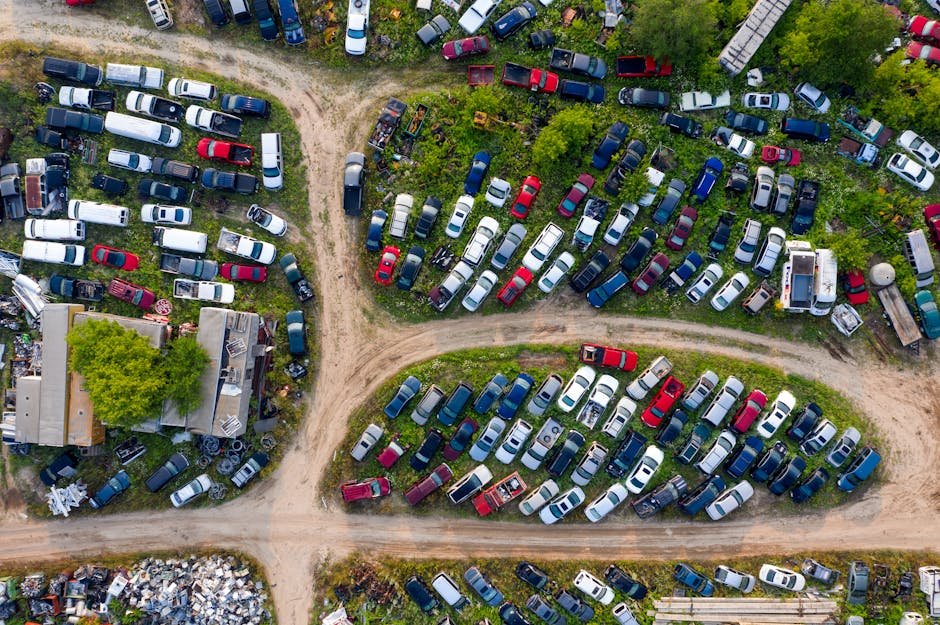

Navigating the landscape of demolition yards central coast requires an understanding of how industrial waste streams are managed in New South Wales. Whether you are a commercial contractor overseeing a large-scale project or a homeowner clearing a site, these facilities act as the backbone of the circular economy. By choosing the right partner, you ensure that materials are diverted from landfills and processed through a professional metal recycler.
The Role of Demolition Yards in the Central Coast Circular Economy
The Central Coast is experiencing significant growth, leading to a surge in construction and renovation activity. This development necessitates efficient waste management solutions. When you search for demolition yards central coast, you are looking for more than just a dumping ground; you are looking for a facility that understands the intricacies of material recovery. These yards serve as a critical link between site demolition and the manufacturing sector, which relies on high-quality recovered materials to create new products.
Professional recycling depots on the coast are equipped to handle a diverse range of materials. From structural steel beams to copper wiring and aluminum siding, every piece of debris has a potential second life. By partnering with an established scrap yard, you contribute to the reduction of carbon emissions associated with primary resource extraction. The process of breaking down structures requires precision, and the subsequent sorting process at these yards is where the real value is unlocked. For those looking to understand the broader market, our guide on Scrap Yards provides an excellent overview of how these facilities operate on a national level.
Maximizing Value: How to Buy and Sell Scrap Metal
For many contractors, the primary motivation for visiting a recycling depot is the financial return on scrap metal. The ability to buy and sell materials effectively can turn a waste management cost into a revenue stream. To maximize your returns, you must first understand the grading system. Ferrous metals, such as iron and steel, are generally traded in higher volumes but at lower price points per tonne, whereas non-ferrous metals like copper, brass, and stainless steel command significantly higher market prices.
When you arrive at a facility, the quality of your sorting will dictate your payout. Contaminated loads—those mixed with plastic, wood, or glass—often result in lower grades or rejection. This is why site-level segregation is vital. If you are planning a major project, you might want to look into central coast complete demolition services to ensure that your waste is handled correctly from the start. By keeping your copper separate from your steel and ensuring that your metals are free from non-metallic attachments, you position yourself to receive the best possible market rates.
Navigating Compliance and Safety on the Central Coast
Safety is the most critical aspect of any demolition and recycling operation. The Central Coast has strict environmental regulations regarding the handling of hazardous materials, such as asbestos or lead-based paints, which are often found in older structures. Before transporting materials to demolition yards central coast, it is imperative to ensure that your site has been inspected and cleared by certified professionals. A reputable metal recycler will always prioritize safety, ensuring that their walk-in customers and commercial partners are protected from hazardous debris.
Furthermore, the logistics of moving heavy scrap require specialized equipment. Whether you are using a skip bin service or hauling the material yourself, ensure that your load is secured and that you are aware of the weight limits of your vehicle. For those who are new to the industry, understanding the landscape of Local Scrap Yards In 2026 will help you stay ahead of regulatory changes and technological advancements in the recycling sector. Always check if the yard you are visiting is EPA-compliant and licensed to handle the specific types of scrap you are delivering.
Finding the Best Facilities: A Strategic Approach
Finding the right facility can be a daunting task, but it doesn’t have to be. You should look for yards that offer transparent pricing, reliable weighbridge services, and efficient turnaround times. A good facility will provide a clear breakdown of the weight and grade of your metal, ensuring you are paid fairly. If you are currently looking for options, our resource on Scrap Places Near Me How To Find The Best Scrap Yards And Buyers offers a step-by-step methodology to identify high-performing partners in your immediate vicinity.
Technology is also playing a larger role in how we interact with these yards. Many modern facilities now offer digital tracking, real-time market pricing updates, and automated reporting for commercial clients. By utilizing a scrap metal trading platform, you can gain access to market insights that allow you to time your sales for maximum profitability. Additionally, for those interested in the broader Australian market, Scrap Trade Australia provides extensive data on industry trends that can help you plan your business operations more effectively.
The Environmental Impact of Professional Recycling
Beyond the financial incentives, there is a profound environmental argument for using professional recycling services. Every tonne of steel recycled saves over a tonne of iron ore, 600kg of coal, and 50kg of limestone. When you choose to recycle through authorized scrap yards, you are actively participating in the preservation of natural landscapes. This is particularly important on the Central Coast, where the delicate balance between urban expansion and natural beauty must be maintained.
The recycling process involves shredding, magnetic separation, and dense media separation, all of which are designed to recover the maximum amount of material. By ensuring that your demolition waste enters this pipeline, you are preventing valuable resources from ending up in landfills, where they would otherwise take up space and potentially leach harmful substances into the soil. For more information on the importance of these processes, you can review our detailed analysis on scrap yards and their role in the modern industrial landscape.
Practical Tips for Your Next Visit
To make your experience at a recycling depot as smooth as possible, consider the following tips:
- Pre-Sort Your Load: Never arrive with a mixed load. Separate your metals by type (copper, brass, aluminum, steel) before you leave your site. This saves time and increases your profit.
- Clean Your Scrap: Remove non-metallic items like plastic insulation, rubber gaskets, and wood. Clean scrap is always graded higher than dirty, contaminated scrap.
- Know the Market: Metal prices fluctuate daily. Check the current market rates before you head to the yard so you have an idea of what to expect.
- Use Proper PPE: Even if you are just a walk-in customer, wear high-visibility clothing, steel-toed boots, and gloves. Most yards have strict site safety rules.
- Bring ID: In many jurisdictions, you will need to provide valid identification to receive payment for your scrap metal.
- Call Ahead: If you have a large or unusual load, call the yard first to ensure they have the capacity to handle your specific materials.
Future Trends in Demolition and Recycling
As we look toward the future, the demolition industry is becoming increasingly digitized. We are seeing the rise of “smart demolition,” where building information modeling (BIM) is used to map out the materials in a structure before it is even taken down. This allows for more precise deconstruction, where materials can be harvested for reuse rather than just recycling. This shift will fundamentally change how demolition yards central coast operate, moving them toward becoming material recovery centers rather than just scrap processors.
Furthermore, the push for net-zero emissions is driving innovation in the recycling sector. New technologies in furnace efficiency and carbon-neutral logistics are being adopted by leading metal recycler firms. By staying informed about these trends, you can ensure that your business is aligned with the most sustainable and profitable practices available. Whether you are a small business owner or a project manager, understanding these shifts will keep you competitive in a rapidly evolving market.
Conclusion: Choosing the Right Partner
The success of your demolition project relies heavily on the partners you choose. By selecting a facility that values transparency, safety, and environmental responsibility, you ensure that your project is not only profitable but also sustainable. The Central Coast offers a variety of options, and by utilizing the resources provided, you can navigate these choices with confidence. Remember that the goal is to create a seamless flow of materials from your site to the recycling facility, maximizing the recovery of every kilogram of metal. With the right approach to sorting, safety, and market knowledge, you can turn your next demolition project into a prime example of efficient resource management.
Frequently Asked Questions
What items are typically accepted at demolition yards on the Central Coast?
Most yards accept a wide range of ferrous and non-ferrous metals, including structural steel, copper piping, aluminum frames, brass fittings, and stainless steel. It is always best to call ahead if you have specific items like industrial machinery or large quantities of wiring.
Do I need an appointment to drop off scrap metal?
While many facilities accept walk-in customers, it is recommended to call ahead if you are bringing a large commercial load or if you have specialized equipment needs. This ensures that the yard has the capacity and the right machinery available to unload you quickly.
How are scrap metal prices determined?
Prices are generally determined by global commodity markets, the purity of the metal, and the current demand for that specific material. Prices fluctuate daily, so it is wise to check current market trends before visiting your local yard.
Is there a difference between a demolition yard and a standard scrap yard?
A demolition yard often focuses on the processing of large-scale construction and industrial waste, whereas a standard scrap yard might handle a broader range of smaller items. However, many facilities on the Central Coast provide both services to cater to a diverse client base.