
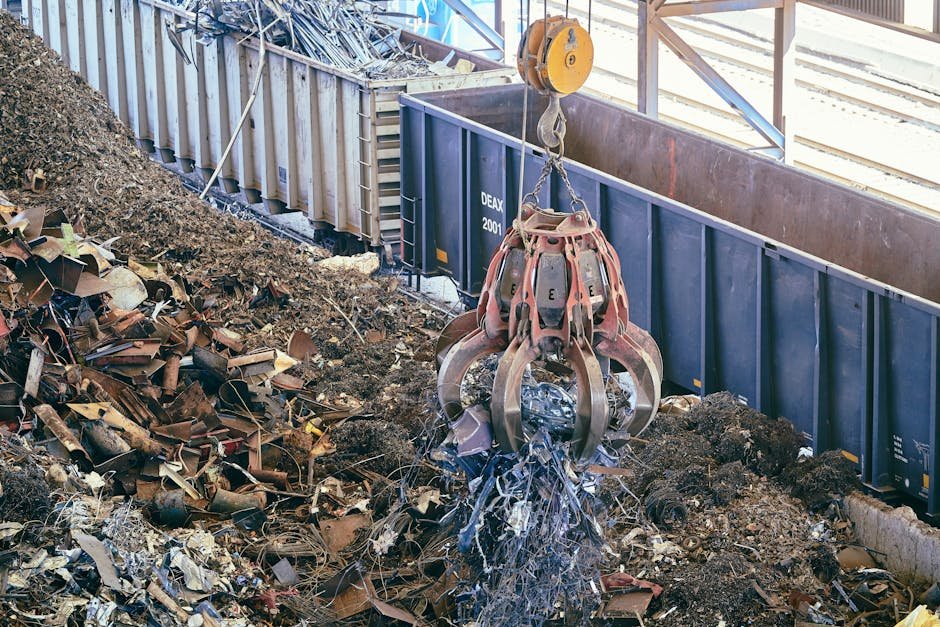

The scrap metal trade might seem like a niche industry, but it plays a crucial role in Australia’s economy and environmental sustainability. From old car parts to discarded household appliances and industrial offcuts, scrap metal represents a valuable resource waiting to be reused. Far from being mere waste, these materials are integral to a circular economy, reducing the need for virgin mining and conserving natural resources across the continent. Understanding this trade can open up new avenues for income and contribute positively to our planet.
At its core, the scrap metal trade involves the collection, processing, and recycling of various metals. These are broadly categorized into ferrous metals, which contain iron (like steel and cast iron), and non-ferrous metals, which do not (such as copper, aluminium, brass, and lead). Non-ferrous metals often command higher prices due to their unique properties and limited supply, making them particularly sought after. Identifying and separating these different types is the first step towards maximizing their value and ensuring efficient recycling.
For individuals and businesses across Australia, participating in the scrap metal trade typically involves a straightforward process. First, identify and collect any metal items that are no longer useful. This could be anything from old plumbing and wiring to machinery parts or construction debris. Next, it’s beneficial to sort these materials by type, as clean, separated loads generally fetch better prices. Once collected and sorted, the scrap is then transported to a local scrap metal dealer or recycling yard, where it is weighed, valued, and purchased.
The benefits of a robust scrap metal trade are multifaceted, especially in a resource-rich nation like Australia. Environmentally, recycling scrap metal significantly reduces energy consumption compared to producing new metals from raw ore, lessens landfill waste, and decreases air and water pollution. Economically, it provides a steady supply of raw materials for manufacturing, supports local jobs in the recycling sector, and offers an income stream for individuals and businesses looking to dispose of unwanted metallic items responsibly.
Navigating the Australian scrap metal market can be made easier with the right resources. Connecting with reputable buyers who offer fair prices and convenient services is key. Platforms designed to link sellers with buyers can streamline this process, making it simpler to find the best deals for your scrap. For those looking to buy or sell scrap metal anywhere in Australia, a valuable resource like https://scrap.trade can help connect you with the right partners, ensuring your valuable materials find their next life efficiently.
Ultimately, the scrap metal trade is more than just commerce; it’s a vital component of sustainable living and economic resilience in Australia. By understanding its mechanisms and actively participating, we all contribute to a healthier environment and a more efficient use of our planet’s finite resources. Embracing this trade helps turn what might otherwise be considered waste into a valuable commodity, fostering a greener and more prosperous future for everyone.