

Expert Guide to Scrap Copper Recycling Clyde
When it comes to scrap copper recycling Clyde, understanding the nuances of the market is essential for both commercial contractors and individual tradespeople. Copper is one of the most valuable non-ferrous metals in the recycling industry, prized for its infinite recyclability without loss of quality. Whether you are clearing out a job site in Western Sydney or managing industrial waste, knowing how to classify your materials significantly impacts your bottom line. As you navigate the local landscape, it is helpful to compare your options, such as Scrap Metal Recycling Near Me to find the most efficient processing facilities.
Understanding Copper Grades: From Bare Bright to Number 2
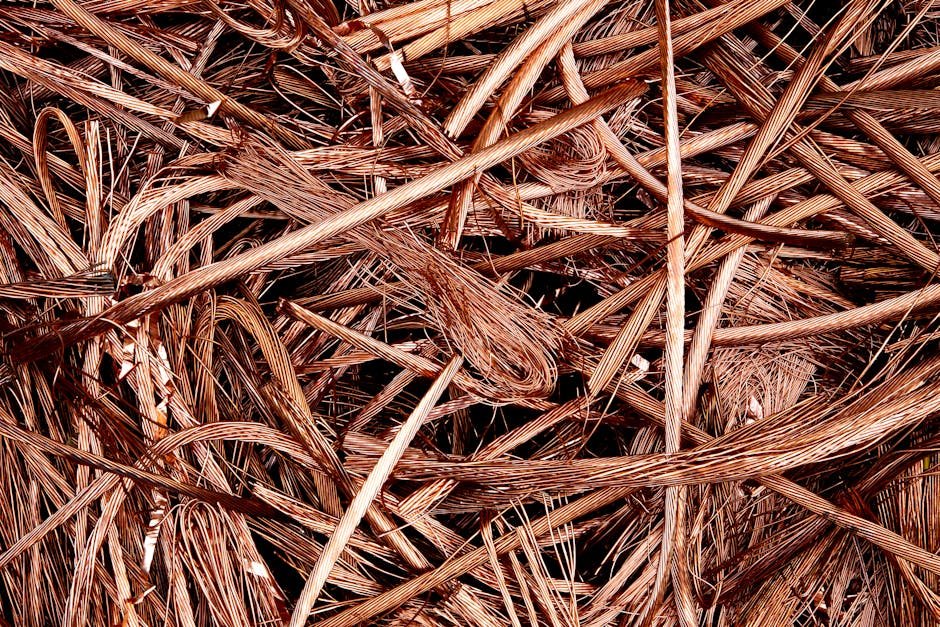
The value of your scrap is determined primarily by its purity and the level of processing required before it can be melted. For those involved in the Copper Scrap Group, identifying these grades is the first step toward profitability. The highest grade is bare bright copper, which consists of clean, unalloyed, uncoated, and uninsulated copper wire or cable, typically 16 gauge or thicker. It must be free of oxidation, paint, or solder to command the highest copper price per kg.
Next in the hierarchy is number 2 copper. This grade includes copper that has been slightly compromised, such as wire with light oxidation, solder, or minor paint coatings. It is a very common grade in construction and demolition. Moving down the chain, we encounter copper pipe, which is usually categorized based on whether it is clean (free of fittings and insulation) or dirty (containing brass valves, lead solder, or other attachments). Understanding these distinctions is crucial when you are looking for scrap copper recycling granville or similar nearby facilities, as improper sorting can lead to lower payouts.
The Economics of Scrap Trading vs. Recycling
There is a distinct difference between the operational models of various facilities. If you are interested in the broader industry, reading about Scrap Trading Vs Recycling Business will provide clarity on how market fluctuations affect the price you receive at the scale. Scrap trading often involves the speculative buying and selling of bulk commodities, whereas recycling is a value-added process that transforms raw waste into secondary raw materials. In the context of scrap copper recycling Clyde, local businesses often bridge this gap by providing both collection services and advanced processing capabilities.
Market volatility is a reality. The global demand for copper, driven by the shift toward renewable energy and electric vehicles, keeps the price per kg dynamic. By staying informed on global trends, you can time your sales to coincide with market peaks. For those operating slightly further afield, services for scrap copper recycling greenacre provide similar professional standards for handling industrial and residential copper scrap.
How the Recycling Process Works
The journey from a discarded piece of copper wire to a new electrical component is a sophisticated industrial process. Initially, the scrap is collected and weighed. Quality control inspectors then perform a visual assessment to confirm the grade. Once sorted, the copper is often shredded or chopped to remove insulation and contaminants. Magnetic separators are used to pull out ferrous metals, while eddy current separators are employed to isolate non-ferrous materials.
After sorting, the copper is compacted into dense bales or fed directly into furnaces. Smelting is the final stage, where the metal is melted, refined, and cast into ingots or billets. These are then sold to manufacturers who produce everything from plumbing fixtures to high-voltage power cables. This closed-loop system is the cornerstone of the circular economy. For more information on how these processes are optimized, you can visit the Scrap Trade portal for industry news and data.
Environmental Benefits of Copper Recycling
Recycling copper is significantly more energy-efficient than mining and refining virgin ore. Producing copper from recycled scrap requires up to 85% less energy than extracting it from the ground. This reduction in energy consumption leads to a massive decrease in greenhouse gas emissions. Furthermore, mining operations often result in soil erosion, water pollution, and habitat destruction. By choosing scrap copper recycling Clyde, you are directly contributing to the preservation of natural landscapes and reducing the carbon footprint of the Australian construction sector.
Beyond energy savings, recycling keeps waste out of landfills. Copper is a heavy, durable metal that can persist in the environment if not disposed of correctly. By aggregating scrap through professional recycling channels, we ensure that this valuable resource remains in circulation indefinitely. It is a sustainable choice that aligns with modern environmental regulations and corporate social responsibility goals.
Practical Tips for Maximizing Your Scrap Returns
To get the best value for your scrap copper, preparation is key. First, always strip your wires. While it takes time, the price difference between insulated wire and bare bright copper is significant. Second, keep your grades separate. Mixing high-grade copper with lower-grade or contaminated metal will result in the entire batch being valued at the lower rate. Third, remove non-copper attachments. If you have copper pipe with brass fittings, cut the fittings off and store them in a separate container. Brass is a valuable alloy on its own, but it is not copper.
Additionally, build a relationship with your local yard. Consistent suppliers who bring in clean, well-sorted material are often treated with more transparency regarding market price shifts. Always use reputable Australian scrap metal platforms to verify current market trends before heading to the scales. Keeping a log of your scrap sales can also help you track your business performance over time.
The Future of Copper in the Green Transition
As the world transitions to a low-carbon economy, the demand for copper is projected to skyrocket. Copper is essential for the electrification of transport, the development of smart grids, and the expansion of solar and wind energy infrastructure. This “electrification of everything” means that the copper you recycle today is likely to end up in the next generation of electric vehicle motors or high-efficiency transformers.
This sustained demand ensures that the scrap market will remain a stable and profitable sector for years to come. By engaging in professional recycling practices, you are not just clearing out a shed or a job site; you are securing the raw materials required for the future of global technology. Whether you are a small contractor or a large industrial firm, your participation in the circular economy is vital to meeting these ambitious climate goals.
Safety and Compliance in Metal Recycling
Safety is paramount when handling scrap metal. Copper wire can be sharp, and heavy pipes can pose crushing hazards. Always wear appropriate personal protective equipment (PPE), including heavy-duty gloves and steel-toed boots. Furthermore, ensure you are compliant with local environmental regulations regarding the storage and transport of scrap metal. Many facilities in the Clyde area are strictly regulated to prevent the leakage of hazardous materials into the local water table.
When transporting your scrap, ensure your vehicle is properly loaded to prevent accidents. If you are dealing with large volumes of industrial scrap, consider hiring professional logistics services that specialize in metal transport. They can provide roll-off bins and scheduled pickups, streamlining your operations and ensuring that your scrap is handled in accordance with all safety and environmental standards. Always prioritize working with licensed recyclers who provide clear documentation for your records.
Frequently Asked Questions
What is the difference between bare bright copper and number 2 copper?
Bare bright copper is clean, uninsulated, and unoxidized wire, which fetches the highest price. Number 2 copper includes wire or pipe that shows signs of oxidation, paint, or solder, making it slightly less valuable.
How can I increase the value of my scrap copper?
You can maximize your returns by stripping insulation from wires and separating different grades of copper. Removing brass fittings or other contaminants from copper pipes will also ensure you receive the best possible price per kg.
Why is recycling copper better for the environment?
Recycling copper consumes up to 85% less energy than mining and refining virgin ore. It also reduces the need for destructive mining practices and prevents heavy metals from entering landfills.
Does the copper price change daily?
Yes, copper prices are influenced by global market fluctuations, demand from manufacturing sectors, and currency exchange rates. It is recommended to check current market rates before selling large quantities of scrap.