
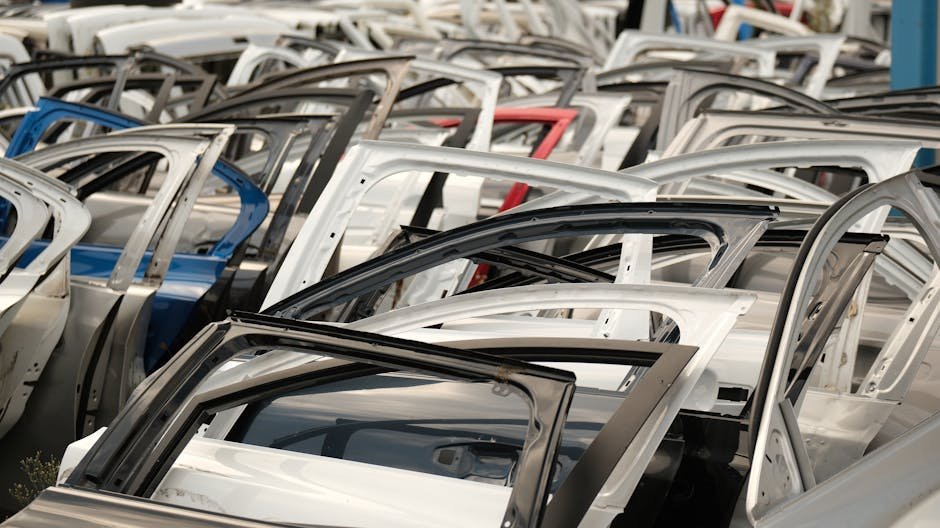

In the modern Australian automotive landscape, advanced auto salvage has transitioned from simple scrap collection to a highly technical industrial process. As vehicles become increasingly complex, incorporating hybrid batteries, advanced sensors, and lightweight alloys, the methodology required to extract value has evolved significantly. This guide explores the sophisticated techniques required to navigate the sector, providing a framework for both individual scrappers and industrial operators to optimize their operations.
The Evolution of the Advanced Auto Salvage Industry
The traditional scrapyard model is rapidly being replaced by high-tech processing facilities that prioritize resource recovery over simple disposal. Advanced auto salvage represents the pinnacle of this shift, focusing on the circular economy. By treating a vehicle as a repository of rare earth metals, high-grade aluminum, and reusable electronic components, operators can significantly increase their profit margins while reducing landfill waste.
For those looking to understand the foundational elements of this process, the Dd Auto Salvage Complete Guide To Auto Salvage Recycling And Selling Vehicle Scrap provides a comprehensive overview of the lifecycle of a vehicle. This resource is essential for anyone entering the trade, as it outlines the regulatory requirements and safety standards necessary to operate within Australian environmental law.
Furthermore, the integration of digital tracking systems has allowed for better inventory management. Whether you are dealing with al’s auto parts or other major suppliers, the ability to catalog and trace components is now a hallmark of a professional salvage operation. This level of traceability ensures that parts are not only sold but also tracked for safety recalls, a critical aspect of modern automotive recycling.
Precision Dismantling and Component Recovery
The core of advanced auto salvage lies in the precision of the dismantling process. Unlike bulk crushing, which destroys the integrity of high-value components, strategic dismantling allows for the recovery of parts that retain significant market value. This includes engine blocks, suspension systems, and complex electronic control units (ECUs).
When dealing with heavy-duty components, specialized knowledge is required. For instance, the Sell Transmission Scrap Auto Truck Gearboxes 2026 Guide offers deep insights into the specific market dynamics for drivetrain components. By focusing on these high-value items, salvage yards can maximize their revenue per vehicle. It is not just about the weight of the metal; it is about the utility of the part remaining in the supply chain.
Operators often find that working with established networks, such as als auto parts, provides a reliable outlet for these recovered components. Building these relationships is vital, as it ensures that your salvaged inventory finds a buyer quickly, keeping your yard space optimized for incoming stock.
Maximizing Value Through Material Separation
Material separation is the unsung hero of the salvage industry. Advanced facilities utilize magnetic separators, eddy current separators, and optical sorting technologies to ensure that metals are pure. Contamination in scrap metal, such as plastic or rubber mixed with aluminum, can drastically reduce the price paid by smelters.
To truly excel in this area, it is imperative to understand the nuances of material grading. The Ivy Bluff Auto Salvage Maximizing Value From Scrap Vehicles resource highlights the importance of segregating non-ferrous metals like copper wiring, brass radiators, and stainless steel exhaust systems. By dedicating time to this separation, you can often double the value of a single vehicle compared to selling it as a whole unit.
For those operating in the Australian market, utilizing a trusted Australian scrap metal trading platform can help you stay updated on current market prices and demand trends. These platforms provide real-time data that is essential for making informed decisions on when to sell your stockpiled materials.
Environmental Compliance and Hazardous Waste Management
Environmental stewardship is non-negotiable in modern salvage. Advanced salvage operations must have robust systems for the removal and disposal of fluids, including motor oil, coolant, brake fluid, and refrigerant gases. Failure to handle these substances correctly not only risks heavy fines but also causes irreparable damage to the local ecosystem.
Effective fluid management involves:
- Drainage Stations: Using vacuum-assisted drainage systems to ensure zero spillage during the depollution phase.
- Containment: Storing hazardous waste in double-walled tanks that meet Australian safety standards.
- Recycling Partnerships: Contracting with certified waste management companies that specialize in recycling automotive fluids into base oils or industrial fuels.
Beyond fluids, the removal of lead-acid batteries and mercury-containing switches is a critical step in the advanced salvage process. These items are highly toxic and must be processed through specialized channels to ensure the lead and acid are reclaimed safely.
The Role of Technology in Modern Salvage
Digital transformation has revolutionized how salvage yards operate. From inventory management software that tracks every bolt to online marketplaces that connect recyclers with global buyers, technology is the backbone of efficiency. A professional scrap metal trading platform serves as a bridge, allowing smaller yards to access the same market intelligence as larger, multinational corporations.
Modern salvage also involves the use of diagnostic tools. Before a vehicle is dismantled, scanning the onboard computer can reveal valuable information about the condition of the engine and transmission. This data allows the recycler to sell components as “tested and working,” which commands a significant premium over untested parts. This level of verification is what separates a standard scrapyard from an advanced salvage facility.
Logistics and Supply Chain Optimization
Transporting heavy scrap is a major cost center. Advanced operators optimize their logistics by using high-capacity balers to compress vehicle carcasses into dense cubes, maximizing the weight per truckload. This reduces the number of trips required to transport scrap to the shredder or foundry, significantly lowering the carbon footprint and transportation costs.
Furthermore, managing the inbound supply chain—acquiring vehicles from insurance auctions, private sellers, and government contracts—requires a strategic approach. High-volume operators often implement automated bidding systems to ensure they are acquiring vehicles at a price point that guarantees a profitable margin after processing costs are factored in.
Future Trends: Electric Vehicles and Beyond
The rise of electric vehicles (EVs) is the next frontier for the salvage industry. EVs contain massive lithium-ion battery packs that require specialized handling, storage, and recycling protocols. Advanced salvage facilities are currently investing in training and infrastructure to safely discharge and disassemble these packs. The recovery of cobalt, lithium, and nickel from these batteries will become a primary revenue stream in the coming decade.
As we look toward 2030, the salvage sector will likely become more integrated with automotive manufacturers. The concept of “design for disassembly” is gaining traction, where manufacturers design cars with easier-to-remove modules, specifically to facilitate the recycling process. This collaboration between OEMs and recyclers will be the ultimate evolution of the industry.
Conclusion: Sustaining the Future
The transition toward advanced auto salvage is not merely an operational upgrade; it is a necessity for the survival of the industry. By focusing on precision, environmental compliance, and technological integration, salvage operators can transform what was once considered waste into a valuable resource. Whether you are an individual collector or an industrial operator, the principles of material purity, efficient logistics, and safe handling remain the pillars of success. As you continue to refine your processes, remember that every component recovered is a step toward a more sustainable and profitable future for the Australian automotive recycling industry.
Frequently Asked Questions
What is the primary difference between traditional and advanced auto salvage?
Traditional salvage focuses on bulk crushing and basic metal recovery, whereas advanced auto salvage prioritizes high-value component extraction, precise material separation, and strict environmental depollution protocols.
How can I maximize the value of a scrap vehicle?
You can maximize value by manually removing high-value parts like gearboxes and ECUs, separating non-ferrous metals like copper and aluminum from the steel frame, and ensuring all hazardous fluids are properly drained and recycled.
Are there specific regulations for handling EV batteries in Australia?
Yes, EV batteries are classified as hazardous waste and must be handled according to strict state-based environmental regulations, requiring specialized training for safe discharge, removal, and transport.
Why is material purity important in the scrap metal trade?
Material purity directly impacts the price you receive from smelters. Contaminants like plastic, rubber, or mixed alloys force smelters to spend more on processing, which leads to lower payouts for the scrap provider.