
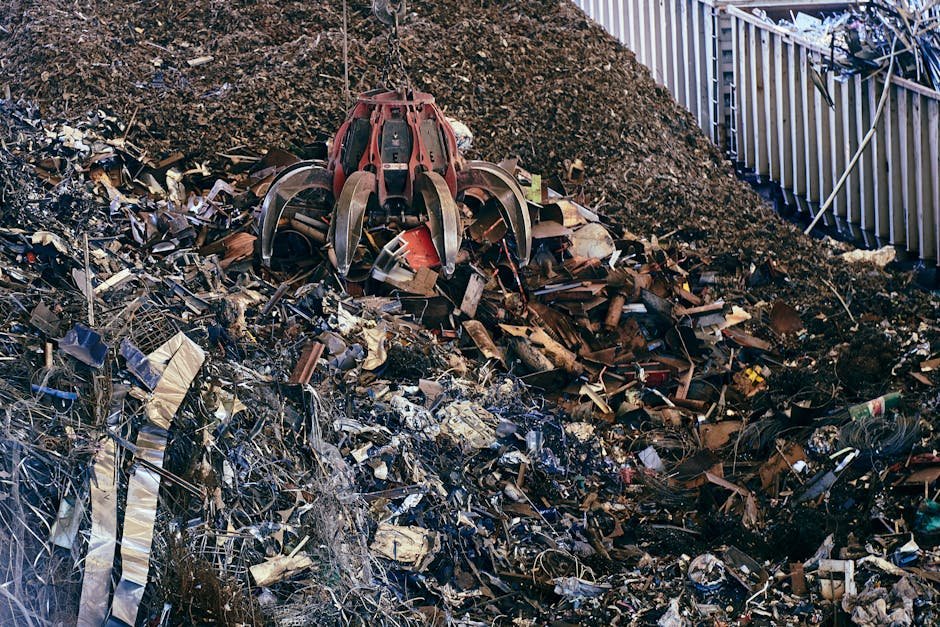

Scrap addiction Bundaberg has become a buzzphrase as local communities increasingly embrace sustainable practices. In Australia, where environmental stewardship is a national priority, Bundaberg stands out for its proactive approach to recycling. This guide delves into the grades of scrap metal, the mechanics of recycling, and the ecological benefits specific to the region.
Understanding Scrap Grades in Bundaberg
Scrap metal is categorized into grades based on material composition and purity. In Bundaberg, the most traded grades include:
- Ferrous Metals: Iron and steel dominate this category, often sourced from demolition projects and industrial waste. These are magnetic and less valuable than non-ferrous metals.
- Non-Ferrous Metals: Aluminum, copper, and brass are highly sought after due to their conductivity and malleability. For example, copper wiring from old electronics commands premium prices.
- Mixed Grades: Unsorted scrap from construction sites or household items. These require sorting and may fetch lower rates, but volume drives profitability.
For a deeper understanding of how these grades intersect with trade dynamics, see What Scrap Trade Actually Is.
The Recycling Process in Bundaberg
Recycling scrap in Bundaberg follows a structured workflow to maximize efficiency and environmental impact:
- Collection: Households and businesses drop off scrap at local scrap metal Penrith facilities or partner with scrap yards like the scrap yard Minto for bulk pickups.
- Sorting: Metals are separated using magnets, X-ray fluorescence, and manual labor. Plastic scrap is handled separately to avoid contamination.
- Shredding/Smelting: Ferrous metals are shredded, while non-ferrous metals are melted in specialized furnaces to create ingots.
- Reprocessing: Recycled metals are sold to manufacturers for new products, closing the loop on resource use.
This process ensures minimal waste and aligns with Australia’s scrap trade regulations.
Environmental Benefits of Scrap Recycling
Scrap recycling in Bundaberg offers profound environmental advantages:
- Energy Savings: Recycling aluminum uses 95% less energy than producing virgin aluminum.
- Landfill Reduction: The region’s recycling initiatives divert over 10,000 tons annually from landfills.
- Carbon Emission Cuts: Recycling one ton of steel reduces CO2 emissions by 1.5 tons compared to mining iron ore.
- Resource Conservation: Recycling 1 ton of copper saves 146 million BTUs of energy and 100% of the material’s embedded energy.
For a broader perspective on recycling’s role in sustainability, visit https://scraptrade.com.au for national initiatives.
Practical Tips for Scrap Recyclers in Bundaberg
Maximize your impact with these strategies:
- Segregate Materials: Keep ferrous and non-ferrous metals separate to increase your payout.
- Remove Non-Metal Contaminants: Clean scrap of plastic, rubber, or dirt to avoid downgrading.
- Track Market Prices: Use platforms like https://scrap.trade to monitor real-time rates for Bundaberg grades.
- Partner with Local Yards: Establish relationships with reliable scrap yards to ensure fair handling and pricing.
- Recycle Electronics Responsibly: E-waste contains hazardous materials; use certified facilities for safe disposal.
Economic Impact of Scrap Addiction Bundaberg
The surge in scrap recycling has revitalized Bundaberg’s economy:
- Job Creation: Over 200 jobs have been created in sorting, processing, and logistics since 2020.
- Business Growth: Local scrap yards report a 30% increase in revenue from non-ferrous metals alone.
- Community Engagement: Educational programs by scrap.trade have boosted public participation in recycling drives.
This economic boost underscores the importance of integrating sustainability with business strategies.
Challenges and Solutions in Scrap Recycling
Despite its benefits, scrap recycling faces hurdles:
- Contamination: Mixing different grades reduces value. Solution: Invest in better sorting tools and public education.
- Market Fluctuations: Global metal prices affect local rates. Solution: Diversify scrap streams to balance risk.
- Logistical Costs: Transporting low-density materials (e.g., plastic scrap) is expensive. Solution: Partner with regional hubs like scrap metal Penrith for bulk shipping.
Scrap Addiction Bundaberg: A Model for Sustainability
Bundaberg’s success in scrap recycling highlights how communities can lead the charge in environmental stewardship. By understanding grades, adopting efficient processes, and embracing economic opportunities, the region sets a benchmark for others to follow. Whether you’re a business owner or a homeowner, every effort contributes to a greener future.
Conclusion
Scrap addiction Bundaberg is more than a trend—it’s a cultural shift toward sustainability. By leveraging local expertise, investing in recycling infrastructure, and prioritizing environmental goals, Bundaberg demonstrates the tangible benefits of responsible resource management. Start your journey today by visiting https://scrap.trade for tools and resources to join the movement.
Frequently Asked Questions
What are the most valuable scrap metals in Bundaberg?
Non-ferrous metals like copper, aluminum, and brass are the most valuable due to their high demand in manufacturing and electronics industries.
How does recycling reduce environmental impact in Bundaberg?
Recycling reduces energy consumption, minimizes landfill use, and lowers carbon emissions by reusing materials instead of extracting new ones.
Can I recycle e-waste in Bundaberg?
Yes, e-waste must be processed by certified facilities to safely extract metals like gold and silver while handling hazardous components properly.
Where should I take scrap in Bundaberg?
Visit local scrap yards or partner with scrap metal Penrith for efficient collection and sorting services.