
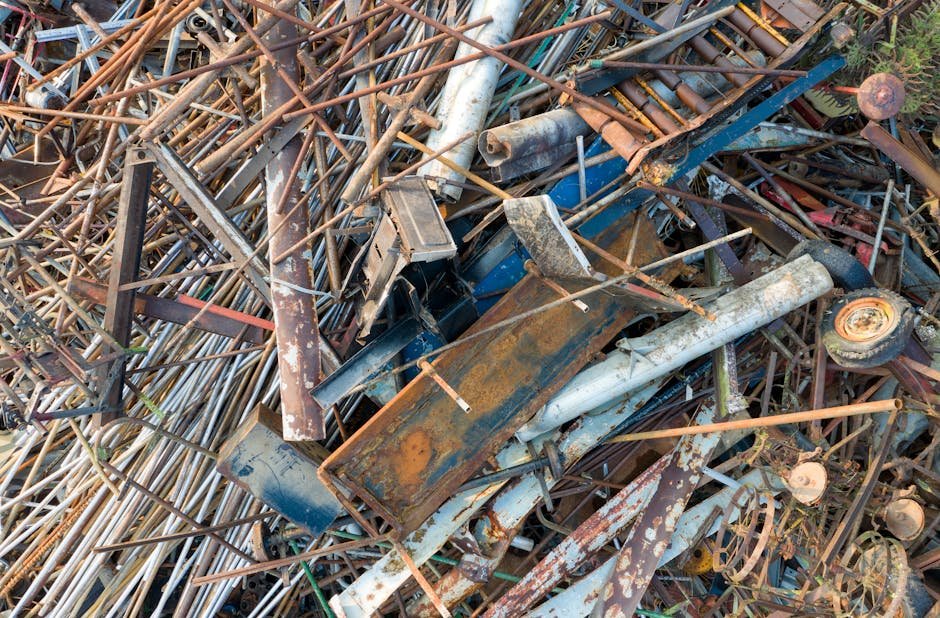

When you are looking to engage with scrap metal Moree markets, understanding the lifecycle of your materials is the first step toward maximizing both your environmental impact and your financial return. Located in the heart of the Gwydir Valley, Moree serves as a critical hub for agricultural and industrial waste, making it an ideal location for professional metal recovery. Whether you are a local contractor, a farmer clearing out machinery, or a business owner managing industrial waste, navigating the complexities of the scrap metal trade is essential for efficiency.
Understanding Metal Grades: Ferrous vs. Non-Ferrous
To succeed in the industry, you must first distinguish between the two primary categories: ferrous and non-ferrous metals. Ferrous metals contain iron, are magnetic, and are prone to rust. Common examples include carbon steel, alloy steel, wrought iron, and cast iron. In the Moree region, these are often sourced from heavy machinery, structural beams, and vehicle chassis. Because they are abundant, they generally command lower prices per tonne compared to their non-ferrous counterparts.
Non-ferrous metals—including copper, aluminium, brass, lead, and stainless steel—do not contain iron and are non-magnetic. These materials are highly sought after due to their superior resistance to corrosion and their infinite recyclability without loss of quality. Copper, for example, is a cornerstone of the electrical grid, and recycling it requires significantly less energy than mining new ore. If you are looking to Sell Scrap Metal Near Me In 2026, identifying the grade of your copper—whether it is bright and shiny, burnt, or insulated—is the fastest way to increase your payout.
For those managing large-scale projects, understanding the specific purity requirements is vital. Contamination, such as plastic insulation on copper wire or grease on steel, can downgrade the classification of your material. Professional yards prioritize clean, sorted loads. By taking the time to separate your aluminium extrusions from your cast aluminium or your lead-acid batteries from your steel scrap, you position yourself as a preferred supplier in the local scrap metal Moree ecosystem.
The Recycling Process: From Collection to Commodity
The journey of a piece of scrap metal is a sophisticated industrial process. Once materials are collected at a facility, they undergo a rigorous sorting phase. Advanced technology, including X-ray fluorescence (XRF) analyzers and electromagnetic separators, is used to identify the chemical composition of each piece. This ensures that the high-quality alloys are kept separate from lower-grade impurities.
After sorting, the metal is processed. This often involves shredding or shearing to reduce the volume of the material, making it easier to transport and melt. For lightweight scrap like aluminium cans or thin-gauge steel, baling is the standard practice. This creates dense, uniform blocks that can be efficiently loaded into shipping containers or rail cars. For those searching for reliable Scrap Metal Recycling Near Me, choosing a facility with modern processing equipment ensures that your scrap is handled with maximum efficiency, which translates into better pricing for the seller.
Once processed, the scrap is sent to smelters where it is melted down into ingots or billets. These ingots become the raw material for manufacturers, feeding into industries as diverse as construction, automotive, and aerospace. This circular economy is what makes the scrap metal Moree industry so vital to the Australian economy. By keeping these materials in the loop, we reduce our reliance on virgin mining, which is an energy-intensive and environmentally destructive process. For more information on industry best practices, you can visit the Australian Scrap Trade Hub.
Environmental Benefits and Sustainability
The environmental case for recycling metal is overwhelming. When we recycle steel, we use approximately 75% less energy than producing it from raw iron ore. For aluminium, the savings are even more dramatic, often exceeding 90% in energy consumption. This reduction in energy usage leads to a significant decrease in greenhouse gas emissions, directly contributing to Australia’s climate goals.
Furthermore, recycling preserves our natural landscapes. Mining is a land-intensive activity that disrupts ecosystems, pollutes local water tables, and leaves behind massive amounts of tailings. By treating scrap metal as a valuable resource rather than waste, we move toward a more sustainable future. In rural areas like Moree, where the land is primarily used for agriculture, reducing the footprint of industrial waste is a matter of local stewardship. When you choose to recycle, you are actively participating in the preservation of the Gwydir Valley’s natural resources.
Water conservation is another often-overlooked benefit. The production of virgin metal is a water-intensive process, involving cooling, washing, and processing of ores. Recycling, while still requiring water, uses a fraction of the amount. As we face increasing climate variability, the efficient management of our resources through recycling becomes a cornerstone of resilient local economies. If you need to check current market values to see how your recycling efforts pay off, consult the latest Scrap Metal Prices.
Navigating the Market: How to Maximize Returns
Maximizing your return on scrap metal requires a blend of timing, preparation, and knowledge. Market prices for metals are volatile and influenced by global supply and demand, currency fluctuations (specifically the AUD/USD exchange rate), and industrial output in major manufacturing hubs like China. To get the best deal, you should monitor the market trends regularly.
Preparation is the most controllable factor. A clean, sorted load is always worth more than a mixed pile of “dirty” scrap. If you are dealing with copper cabling, stripping the insulation can significantly increase the price per kilogram, provided the time spent stripping doesn’t exceed the added value. Similarly, removing non-metallic attachments from steel components—such as rubber, glass, or plastic—will ensure you get the top-tier price for your ferrous scrap.
Building a relationship with a reputable buyer is also key. Whether you are looking for services similar to those found in scrap metal penrith or local Moree operations, consistency matters. Frequent, high-quality deliveries make you a valued partner to the yard. You can learn more about how to optimize your operations by visiting the main Scrap Trade portal. Remember that logistics play a major role in your bottom line. If you have large quantities, consider the cost of transport versus the value of the scrap. Sometimes, grouping your sales to minimize trips can be more profitable than making frequent, small-scale drops.
Safety and Compliance in Metal Handling
Safety is non-negotiable in the scrap industry. Metal is heavy, sharp, and often coated in hazardous substances. When handling scrap on your property, always wear appropriate personal protective equipment (PPE), including heavy-duty gloves, steel-capped boots, and eye protection. If you are dismantling machinery, ensure all energy sources are isolated and that hydraulic lines are drained of fluids to prevent environmental spills.
Compliance with local environmental regulations is also critical. In New South Wales, there are strict rules regarding the disposal of hazardous materials such as lead-acid batteries, refrigerant gases, and radioactive scrap. Never attempt to dump these items with your general scrap. Reputable recycling facilities are equipped to handle these materials safely and legally. By following these protocols, you protect yourself from liability and ensure that the recycling industry maintains a positive reputation.
Furthermore, documentation is essential for larger commercial transactions. Keep records of your scrap sales, especially if you are a business, as this can be important for tax purposes and environmental reporting. Understanding the chain of custody for your materials ensures that you are contributing to a transparent and ethical industry. Always ask your buyer about their environmental certifications and their process for handling hazardous waste.
Future Trends: The Road to 2026 and Beyond
The scrap metal industry is undergoing a digital transformation. By 2026, we expect to see more integrated logistics, real-time pricing updates via mobile apps, and improved traceability of materials. The move towards a circular economy is being driven by both government policy and consumer demand for sustainable products. This means that the demand for high-quality recycled metal will only increase.
For those in Moree, this presents a unique opportunity. As the region continues to grow, the volume of industrial and agricultural scrap will rise. Positioning yourself to capture this material and funnel it into the recycling stream is not just good business; it is a contribution to the regional economy. Keep an eye on how the scrap metal Moree sector integrates with emerging technologies like blockchain for material tracking, which will likely become standard in the coming years.
As we look forward, the emphasis on “urban mining”—the process of recovering valuable metals from end-of-life electronics and infrastructure—will become more prominent. The ability to efficiently extract rare earth metals and high-value alloys from complex waste streams will define the market leaders of the future. By staying informed and maintaining high standards for your scrap, you are well-positioned to benefit from these shifts in the global commodity landscape.
Practical Tips for Industrial and Agricultural Scrap
For farmers and industrial operators, managing scrap is often about space management. Accumulating scrap on-site can lead to safety hazards and fire risks. Implement a regular “clean-up” schedule to move materials off-site. This not only keeps your workspace safe but also turns idle assets into working capital.
When dealing with heavy machinery, consider the value of individual components versus the whole unit. Sometimes, stripping a piece of equipment for its copper wiring, aluminium radiators, and electric motors is significantly more profitable than selling the steel frame as mixed scrap. However, always weigh the labor cost against the potential gain. If you have a large volume of steel, look for buyers who offer bin services or pick-up options, as this can save you significant time and equipment costs.
Finally, keep your materials dry. Rust is the enemy of ferrous scrap value, and water-logged insulation or debris can lead to weight penalties at the scales. A simple tarp or a covered storage area can go a long way in maintaining the quality of your scrap. By treating your scrap with the same care as your other assets, you ensure that you receive the maximum possible return on every load you take to the yard.
Frequently Asked Questions
What is the most valuable metal to recycle?
Copper is generally the most valuable non-ferrous metal due to its high demand in electrical and plumbing industries. Other high-value metals include brass, stainless steel, and aluminium.
How can I get the best price for my scrap metal?
To get the best price, ensure your metal is clean, free of contaminants like plastic or grease, and properly sorted by type. Monitoring market trends and building a relationship with a local, reputable yard will also help you secure better rates.
Is it legal to sell scrap metal in Moree?
Yes, it is legal to sell scrap metal, but you must ensure you are dealing with licensed facilities. Always have valid identification ready, as many states require scrap dealers to record the details of sellers to prevent the trade of stolen goods.
Why should I recycle scrap metal instead of throwing it away?
Recycling metal saves significant energy compared to mining virgin ore, reduces landfill waste, and helps lower greenhouse gas emissions. Additionally, you earn money for materials that would otherwise be considered useless waste.